Modern Icons: 42+ Modern Designs
EpicPxls offers 29+ curated icons, all with a commercial license and editable source files (Figma, Sketch, PSD). Modern icons are characterized by specific visual elements, typography choices, and color palettes that define the modern aesthetic in design.
Last updated February 12, 2026
Discover 42+ curated modern icons for your projects.
Trusted by designers at leading companies
Top Icons
Handpicked resources from our curated collection
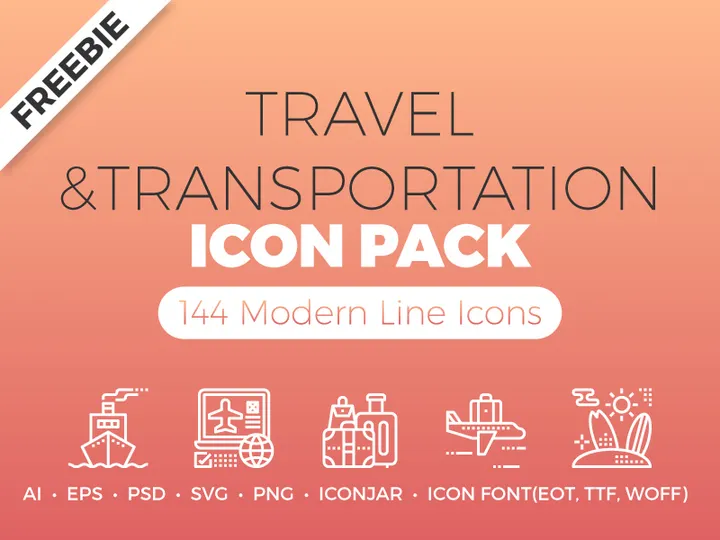
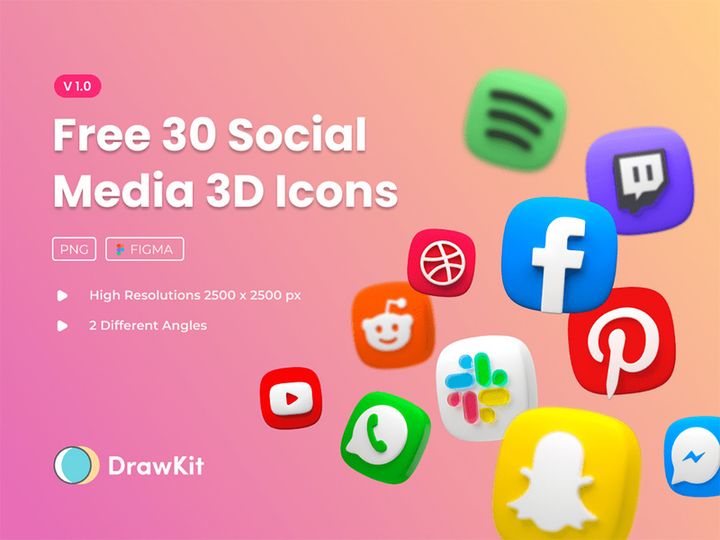
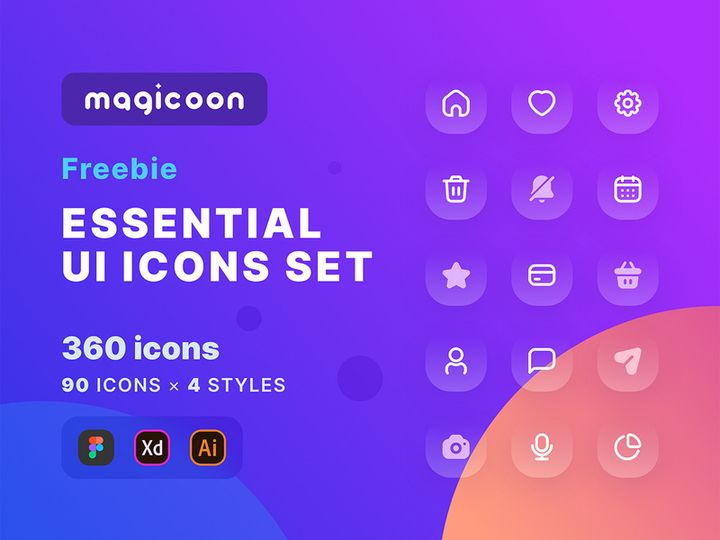
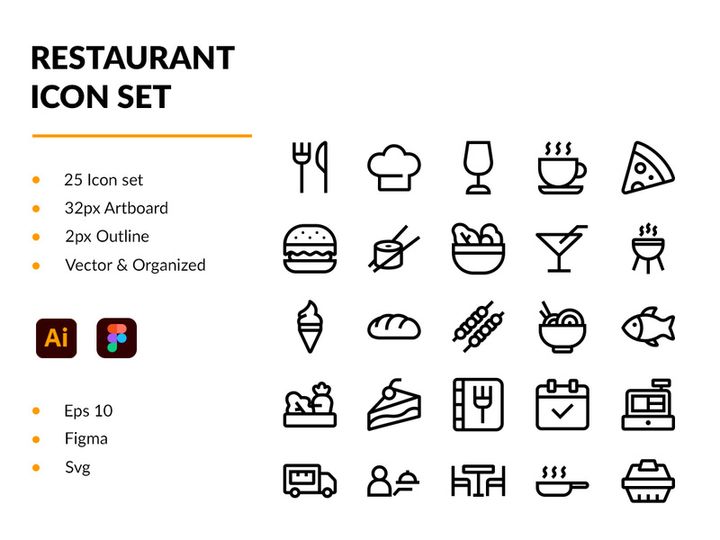
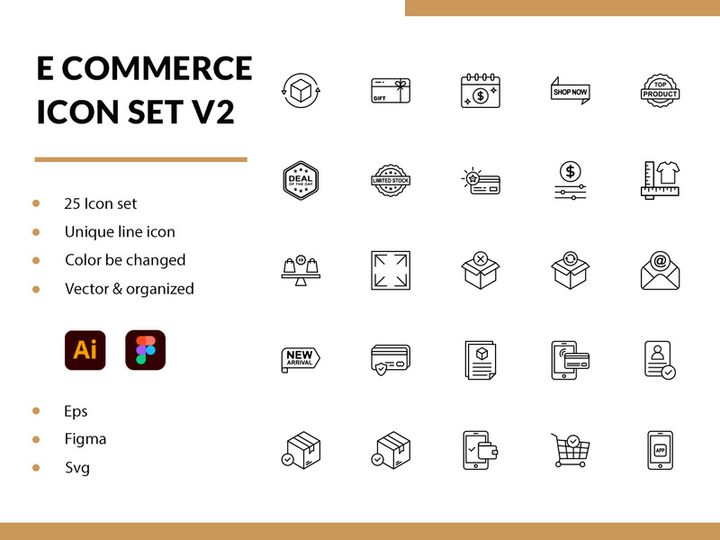
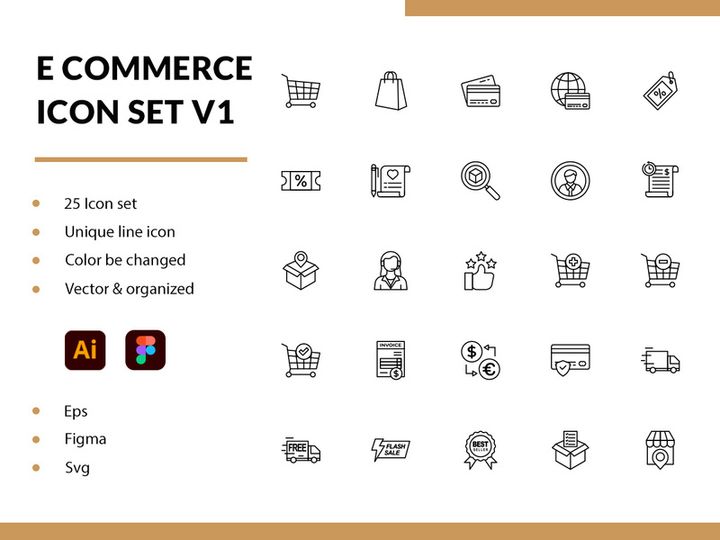
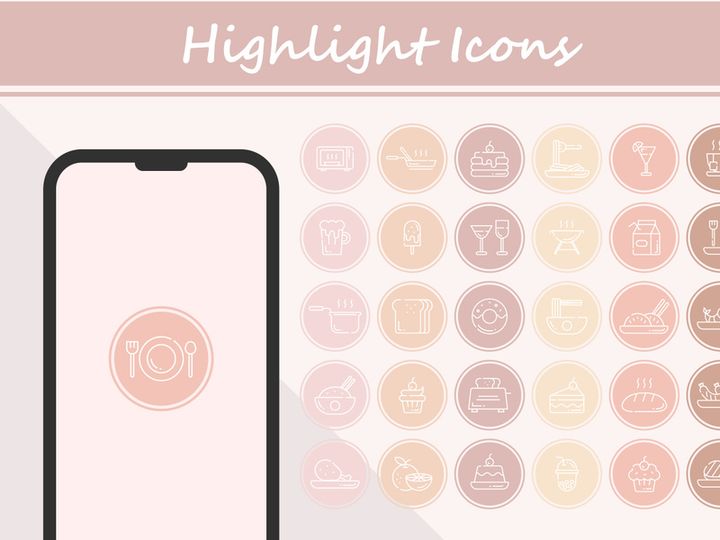
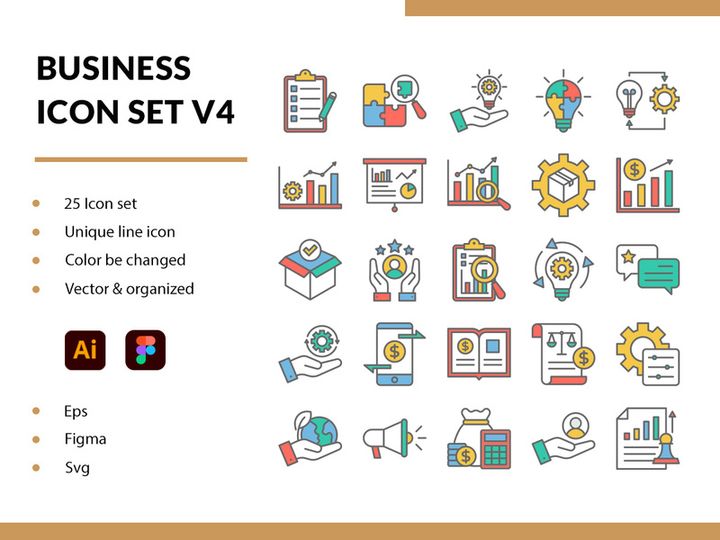
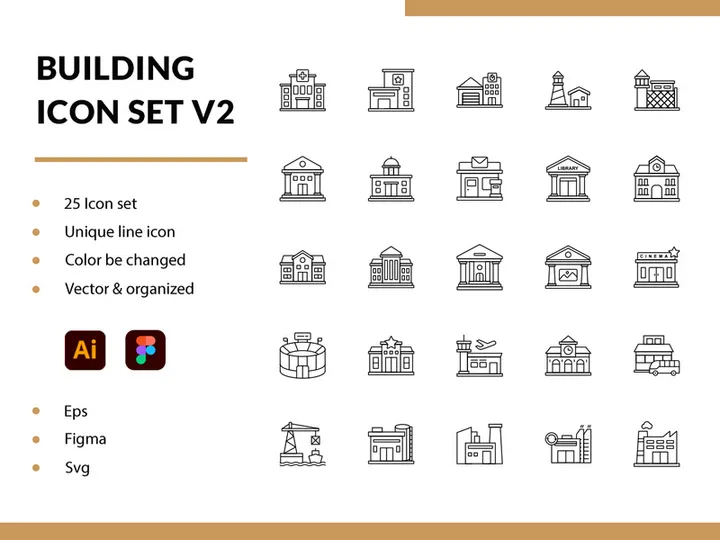
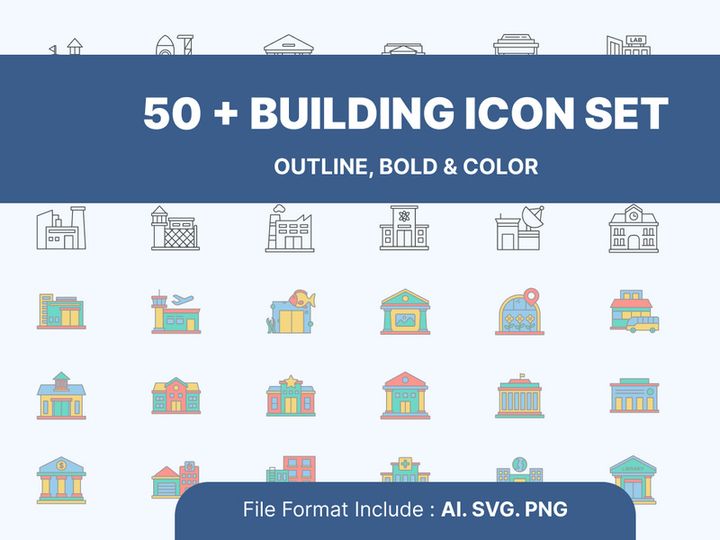
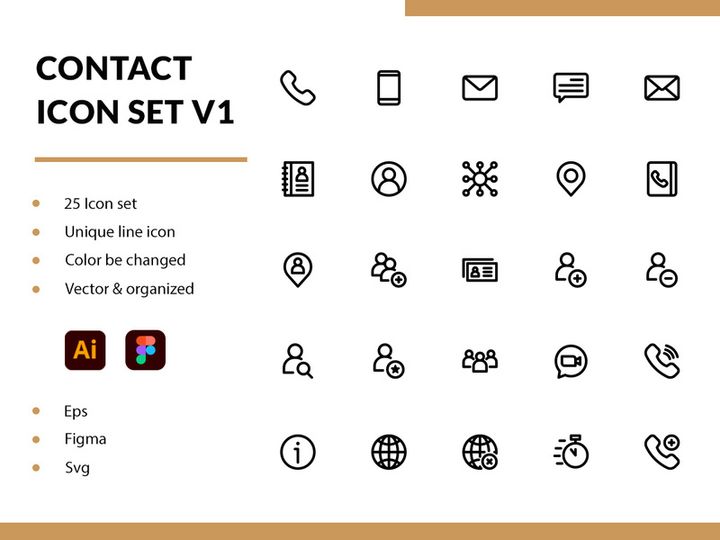


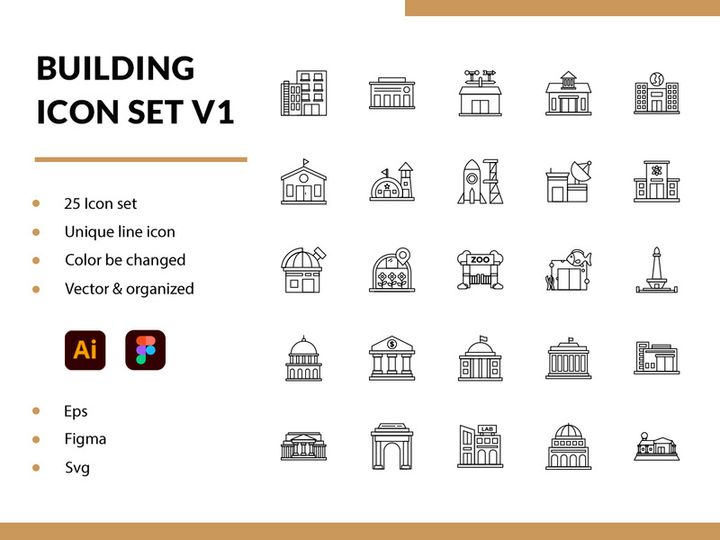
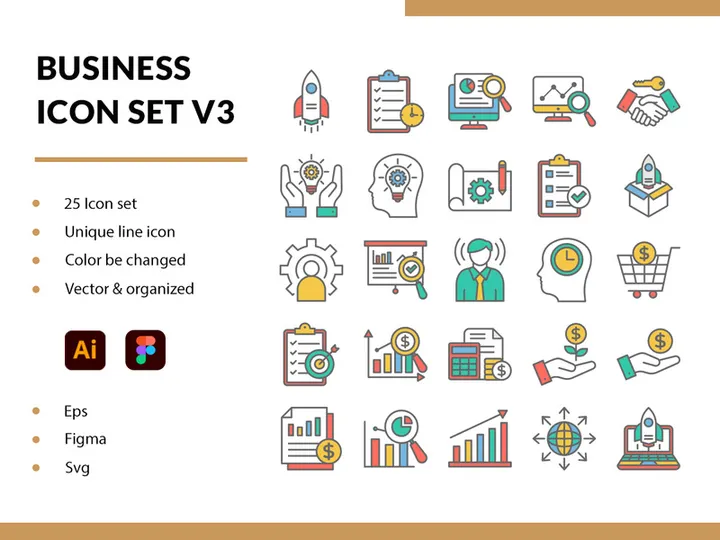
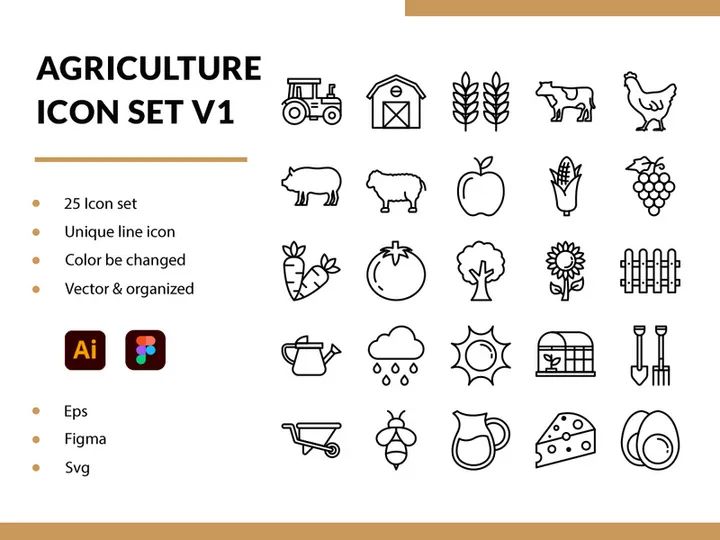
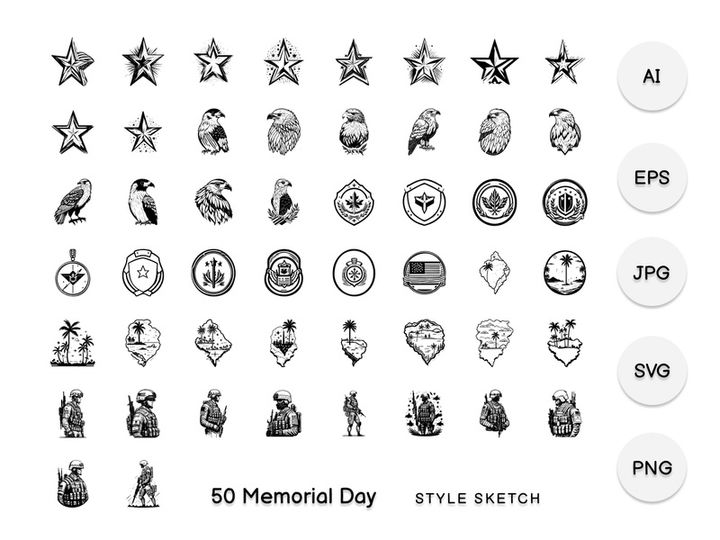
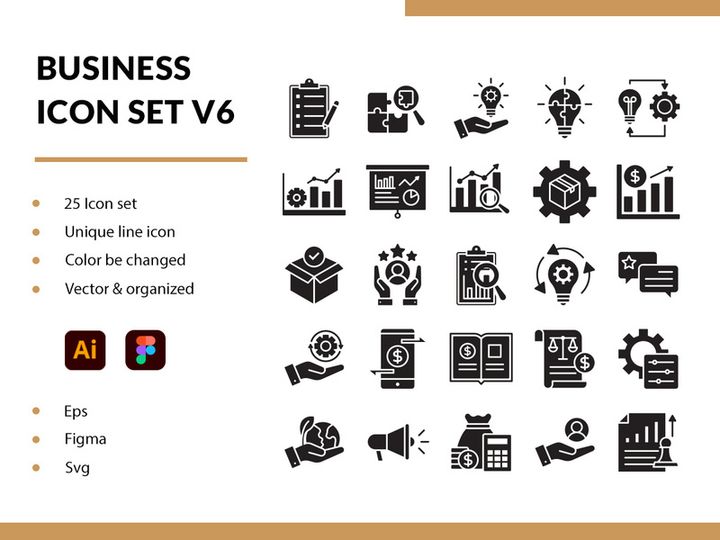
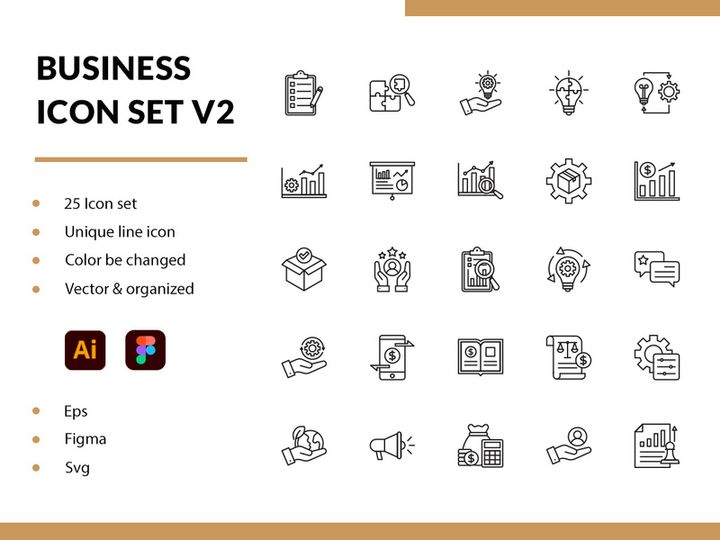
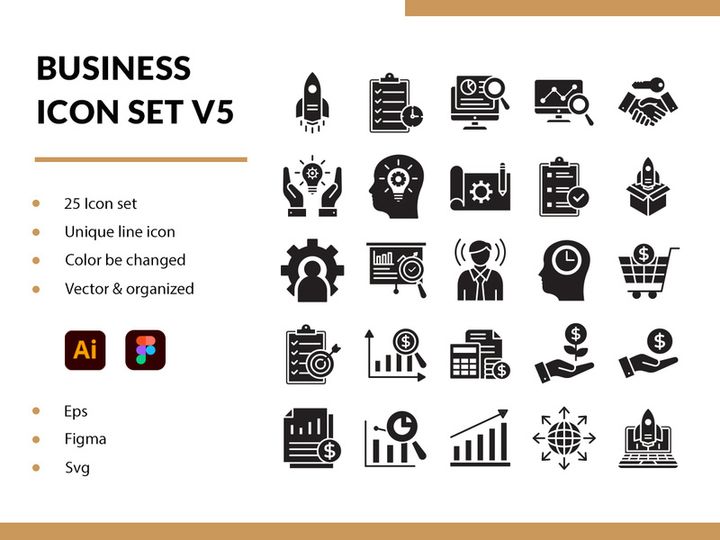
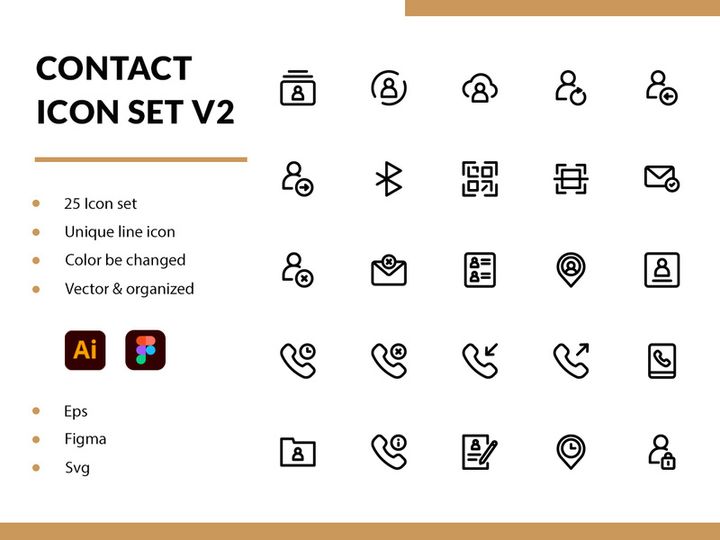
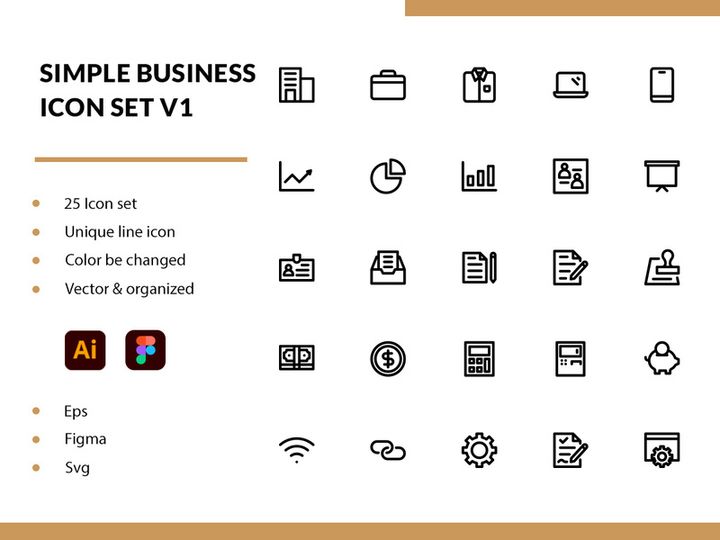
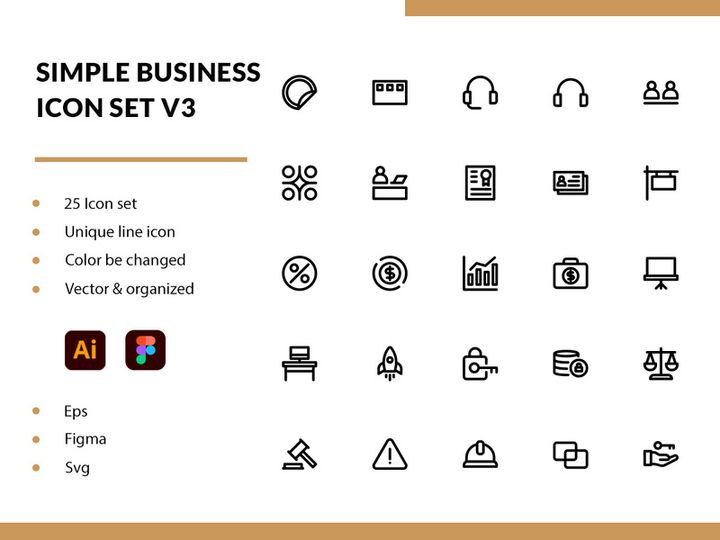
Try Our Free Resources
Download any of these for free - no account required
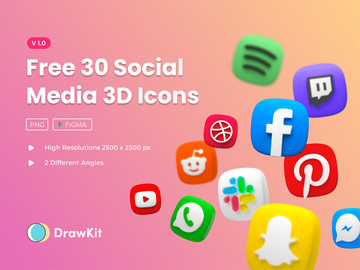
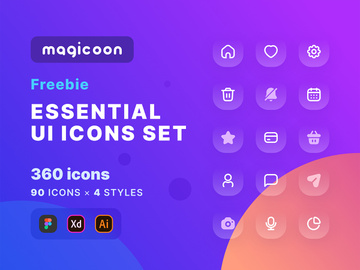
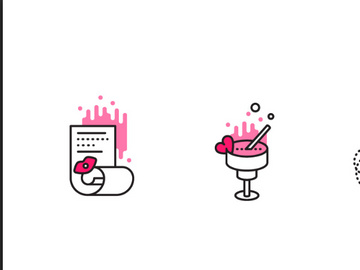
Modern Design Principles
Modern design is more than a visual style—it's a philosophy grounded in clarity, functionality, and minimalism. Emerging from early 20th-century movements like Bauhaus and International Typographic Style, modern design emphasizes purpose over ornamentation. What sets it apart is its focus on clean lines, geometric forms, and a systematic approach to layout and composition. Unlike contemporary trends that often embrace maximalism or nostalgia, modern design strips away excess, allowing essential elements to shine.
At its core, modern design relies on several key visual components. Typography plays a critical role, with sans-serif fonts like Helvetica, Futura, and Neue Haas Grotesk dominating due to their neutrality and legibility. These fonts embody the modern ethos: efficient, timeless, and unobtrusive. Color palettes are typically restrained—often monochromatic or built around high-contrast combinations such as black and white, with occasional bold accents like cobalt blue or fire red. This simplification ensures visual harmony and reinforces message clarity.
Spacing is another hallmark. Generous whitespace isn’t just decorative—it’s functional. It guides the user’s eye, reduces cognitive load, and creates a sense of elegance and order. In modern layouts, every pixel serves a purpose. Imagery and iconography follow suit: flat, two-dimensional, and scalable. Icons are simplified to their most essential forms, using geometric shapes and consistent stroke weights. This ensures they remain effective across devices and screen sizes.
The evolution of modern design mirrors technological progress. From print to digital interfaces, its principles have proven adaptable and enduring. Originally rooted in architecture and industrial design, modernism found new life in web and mobile applications, where usability and speed are paramount. Today’s digital landscape demands clarity and instant comprehension—exactly what modern design delivers. With platforms like EpicPxls offering curated collections of 42+ resources, designers can easily access high-quality modern icons that align with these timeless principles. Whether for websites, apps, or print media, modern design remains a powerful tool for creating visually coherent and user-friendly experiences.
Inspiring Modern Icons Examples
Web & App Design
In digital interfaces, modern icons serve as intuitive navigational aids, enhancing user experience without distracting from core content. Modern web and app design favors minimalist icons that load quickly and scale seamlessly across devices. These icons often feature uniform stroke widths, simplified shapes, and a consistent visual language. For example, a home icon might be rendered as a single-line outline of a roof and door, stripped of shadows or gradients. This simplicity ensures clarity on small screens and supports fast recognition.
Platforms today use modern icons to create cohesive ecosystems. From dashboard menus to mobile tab bars, these visual elements are designed for immediate comprehension. Designers leveraging EpicPxls can access a library of 42+ modern icons tailored for digital use—ensuring consistency in spacing, proportion, and style. Whether it’s a settings cog, a message bubble, or a play button, modern icons in web and app design prioritize function while maintaining aesthetic elegance.
Print & Branding
Modern icons are equally powerful in print and brand identity. Brands aiming for a sleek, professional image often adopt modern design to communicate innovation and reliability. Logos, business cards, and packaging benefit from the clean, structured look of modern iconography. For instance, a tech startup might use abstract geometric icons to represent connectivity or data flow, reinforcing its forward-thinking ethos.
These icons are often paired with bold typography and minimalist layouts to create a strong visual hierarchy. The focus remains on delivering a clear brand message without clutter. With 42+ resources available, designers can select icons that align perfectly with a brand’s tone—whether it’s corporate, creative, or consumer-focused—ensuring visual consistency across both digital and physical touchpoints.
Social Media & Marketing
In the fast-paced world of social media and digital marketing, modern icons help cut through the noise. Infographics, ad creatives, and campaign visuals rely on modern icon sets to convey ideas quickly and memorably. A well-placed icon can replace paragraphs of text, making content more scannable and shareable.
Current trends show a preference for bold, flat icons with subtle animations or duotone effects—especially in Stories and Reels. These modern elements enhance engagement while maintaining a polished, professional appearance. Marketers using EpicPxls can tap into a growing library of 42+ modern icon designs, ensuring their campaigns stay visually aligned with current best practices in digital communication.
How to Apply Modern Style to Your Projects
- Define your design goals: Before selecting icons, clarify the purpose of your project. Are you building a mobile app, rebranding a company, or designing social media content? Understanding the context helps you choose icons that align with your message and audience.
- Choose the right modern icons from EpicPxls: Browse the 42+ resources available to find icons that match your project’s tone. Look for consistency in line weight, shape language, and detail level. A cohesive set ensures visual harmony across your design.
- Maintain visual hierarchy: Use icon size, color, and placement to guide attention. Larger icons can highlight primary actions, while smaller ones support secondary functions. Avoid overcrowding—space is a key element of modern design.
- Customize with care: While you can adjust colors or scale icons, avoid adding gradients, shadows, or excessive details. Customization should enhance, not undermine, the modern aesthetic. Stick to flat fills and clean outlines.
- Pair with modern typography: Select sans-serif fonts that complement your icons. Fonts like Montserrat, Inter, or Plex Sans offer readability and a clean look that aligns with modern principles.
- Test across devices and formats: Ensure your icons remain legible and effective on mobile, desktop, and print. Use vector formats for scalability and crisp rendering at any size. The 42+ resources from EpicPxls are optimized for versatility, making them ideal for multi-platform use.
Modern Pairing Guide
Complementary Styles
Modern design pairs exceptionally well with minimalist, brutalist, and even certain neo-modern interpretations. Minimalism enhances the clean aesthetic by further reducing elements, while brutalism introduces raw textures and asymmetry—creating visual contrast without sacrificing functionality. When combining styles, maintain a consistent grid and alignment to preserve order. Avoid pairing modern icons with overly decorative elements like ornate borders or script fonts, as these can clash with the streamlined look.
For hybrid designs, consider using modern icons as anchors within more expressive layouts. This approach allows creativity to flourish while retaining clarity and usability. The 42+ resources from EpicPxls are designed to integrate smoothly into diverse design systems, offering flexibility without compromising the modern core.
Typography Choices
Typography is a cornerstone of modern design. Opt for sans-serif typefaces with neutral proportions and high legibility. Helvetica remains a classic choice, but newer alternatives like Inter, Roboto, and IBM Plex Sans offer improved digital rendering and character diversity. Avoid serif fonts unless used sparingly for contrast in headlines.
Stick to a limited typographic hierarchy—usually two weights (regular and bold) and no more than two typefaces. This restraint supports the modern principle of simplicity. When pairing text with icons, ensure alignment and spacing are consistent. For example, place icons to the left of labels with uniform padding, creating a clean, predictable rhythm.
Color Palettes
Modern design thrives on intentional color use. Begin with a neutral base—white, light gray, or black—and introduce one or two accent colors for emphasis. Monochromatic schemes using varying shades of a single hue offer elegance and cohesion, while high-contrast combinations (like navy and gold) add visual punch.
Popular modern palettes include: soft earth tones (sage, terracotta, beige), cool grays with electric blue accents, and black-and-white with a pop of red or yellow. Use color sparingly to highlight interactive elements like buttons or icons. Tools like EpicPxls often include color-optimized icon sets, making it easier to maintain harmony across your project.
Modern Icons Trends in 2026
As we move into 2026, modern icon design continues to evolve while staying true to its foundational principles. The demand for accessibility and inclusivity has led to more universally recognizable symbols, with clearer shapes and intuitive metaphors. Designers are refining icons to be more culturally neutral and contextually flexible, ensuring they communicate effectively across global audiences.
One notable trend is the rise of adaptive icon systems—icons that subtly change based on user interaction or environment, such as dark mode switching or dynamic resizing. While still flat and minimalist, these icons incorporate micro-interactions that enhance usability without sacrificing the clean aesthetic. Another development is the integration of AI-assisted design tools that help generate consistent icon sets from a single base style, improving efficiency for large-scale projects.
Modern icons are increasingly used in AI interfaces, smart home apps, and augmented reality environments—spaces where clarity and speed are critical. As screen real estate becomes more fragmented across wearables, foldables, and AR glasses, the need for scalable, instantly recognizable icons grows. The 42+ resources available through EpicPxls reflect these shifts, offering forward-thinking designs that are both functional and future-ready.
Looking ahead, expect modern icons to embrace subtle personalization—allowing users to choose between line and filled variants or adjust stroke weights—while maintaining a cohesive system. Sustainability in design is also emerging as a theme, with brands favoring timeless, reusable assets over disposable visuals. Modern design, with its emphasis on longevity and efficiency, is perfectly positioned to lead this movement. With curated collections and thoughtful updates, platforms like EpicPxls ensure designers have the tools they need to stay ahead of the curve.
Why Download from EpicPxls?
Commercial License
Use in personal and commercial projects
No Account Required
Download free resources instantly
Quality Curated
Every resource is reviewed for quality
Preview Files
See Figma and Photoshop files before downloading
Who Uses These Icons?
Professionals and teams who benefit most from our collection
UI/UX Designers
Speed up your workflow with ready-to-use icons for design tools. Perfect for prototyping and client presentations.
Developers
Get production-ready assets without design skills. Export in any format for web and mobile apps.
Startups & Agencies
Save design budget with affordable premium icons. Commercial license included for client work.
Marketing Teams
Create professional campaigns faster. All icons are optimized for social media and ads.
Icons FAQCommon questions about these resources
Simple, Transparent Pricing
Get unlimited access to all premium resources
Yearly
- 20 downloads per month
- All file formats
- Commercial license
Lifetime
- Unlimited downloads forever
- All file formats
- Commercial license
Ready to Get Started?
Access 4,441+ free design resources today.
Browse Free ResourcesView Premium PlansEarn 85% and
more on all sales
Upload your products and put them up
for sale at whatever price you want.


