Retro Graphics: 390+ Retro Designs
EpicPxls offers 22+ curated graphics, all with a commercial license and editable source files (Figma, Sketch, PSD). Retro graphics are characterized by specific visual elements, typography choices, and color palettes that define the retro aesthetic in design.
Last updated June 13, 2026
Discover 390+ curated retro graphics for your projects.
Trusted by designers at leading companies
Top Graphics
Handpicked resources from our curated collection
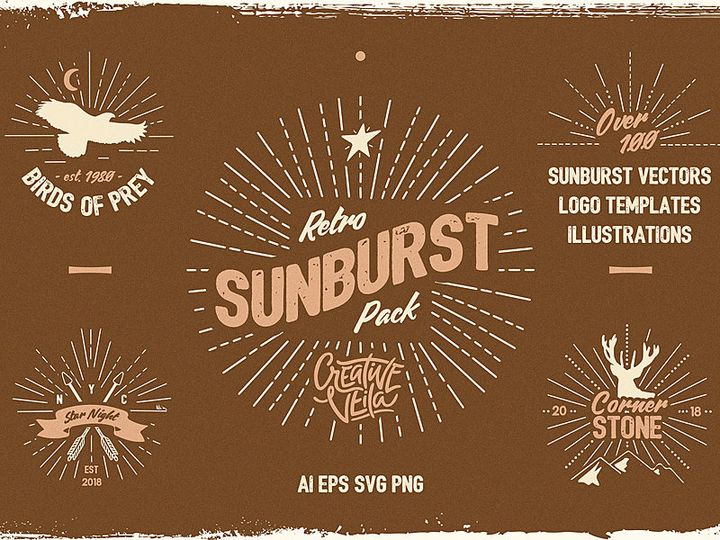
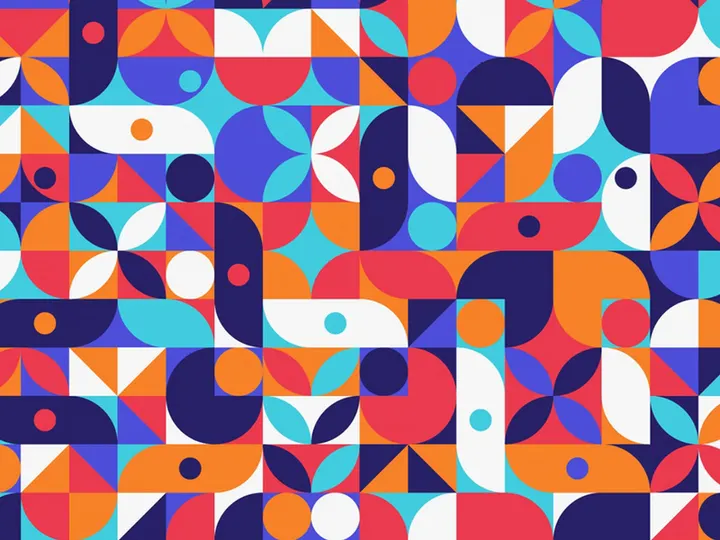
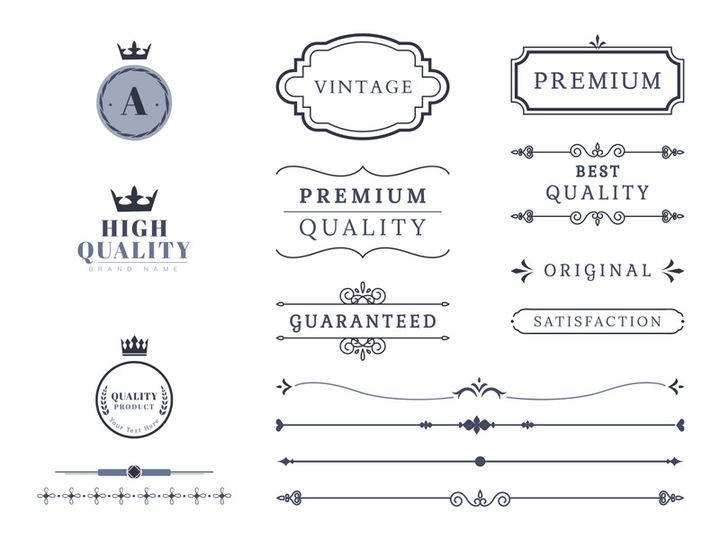
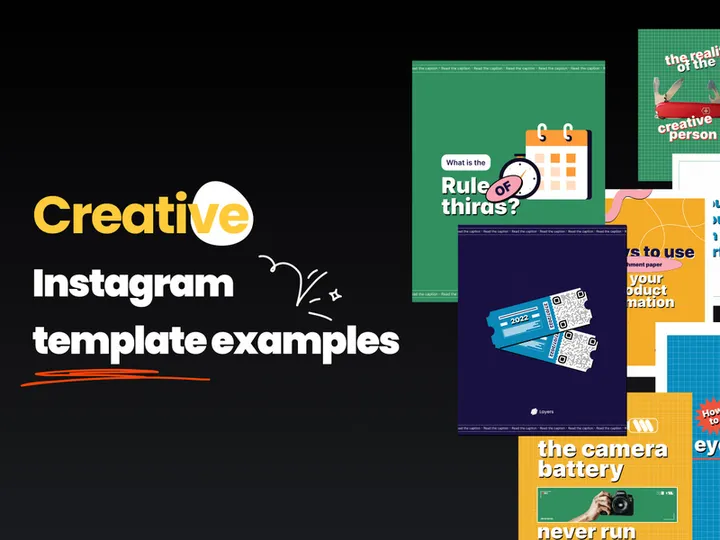
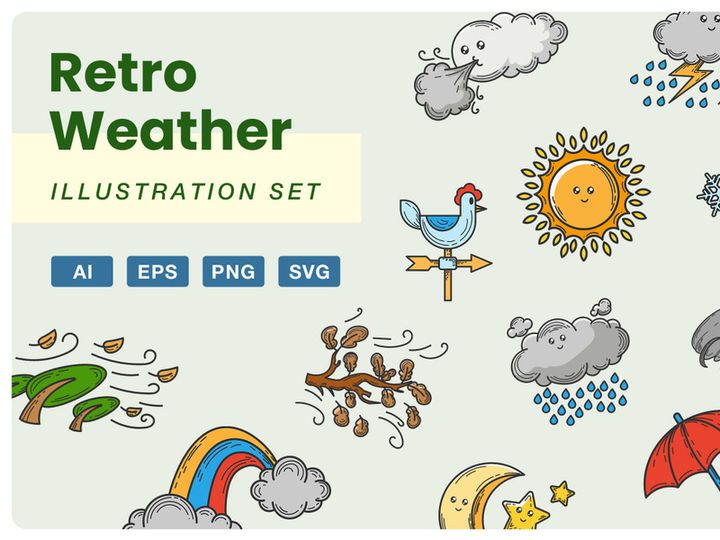
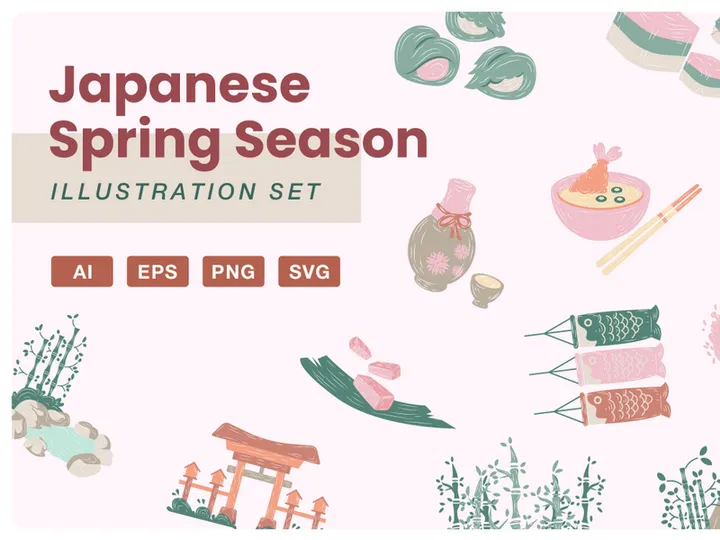


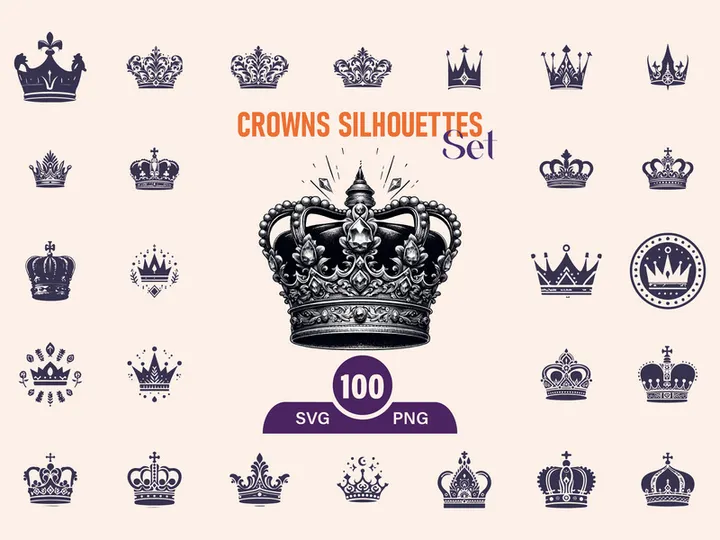


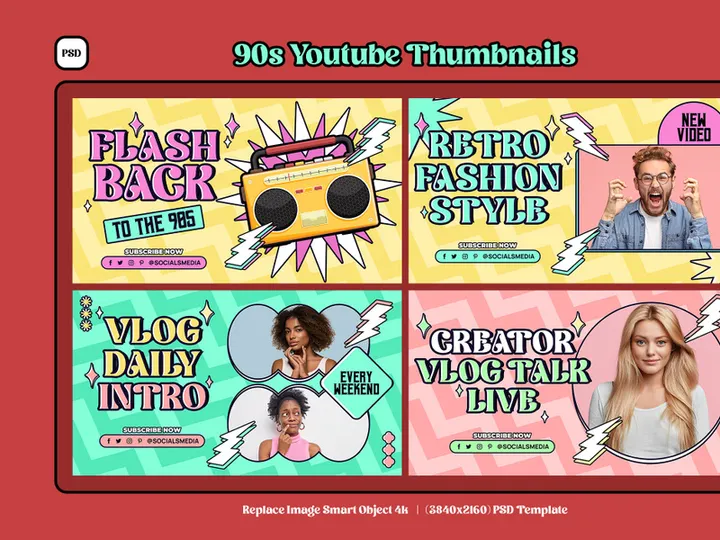
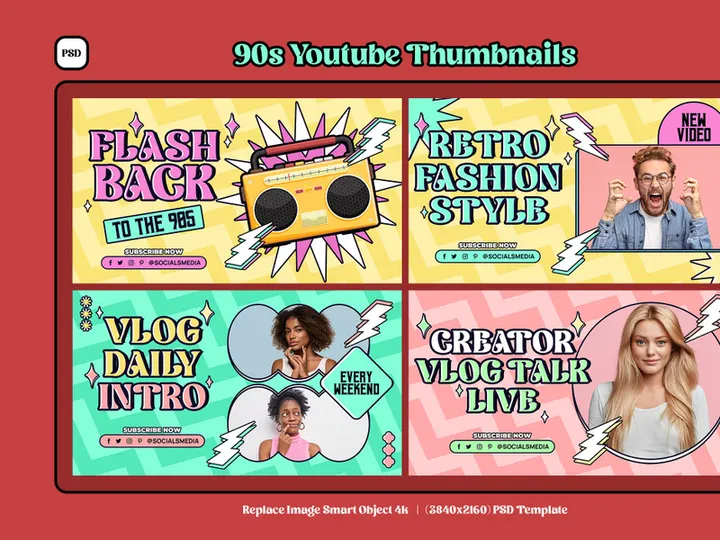
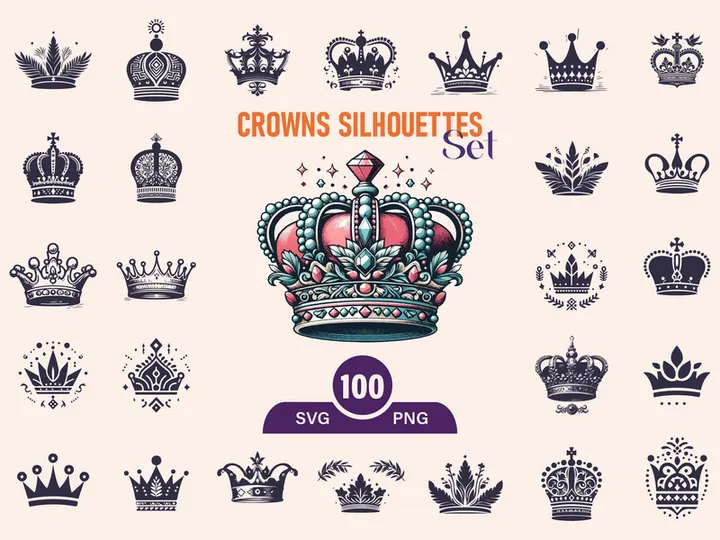
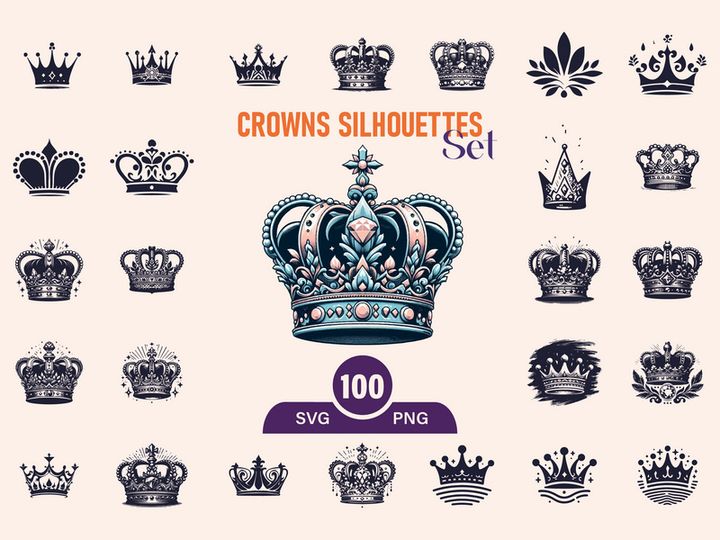
Try Our Free Resources
Download any of these for free - no account required
Retro Design Principles
Retro graphics design captures the visual essence of past decades, reviving the stylistic elements of the 1960s through the 1990s to create nostalgic, bold, and emotionally resonant visuals. What makes retro design distinctive is not simply a rehash of old styles, but a thoughtful reimagining of vintage aesthetics with modern design sensibilities. It’s a celebration of cultural memory, where typography, color, and imagery work in harmony to evoke a sense of familiarity and playfulness.
At the heart of retro design are several core visual elements. Typography plays a pivotal role—think bold, hand-drawn lettering, chunky sans-serifs, or stylized script fonts reminiscent of vintage signage and album covers. These fonts often feature exaggerated strokes, drop shadows, and outlined effects that give them a prominent presence. Color palettes are equally important, favoring high-contrast combinations like mustard yellow and avocado green, or deep oranges paired with teal and brown—colors that reflect the bold, sometimes clashing, choices of mid-century design. Gradients with a grainy texture or halftone patterns also contribute to the authentic retro feel.
Spacing and layout in retro design often embrace asymmetry, overlapping elements, and dynamic compositions that break from modern minimalism. Think of psychedelic concert posters or 1980s arcade flyers—busy, energetic, and full of visual movement. Imagery frequently includes vintage illustrations, distressed textures, geometric patterns, and analog effects like film grain or CRT scan lines, adding depth and authenticity.
The retro aesthetic has evolved from a mere nostalgic throwback into a versatile design language. Rooted in the design trends of the mid-20th century, it gained momentum through the resurgence of vinyl records, vintage fashion, and classic video games. Today, retro design is not about replicating the past, but about reinterpreting it. With access to over 390+ retro designs at EpicPxls, designers can explore a rich archive of authentic styles while infusing them with contemporary relevance. Whether paying homage to the groovy 70s or the pixel-perfect 80s, retro design continues to inspire innovation grounded in timeless visual charm.
Inspiring Retro Graphics Examples
Web & App Design
Retro style has found a vibrant home in modern web and app interfaces, where nostalgic elements enhance user experience and brand personality. Designers are incorporating CRT-style monitors, pixel art, and VHS-inspired animations to create immersive digital experiences. Websites for music labels, gaming platforms, and lifestyle brands often use retro interfaces with glitch effects, neon borders, and animated typography to stand out. The tactile feel of 80s-era computers or 90s web aesthetics—complete with tiled backgrounds and animated GIFs—adds character and memorability. With the 390+ resources available at EpicPxls, designers can seamlessly integrate these retro elements into responsive, user-friendly digital designs that feel both playful and polished.
Print & Branding
In print and branding, retro design communicates authenticity and heritage. Brands aiming to convey a sense of timelessness or artisanal quality often adopt vintage packaging, retro logos, and classic typography. Think of craft breweries using 1970s-inspired labels with ornate borders and earthy tones, or fashion brands channeling 1980s neon aesthetics for limited-edition collections. Retro branding thrives on tactile details—embossing, letterpress textures, and distressed finishes—that evoke the craftsmanship of earlier eras. By selecting the right retro graphics from EpicPxls, designers can craft brand identities that resonate emotionally while maintaining professional appeal.
Social Media & Marketing
Retro trends are flourishing in social media and digital marketing, where nostalgia drives engagement. Campaigns featuring vintage filters, retro color grading, and analog-style animations perform well across platforms like Instagram, TikTok, and YouTube. Brands use retro-inspired reels and stories to tap into generational memories—whether it’s a 90s-themed product launch or a throwback Friday campaign using pixel art. The retro aesthetic’s bold colors and dynamic compositions naturally draw attention in fast-scrolling feeds. Designers leverage curated retro templates and graphics from EpicPxls to create cohesive, on-brand content that feels both timely and timeless.
How to Apply Retro Style to Your Projects
- Choose a specific era – Retro spans decades, so define whether you’re going for 60s psychedelia, 70s funk, 80s synthwave, or 90s grunge. Each has distinct visual cues that guide your design decisions.
- Select retro graphics that match your theme – With over 390+ retro designs at EpicPxls, you can find era-specific patterns, icons, and illustrations that align with your project’s mood and message.
- Apply authentic textures and effects – Incorporate grain, halftone dots, noise overlays, or VHS glitches to give digital designs a tactile, aged look. These subtle details enhance the retro feel without overwhelming the composition.
- Customize while preserving integrity – When adapting templates or graphics from EpicPxls, maintain key retro elements like color balance and typography style. Avoid over-smoothing or modernizing effects that dilute the vintage charm.
- Pair with complementary fonts and colors – Use period-appropriate typefaces and palettes (see Retro Pairing Guide below) to ensure visual harmony. Mismatched elements can break the illusion of authenticity.
- Test across mediums – Ensure your retro design translates well from digital screens to print materials. Adjust contrast and resolution as needed, especially when using distressed or low-fi graphics.
By following these steps and leveraging the diverse collection at EpicPxls, you can create cohesive, impactful designs that honor retro aesthetics while meeting modern standards of clarity and usability.
Retro Pairing Guide
Complementary Styles
Retro design pairs exceptionally well with other tactile and expressive styles. Brutalism, with its raw, unpolished layouts, complements retro’s boldness by amplifying visual impact. Hand-drawn illustrations and collage elements enhance the organic, human touch often associated with vintage design. For digital projects, pairing retro graphics with cyberpunk or synthwave aesthetics creates a futuristic-yet-nostalgic fusion that resonates with tech-savvy audiences. Minimalist retro—where vintage elements are simplified but still recognizable—works well in modern branding, offering a clean yet nostalgic alternative. When combining styles, ensure the retro component remains the focal point, supported rather than overshadowed by its companions.
Typography Choices
Typography is the soul of retro design. For the 1960s, consider groovy scripts with swirling lines and floral embellishments—perfect for music festivals or lifestyle brands. The 1970s favor bold serifs and disco-inspired typefaces with shadow effects and metallic finishes. For 1980s synthwave, pixel fonts and futuristic block letters with neon glows are ideal. The 1990s bring in grunge typography—distressed, uneven, and often hand-stenciled—great for edgy or alternative brands. Avoid overly modern sans-serifs unless used sparingly for contrast. EpicPxls offers a curated selection of retro fonts that capture these era-specific nuances, making it easy to find the perfect typographic match.
Color Palettes
Retro color schemes are rich, saturated, and often daring. The 1960s embraced psychedelic combinations—bright pinks, purples, and electric blues—often in swirling gradients. The 1970s leaned into earth tones: mustard yellow, burnt orange, avocado green, and deep browns, frequently paired with wood textures and plaid patterns. The 1980s exploded with neon: hot pink, cyan, magenta, and electric yellow, often contrasted against black or dark backgrounds for maximum pop. The 1990s introduced grunge palettes: muted greens, rust, and slate gray, reflecting a more rebellious, anti-design ethos. When selecting colors, consider using limited palettes of 3–5 hues to maintain visual coherence. Many of the retro graphics at EpicPxls come with pre-matched color schemes, simplifying the design process while ensuring authenticity.
Retro Graphics Trends in 2026
As we move into 2026, retro graphics design is evolving beyond simple nostalgia into a sophisticated design language that blends analog warmth with digital precision. The trend is no longer about mimicking the past, but about recontextualizing it—melding vintage aesthetics with AI-enhanced effects, 3D rendering, and interactive experiences. Designers are experimenting with neo-retro styles that fuse 80s synthwave with futuristic UI elements, creating interfaces that feel both familiar and innovative. Analog textures like film grain, tape hiss, and CRT flicker are being digitally recreated with stunning realism, adding depth to websites, apps, and digital art.
Retro graphics are being used today in diverse industries—from fashion and music to tech and hospitality. Beverage brands use retro-inspired labels to signal authenticity, while gaming studios adopt pixel art and chiptune audio to appeal to millennial and Gen Z audiences. Social media campaigns increasingly rely on retro filters and throwback content to drive engagement, leveraging emotional connections to past eras. The resurgence of vinyl records and cassette tapes has further fueled this trend, making retro design more culturally relevant than ever.
Looking ahead, the retro trend is shifting toward personalized nostalgia—designs that reflect individual generational memories rather than broad historical periods. We’re seeing more micro-trends, like 2000s Y2K revival with its metallic finishes and bubble letters, or 90s skate culture aesthetics with bold logos and gritty textures. Sustainability is also influencing retro design, as brands use vintage-style packaging to convey eco-friendliness and craftsmanship. With the expansive library of 390+ retro designs at EpicPxls, designers have the tools to explore these emerging directions while staying true to the core principles of retro style. As technology advances, retro design will continue to serve as a bridge between past and future—proving that great design never truly goes out of style.
Why Download from EpicPxls?
Commercial License
Use in personal and commercial projects
No Account Required
Download free resources instantly
Quality Curated
Every resource is reviewed for quality
Preview Files
See Figma and Photoshop files before downloading
Who Uses These Graphics?
Professionals and teams who benefit most from our collection
UI/UX Designers
Speed up your workflow with ready-to-use graphics for design tools. Perfect for prototyping and client presentations.
Developers
Get production-ready assets without design skills. Export in any format for web and mobile apps.
Startups & Agencies
Save design budget with affordable premium graphics. Commercial license included for client work.
Marketing Teams
Create professional campaigns faster. All graphics are optimized for social media and ads.
Graphics FAQCommon questions about these resources
Simple, Transparent Pricing
Get unlimited access to all premium resources
Yearly
- 20 downloads per month
- All file formats
- Commercial license
Lifetime
- Unlimited downloads forever
- All file formats
- Commercial license
Ready to Get Started?
Access 4,441+ free design resources today.
Browse Free ResourcesView Premium PlansEarn 85% and
more on all sales
Upload your products and put them up
for sale at whatever price you want.


