What Is a Font Family? Complete Guide for Designers
EpicPxls offers 3,188+ curated fonts, all with a commercial license. Formats vary by item, and each listing shows its files. A font family is a pre-made design resource that helps designers work faster. Browse 3,188+ font families on EpicPxls for your projects.
Last updated October 16, 2026
Everything you need to know about font families — definition, types, and how to use them.
Trusted by designers at leading companies
Top Fonts
Handpicked resources from our curated collection


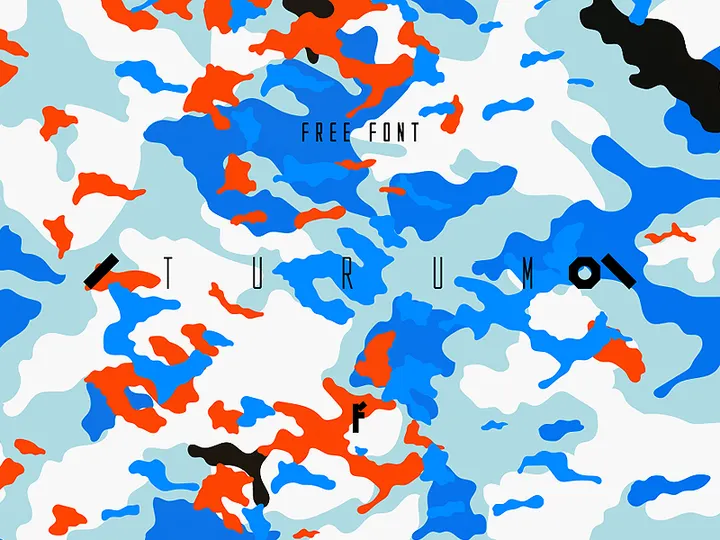
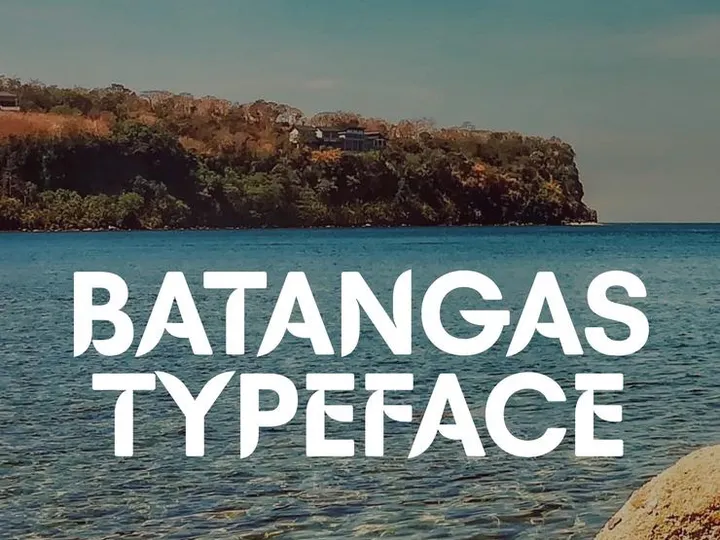


![trap* typeface [Free Font] preview picture](https://imgproxy.epicpxls.com/hKzkURjRg7IrjeJXeBinP1zlKyZGNip0oL6WBJ5Q7T4/rs:fill:720:540:0/g:no/aHR0cHM6Ly9pdGVt/cy5lcGljcHhscy5j/b20vdXBsb2Fkcy9w/aG90by82ZjI5NTk5/NWFhNjIxNzIxNzU4/YWU0NWNkMDg4ZjFk/Nw.jpg)

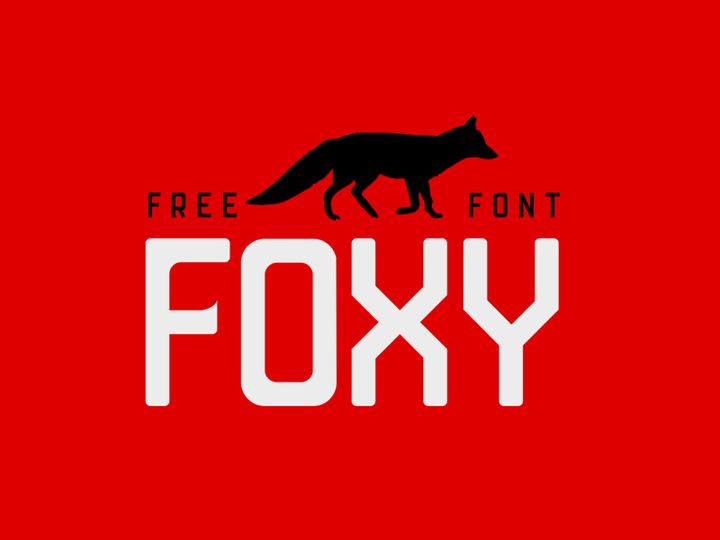
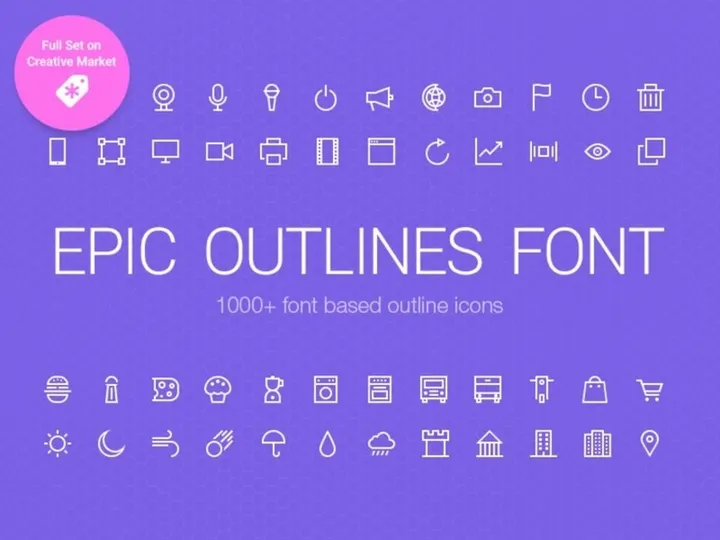






Try Our Free Resources
Download any of these for free - no account required
What Is a Font Family?
A font family is a collection of related typefaces that share a common design yet vary in weight, width, posture, and other stylistic attributes. Think of it as a "typographic toolkit" that includes variations like regular, bold, italic, light, condensed, and more—all stemming from a single, cohesive design foundation. This allows designers to maintain visual harmony across a project while still introducing contrast and hierarchy through different font styles within the same family.
The concept of a font family originated in the era of metal type, where typefounders created coordinated sets of letterforms to support diverse printing needs. As typography evolved—from hot metal to phototypesetting, and eventually to digital fonts—the idea of a unified family expanded. With the rise of desktop publishing and web design, font families became essential for creating responsive, readable, and aesthetically consistent content across multiple platforms and devices.
In modern design, font families are more than just aesthetic choices—they are functional tools that impact readability, accessibility, and user experience. A well-chosen font family ensures consistent branding across marketing materials, websites, apps, and print media. For example, a brand might use the light weight for headlines, regular for body text, and bold for call-to-action buttons—all within the same family—creating a seamless visual narrative.
Font families also streamline design workflows. Instead of juggling multiple unrelated fonts, which can lead to visual clutter and poor hierarchy, designers rely on comprehensive font families to ensure alignment, spacing, and proportions remain cohesive. This efficiency is especially critical in UI/UX design, where consistency enhances usability. With 3,188+ font family resources available through platforms like EpicPxls, designers have instant access to professionally crafted type systems tailored to diverse creative needs.
Furthermore, font families are essential for responsive design. Web designers often use CSS to call different weights or styles from a single font family depending on screen size or user preference, improving load times and performance. In this way, a font family is not just a design asset—it’s a strategic component of digital communication.
Types of Font Families
By Purpose
Font families are often designed with specific applications in mind. Text font families are optimized for readability in long-form content, making them ideal for books, articles, and website body copy. These typically feature open counters, generous x-heights, and balanced stroke contrast. On the other hand, display font families are crafted for headlines, logos, and branding elements. They often include decorative elements, tighter spacing, or exaggerated features that grab attention but may not be suitable for extended reading.
Some font families are versatile, bridging both text and display uses. These are highly valued in branding and web design, where a single family must perform across multiple contexts. For instance, a modern sans-serif font family might include ultra-light weights for elegant headlines and a bold condensed variant for mobile banners—all while maintaining legibility at small sizes.
By Format
The format of a font family affects how it’s delivered and used across platforms. The most common digital formats include OpenType (OTF), TrueType (TTF), and Web Open Font Format (WOFF/WOFF2). OTF is widely preferred for its support of advanced typographic features like ligatures, small caps, and alternate glyphs. TTF is compatible with most systems but offers fewer typographic controls. WOFF and WOFF2 are optimized for web use, providing better compression and faster loading times—critical for performance-driven websites.
Font families may also be delivered as variable fonts, a modern format that consolidates multiple styles (e.g., weight, width, slant) into a single file. This reduces HTTP requests and storage space, making variable font families a powerful choice for responsive web design. Many of the 3,188+ font family resources curated by EpicPxls include variable font options, empowering designers with flexibility and efficiency.
By Complexity
Font families vary in complexity based on the number of included styles and features. A simple font family might include only four styles: regular, italic, bold, and bold italic. These are practical for projects with minimal typographic needs and are often lighter in file size. In contrast, a comprehensive font family can offer 20 or more styles, including multiple weights (from thin to black), widths (condensed, extended), and optical sizes (designed for specific point sizes).
Advanced families may also include stylistic alternates, contextual ligatures, and multilingual support, making them suitable for global branding or editorial design. Designers working on large-scale projects—such as corporate identity systems or publishing platforms—often rely on these rich font families to maintain consistency without sacrificing creative expression. With EpicPxls, access to such high-complexity font families is seamless, ensuring professional-grade typography for every design challenge.
How to Use Font Families in Your Projects
- Define Your Design Goals: Begin by understanding the purpose of your project. Is it a corporate website, a fashion brand logo, or a children’s book? The context determines whether you need a formal serif, a friendly sans-serif, or a decorative display family. Aligning the font family with your project’s tone ensures visual consistency from the start.
- Select a Cohesive Font Family: Choose a family that offers enough stylistic variation to support your hierarchy—headings, subheadings, body text, captions, and buttons. Look for families with at least regular, bold, and italic variants. Premium font families often include nuanced options like medium, semibold, and narrow, giving you greater control over layout and emphasis.
- Test for Readability and Accessibility: Before finalizing your choice, test the font family across devices and screen sizes. Ensure text remains legible at small sizes and in low-light conditions. Check contrast ratios for accessibility compliance (WCAG guidelines), especially if your audience includes users with visual impairments.
- Implement with Consistency: Apply the font family uniformly across all design assets. Use the same family for digital and print materials to reinforce brand identity. In web projects, declare the font family in your CSS using fallbacks (e.g., sans-serif) to ensure rendering even if the preferred font fails to load.
- Leverage Advanced Features: If your font family supports OpenType features—such as ligatures, fractions, or stylistic sets—enable them in design software like Adobe Illustrator or CSS. These subtle enhancements elevate the professionalism of your typography and improve reading flow.
- Optimize for Performance: When using font families on the web, limit the number of loaded styles to reduce page weight. Prioritize WOFF2 formats and consider using font-display: swap in CSS to prevent invisible text during loading. For even greater efficiency, adopt variable fonts, which consolidate multiple styles into one file—many of which are available among the 3,188+ resources at EpicPxls.
By following these steps, designers can harness the full potential of font families to create visually compelling, functional, and accessible designs. Whether you're crafting a mobile app interface or a luxury brand brochure, a well-implemented font family is the backbone of effective communication.
Font Family vs Related Concepts
Understanding the distinction between a font family and related terms like typeface, font, and font stack is crucial for precise communication in design. While often used interchangeably, these concepts have distinct meanings.
A typeface refers to the design of the letterforms themselves—such as Helvetica or Garamond. A font, in traditional typography, is a specific instance of a typeface, such as Helvetica Bold 12pt. In digital design, the term "font" is commonly used to refer to the file containing a particular style. The font family, then, is the overarching group that includes all these variations—regular, bold, italic, etc.—under one named system.
A font stack, meanwhile, is a CSS technique that lists multiple font families in order of preference, ensuring fallback options if the primary font is unavailable. For example: font-family: 'Proxima Nova', 'Helvetica Neue', sans-serif; Here, 'Proxima Nova' is the preferred font family, but the browser will use Helvetica Neue or a default sans-serif if needed.
While alternatives like single-style fonts or image-based text exist, they lack the flexibility and scalability of a true font family. A font family is not a replacement for these concepts but complements them—serving as the foundation upon which font stacks are built and within which individual fonts operate. For designers, mastering this hierarchy means making informed choices that enhance both aesthetics and functionality.
Where to Find Quality Font Families
Finding high-quality font families begins with knowing what to look for. Professional-grade families offer extensive language support, consistent spacing, multiple weights, and clean hinting for screen readability. They are often crafted by experienced type designers and undergo rigorous testing across platforms. Look for families that include OpenType features, variable font options, and proper licensing for your intended use—whether personal, commercial, or web-based.
Platforms like EpicPxls simplify this process by curating 3,188+ font family resources that meet strict quality standards. Each font family is reviewed for design integrity, technical performance, and licensing clarity, ensuring designers can download with confidence. The collection spans classic serifs, modern sans-serifs, handwritten scripts, and experimental display fonts—catering to every creative need.
When choosing between free and premium options, consider long-term value. Free font families can be excellent for prototyping or personal projects, but may lack the polish, support, or licensing clarity required for professional work. Premium font families often include customer support, regular updates, and extended licensing for branding and commercial use. With EpicPxls, both free and premium font families are clearly labeled, making it easy to find the right fit for your budget and project scope. Whether you're designing a startup logo or a multinational campaign, access to 3,188+ vetted resources ensures you’ll never run out of typographic inspiration.
Why Download from EpicPxls?
Commercial License
Use in personal and commercial projects
No Account Required
Download free resources instantly
Quality Curated
Every resource is reviewed for quality
Preview Files
See preview images on each item page before downloading
Who Uses These Fonts?
Professionals and teams who benefit most from our collection
UI/UX Designers
Speed up your workflow with ready-to-use fonts for design tools. Perfect for prototyping and client presentations.
Developers
Get production-ready assets without design skills. Export in any format for web and mobile apps.
Startups & Agencies
Save design budget with affordable premium fonts. Commercial license included.
Marketing Teams
Create professional campaigns faster. All fonts are optimized for social media and ads.
Fonts FAQCommon questions about these resources
Simple, Transparent Pricing
Get unlimited access to all premium resources
Yearly
- 20 downloads per month
- All file formats
- Commercial license
Lifetime
- Unlimited downloads forever
- All file formats
- Commercial license
Earn 85% and
more on all sales
Upload your products and put them up
for sale at whatever price you want.


