Vintage Graphics: 1054+ Vintage Designs
EpicPxls offers 57+ curated graphics, all with a commercial license and editable source files (Figma, Sketch, PSD). Vintage graphics are characterized by specific visual elements, typography choices, and color palettes that define the vintage aesthetic in design.
Last updated February 12, 2026
Discover 1054+ curated vintage graphics for your projects.
Trusted by designers at leading companies
Top Graphics
Handpicked resources from our curated collection
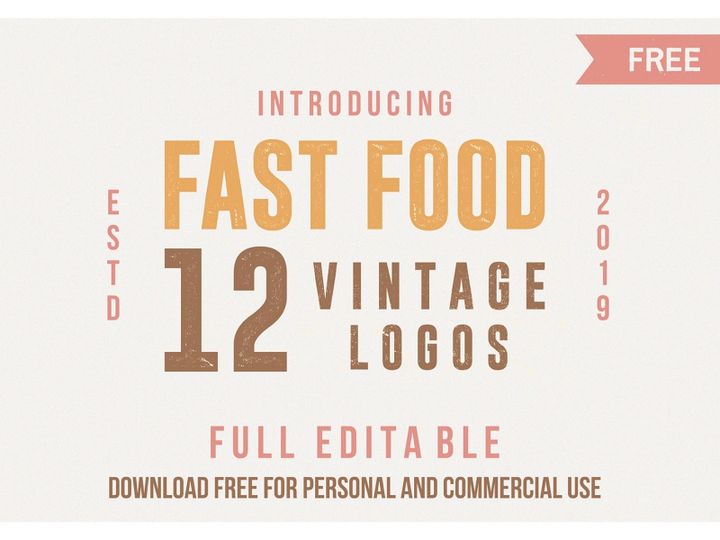

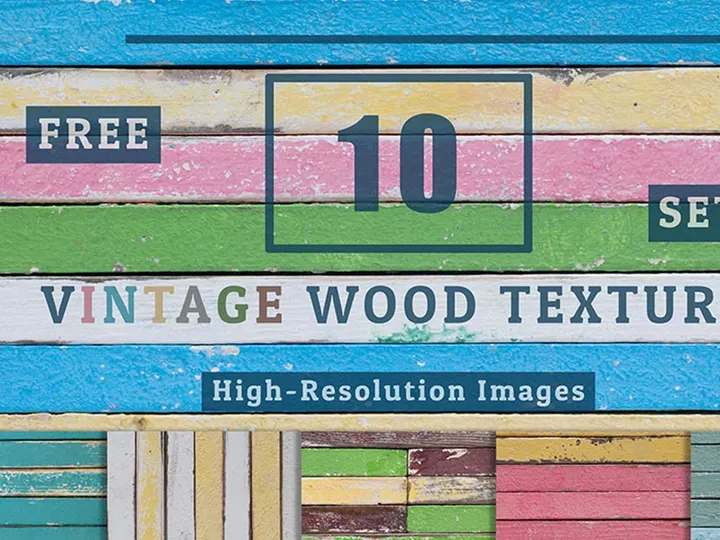


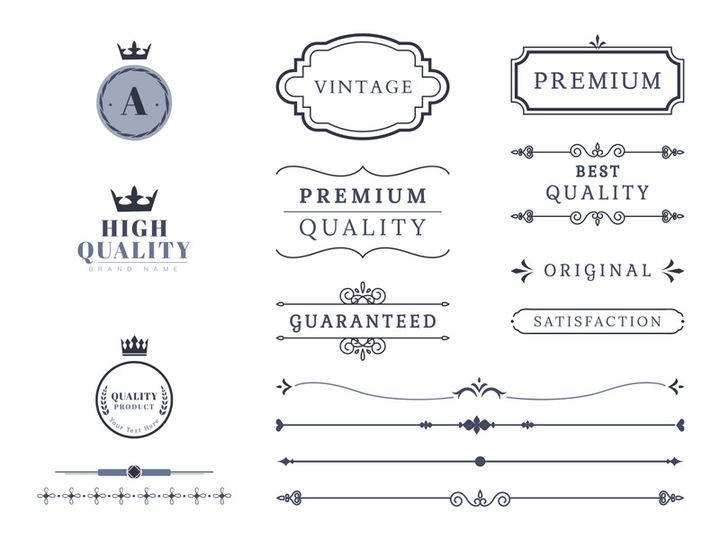


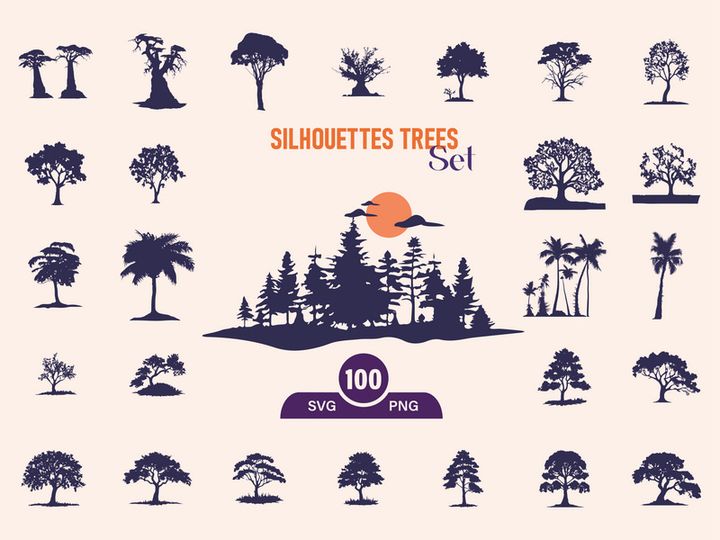






Try Our Free Resources
Download any of these for free - no account required
Vintage Design Principles
Vintage graphic design evokes nostalgia, craftsmanship, and timeless appeal by drawing inspiration from artistic movements and design trends of the past—typically spanning the late 19th century through the 1980s. What makes vintage design distinctive is not just its aged appearance, but its thoughtful integration of period-specific elements that reflect the cultural and technological context of its time. Whether it’s the ornate flourishes of early 20th-century posters or the bold, psychedelic layouts of the 1960s, vintage design communicates authenticity, warmth, and personality in a way that modern minimalism often doesn’t.
At the heart of vintage design are four core visual elements: typography, color palette, spacing, and imagery. Typography in vintage graphics often features hand-drawn lettering, serif fonts with decorative serifs, script styles, or stencil typefaces that reflect printing technologies of the era. Think of the elegant Art Deco fonts of the 1920s or the rugged, condensed fonts used in mid-century travel posters. These typographic choices convey both time period and mood.
Color palettes in vintage design lean toward muted, faded tones—sepia, mustard yellow, olive green, faded reds, and soft blues—often achieved through intentional aging effects like grain, texture overlays, or simulated paper wear. These colors mimic the natural degradation of ink and paper over time, enhancing the nostalgic feel. Spacing and layout play a crucial role as well, with asymmetrical arrangements, generous white space (or aged paper space), and hand-placed elements that avoid the rigid symmetry of modern grids.
Imagery in vintage design frequently includes retro illustrations, halftone patterns, distressed textures, and photographic elements with visible grain or vignetting. These components are often layered to create depth and tactile quality. The evolution of the vintage aesthetic reflects broader design history—from Victorian opulence to mid-century modernism to 1970s psychedelia—each era contributing unique visual languages that designers today can reinterpret. With access to over 1054+ vintage-inspired resources at EpicPxls, creatives can explore this rich visual heritage and apply it meaningfully across modern design projects.
Inspiring Vintage Graphics Examples
Web & App Design
Vintage design has found a dynamic new home in digital spaces. While modern interfaces often favor sleek, minimalist aesthetics, incorporating vintage elements can create a distinctive brand identity that stands out. Websites for craft breweries, specialty coffee shops, or heritage fashion brands often use vintage graphics to convey authenticity and tradition. Think of textured backgrounds that mimic aged paper, retro color overlays, or animated loading icons styled like 1950s pin-up illustrations. Buttons and navigation bars may feature distressed edges or hand-drawn icons, while hover effects subtly emulate ink bleed or paper crinkle.
Print & Branding
Print media remains one of the most powerful canvases for vintage design. From business cards and packaging to posters and labels, vintage-inspired branding taps into emotional resonance. Craft distilleries, artisanal food producers, and independent record stores frequently use vintage design to emphasize heritage and quality. Labels with ornate borders, hand-stamped logos, and letterpress textures suggest a bygone era of craftsmanship. At EpicPxls, you’ll find hundreds of print-ready vintage graphics—from retro labels to classic postcards—that can be seamlessly integrated into branding kits, giving your product a timeless, handcrafted look.
Social Media & Marketing
Social media content thrives on visual storytelling, and vintage design offers a compelling narrative tool. Brands use vintage-style Instagram posts, Facebook banners, and TikTok overlays to create cohesive, retro-themed campaigns. Vintage filters, retro typography animations, and sepia-toned imagery help build a consistent aesthetic that appeals to audiences seeking authenticity. Seasonal campaigns—such as holiday promotions or summer festivals—often draw on 1950s diner motifs or 1970s retro-funk vibes to generate excitement. With 1054+ vintage designs available, EpicPxls empowers marketers to craft engaging, period-accurate visuals that resonate across platforms without sacrificing modern clarity.
How to Apply Vintage Style to Your Projects
- Define your era and purpose: Vintage isn’t a single style—it’s a spectrum. Decide whether you’re aiming for 1920s elegance, 1950s Americana, or 1970s psychedelia. Your choice will guide typography, color, and imagery.
- Choose the right vintage graphics from EpicPxls: With over 1054+ expertly crafted designs, you can filter by decade, theme, or use case to find assets that match your vision—whether it’s a retro badge, a distressed background, or a hand-drawn icon set.
- Preserve authenticity during customization: While editing vintage graphics, avoid over-smoothing or over-sharpening. Maintain grain, texture, and slight imperfections to keep the aged feel intact. Use layer blending modes like Multiply or Overlay to integrate elements naturally.
- Pair vintage typography carefully: Select fonts that align with your chosen era. For example, use Art Deco-inspired serifs for 1920s themes or bold sans-serifs for 1960s modernism. Avoid pairing vintage fonts with ultra-modern typefaces unless done intentionally for contrast.
- Adjust colors thoughtfully: Convert or overlay your color palette to reflect vintage tones—think warm browns, faded teals, or dusty pinks. Desaturate slightly and add subtle noise or texture to mimic aged printing.
- Test across mediums: Ensure your vintage design remains legible and impactful whether viewed on a mobile screen, printed on packaging, or shared on social media. Some textures may need adjustment for digital clarity, while print may require higher resolution and CMYK optimization.
By following these steps and leveraging the curated collection at EpicPxls, you can create vintage-inspired projects that feel both authentic and contemporary, blending the best of the past with modern design needs.
Vintage Pairing Guide
Complementary Styles
Vintage design doesn’t have to stand alone—it pairs beautifully with several modern and traditional aesthetics when balanced correctly. One of the most effective pairings is vintage with minimalism, where a single vintage element—like a retro badge or ornate monogram—anchors an otherwise clean layout. This contrast highlights the vintage piece while maintaining readability. Another strong combination is vintage with rustic or handmade themes, especially in packaging for organic products, where kraft paper textures, twine motifs, and hand-lettered labels enhance the nostalgic feel. For digital projects, blending vintage graphics with modern geometric shapes or subtle gradients can create a fresh, hybrid style that feels both retro and current. Even industrial design—with exposed metals and concrete textures—complements vintage, particularly mid-century pieces, by echoing the utilitarian charm of past eras.
Typography Choices
Typography is central to achieving an authentic vintage look. For early 20th-century themes, consider Art Deco fonts like Bickham Script or League Gothic, which feature sharp angles and elegant flourishes. The 1940s and 1950s favor serif fonts with high contrast and decorative swashes, reminiscent of wartime posters and travel brochures. Mid-century modern designs benefit from geometric sans-serifs or condensed typefaces popular in advertising of the 1960s. For 1970s funk and disco vibes, bold, bubbly lettering with shadow effects or rainbow gradients adds instant retro flair. Hand-drawn and chalkboard-style fonts work well for casual, nostalgic branding like cafes or boutiques. When selecting typefaces, always ensure readability—especially in digital formats—and avoid overloading your design with multiple decorative fonts.
Color Palettes
The right color scheme can instantly transport a design to another era. Classic vintage palettes often include sepia, mustard yellow, olive green, brick red, and navy blue. These tones mimic the natural fading of dyes and inks over time. For 1920s–1930s elegance, combine black, cream, and gold for a luxurious Art Deco feel. The 1950s shine with pastel pinks, turquoises, and mint greens, evoking diners and drive-ins. The 1970s bring earthy browns, burnt orange, avocado green, and deep purples, perfect for bohemian or psychedelic designs. To enhance authenticity, apply subtle grain or texture overlays that slightly desaturate colors and create a lived-in look. At EpicPxls, many vintage graphics come pre-optimized with era-specific color grading, making it easier to maintain consistency across your project’s visual language.
Vintage Graphics Trends in 2026
As we move into 2026, vintage graphic design continues to evolve beyond simple nostalgia, becoming a sophisticated tool for storytelling and brand differentiation. Designers are no longer just replicating old styles—they’re reinterpreting them with modern tools, creating hybrid aesthetics that honor the past while embracing contemporary functionality. One of the most notable trends is the rise of “neo-vintage” design, where classic elements like retro typography and halftone patterns are combined with bold modern layouts, vibrant accent colors, and digital animation. This fusion keeps vintage relevant in fast-paced digital environments like apps, websites, and social media.
Another growing trend is the use of sustainable and heritage branding, where companies emphasize craftsmanship, longevity, and ethical production. Vintage design naturally aligns with this message, evoking a sense of timelessness and care. Brands in fashion, food, and beverage industries are increasingly turning to vintage-inspired packaging and marketing to communicate authenticity in an age of mass production. Digitally, we’re seeing more interactive vintage experiences—such as websites that mimic old television interfaces or mobile apps with CRT screen effects—adding playful, immersive layers to user engagement.
Moreover, AI-assisted design tools are making it easier to age graphics realistically, apply period-accurate textures, and generate custom vintage illustrations. However, the demand for hand-curated, high-quality vintage assets remains strong. That’s where curated libraries like EpicPxls shine, offering 1054+ professionally designed vintage graphics that balance authenticity with usability. These resources empower designers to stay ahead of the curve, blending historical richness with modern innovation. As the line between past and present blurs, vintage design is not just surviving—it’s thriving, proving that great aesthetics truly are timeless.
Why Download from EpicPxls?
Commercial License
Use in personal and commercial projects
No Account Required
Download free resources instantly
Quality Curated
Every resource is reviewed for quality
Preview Files
See Figma and Photoshop files before downloading
Who Uses These Graphics?
Professionals and teams who benefit most from our collection
UI/UX Designers
Speed up your workflow with ready-to-use graphics for design tools. Perfect for prototyping and client presentations.
Developers
Get production-ready assets without design skills. Export in any format for web and mobile apps.
Startups & Agencies
Save design budget with affordable premium graphics. Commercial license included for client work.
Marketing Teams
Create professional campaigns faster. All graphics are optimized for social media and ads.
Graphics FAQCommon questions about these resources
Simple, Transparent Pricing
Get unlimited access to all premium resources
Yearly
- 20 downloads per month
- All file formats
- Commercial license
Lifetime
- Unlimited downloads forever
- All file formats
- Commercial license
Ready to Get Started?
Access 4,441+ free design resources today.
Browse Free ResourcesView Premium PlansEarn 85% and
more on all sales
Upload your products and put them up
for sale at whatever price you want.


