Minimalist UI Kits: 58+ Minimalist Designs
EpicPxls offers 58+ curated ui kits, all with a commercial license and editable source files (Figma, Sketch, PSD). Minimalist ui kits are characterized by specific visual elements, typography choices, and color palettes that define the minimalist aesthetic in design.
Last updated February 12, 2026
Discover 58+ curated minimalist ui kits for your projects.
Trusted by designers at leading companies
Top UI Kits
Handpicked resources from our curated collection
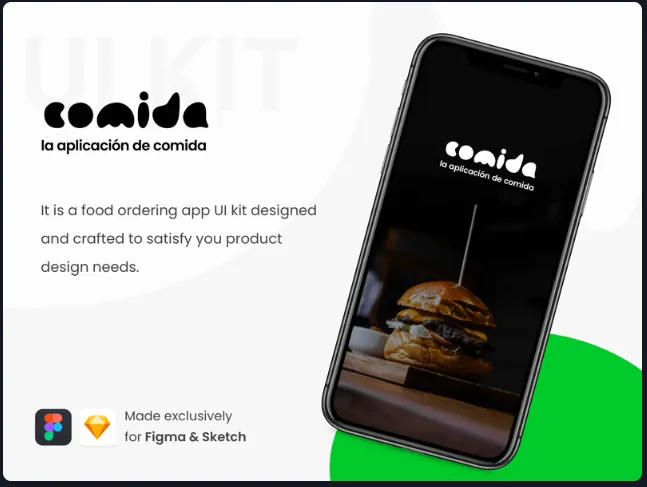


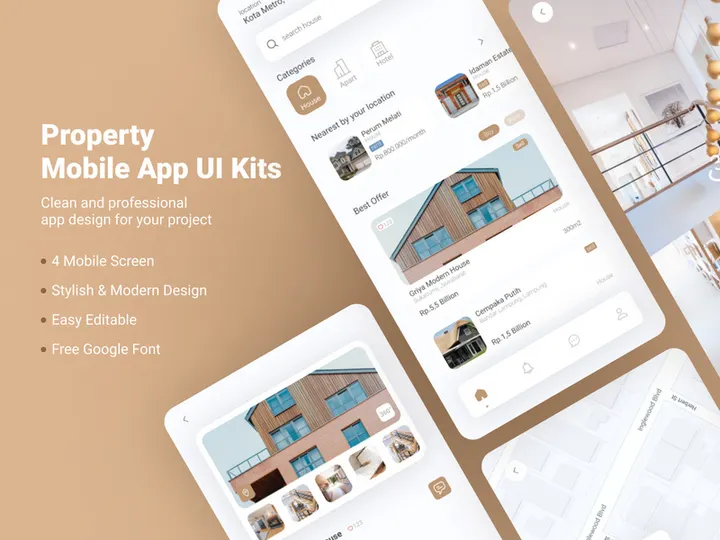

![Covid 19 Onboarding [Free] preview picture](https://imgproxy.epicpxls.com/Xlhq29yDe0GIUBGCQE8jdBSsOsxLp22EzXseUR5lM6c/rs:fill:720:540:0/g:no/aHR0cHM6Ly9pdGVt/cy5lcGljcHhscy5j/b20vdXBsb2Fkcy9w/aG90by8yNjYwZWFl/NDY4YWI3NDJmYWQ1/NTZlMmM3ODQwMmE5/Mg.jpg)
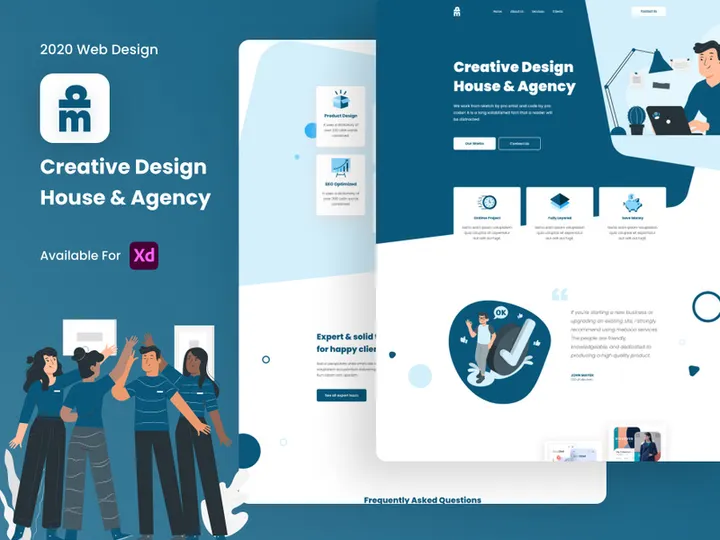
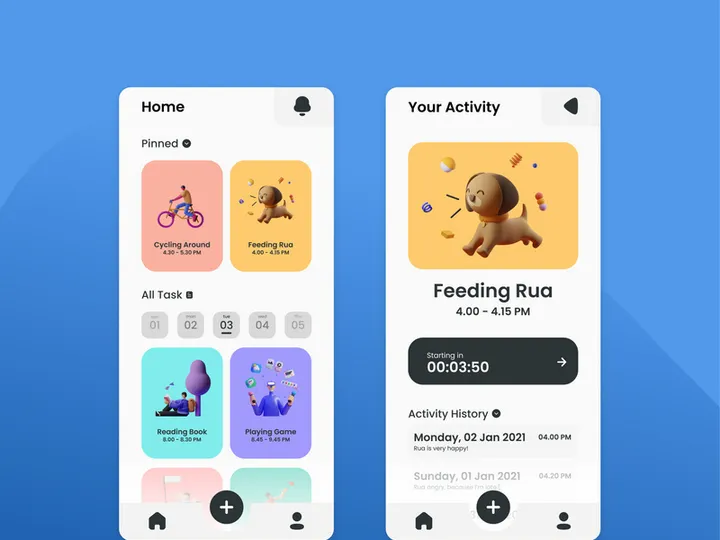




Try Our Free Resources
Download any of these for free - no account required
![Covid 19 Onboarding [Free]](https://items.epicpxls.com/uploads/photo/654364879f9f760ffc1a30ee8cfae7f8)
Minimalist Design Principles
Minimalist design is rooted in the philosophy of "less is more," emphasizing clarity, functionality, and intentional simplicity. This design approach strips away unnecessary elements, focusing instead on essential components that enhance usability and user experience. What makes minimalist design distinctive is its deliberate restraint—every color, line, shape, and word serves a purpose. The absence of clutter allows users to focus on core content, making minimalist interfaces both visually appealing and highly effective.
At the heart of minimalist design are four core visual elements: typography, color palette, spacing, and imagery. Typography takes center stage, often featuring clean, sans-serif fonts that convey modernity and legibility. Limited color palettes—typically monochromatic or neutral with a single accent color—create visual harmony and reduce cognitive load. Generous whitespace, or negative space, is not merely empty; it’s a powerful design tool that enhances readability, creates balance, and directs attention. Imagery, when used, is purposeful and high-quality, often serving as a subtle accent rather than a dominant feature.
The minimalist aesthetic has deep historical roots, emerging in the mid-20th century from movements like Bauhaus and Japanese design, both of which championed simplicity and functionality. Over time, minimalism evolved through modernist architecture and Scandinavian design before making its way into digital spaces. In the early 2000s, brands like Apple helped popularize minimalist design in tech, setting a precedent for sleek, intuitive interfaces. Today, minimalist design continues to influence digital and physical experiences, offering a timeless and adaptable framework for visual communication. With 58+ resources available, designers can explore a wide range of minimalist expressions, from subtle elegance to bold simplicity, all while maintaining core design integrity.
Inspiring Minimalist UI Kits Examples
Web & App Design
Minimalist style translates exceptionally well to digital interfaces, where user experience is paramount. In web and app design, minimalist UI kits prioritize intuitive navigation, fast load times, and visual clarity. By removing redundant graphics and decorative elements, these interfaces allow users to focus on functionality—whether it's completing a purchase, reading content, or interacting with a dashboard. Clean layouts, flat icons, and subtle animations contribute to a streamlined experience. Designers often use minimal color schemes and high-contrast typography to guide user attention efficiently. Many of the 58+ minimalist UI kits available are optimized for responsiveness, ensuring seamless performance across devices.
Print & Branding
Minimalist principles are equally powerful in print and branding, where clarity and memorability are key. Brand identities that embrace minimalism—such as simple logos, understated packaging, and elegant business cards—often project professionalism and sophistication. By using limited color palettes and clean typography, brands can create a cohesive visual language that communicates trust and modernity. Minimalist branding avoids visual noise, allowing the brand message to stand out. From startup business cards to high-end product packaging, minimalist design ensures longevity and adaptability across various mediums.
Social Media & Marketing
In the fast-paced world of social media and digital marketing, minimalist content cuts through the clutter. Minimalist graphics, story templates, and ad designs use concise messaging and clean layouts to capture attention quickly. Platforms like Instagram and LinkedIn favor visuals that are easy to digest, making minimalist designs ideal for engagement. Subtle gradients, muted tones, and strategic use of whitespace help content appear polished and professional. With tools like those from EpicPxls, marketers can leverage minimalist UI kits to create cohesive campaigns that resonate with modern audiences seeking authenticity and clarity.
How to Apply Minimalist Style to Your Projects
- Start with purpose: Define the primary goal of your design. Every element should support this objective—remove anything that doesn’t.
- Choose the right minimalist UI kits from EpicPxls that align with your project’s tone and functionality. Look for kits with modular components that allow flexibility without sacrificing simplicity.
- Focus on hierarchy: Use typography and spacing to guide the user’s eye. Larger fonts for headlines, ample margins, and consistent alignment enhance readability and flow.
- Customize with restraint: When modifying UI elements, avoid adding decorative effects like heavy shadows or ornate borders. Instead, tweak colors or spacing to maintain a clean aesthetic.
- Prioritize usability: Ensure buttons, menus, and calls to action are intuitive. Minimalism should never compromise functionality—clarity is key.
- Test across devices: Verify that your minimalist design remains effective on mobile, tablet, and desktop. Simplicity should enhance, not hinder, accessibility.
By following these steps, you can create designs that are not only visually appealing but also highly functional. Whether you're building a website, branding a startup, or launching a marketing campaign, minimalist UI kits offer a reliable foundation. With over 58+ resources to choose from, including versatile options from EpicPxls, you can find the perfect balance between elegance and efficiency.
Minimalist Pairing Guide
Complementary Styles
While minimalist design stands strong on its own, it pairs beautifully with several other aesthetics. One of the most effective combinations is with brutalism, where raw structural elements contrast with minimalist precision, creating dynamic visual tension. Another excellent match is scandinavian design, which shares minimalist values of simplicity, functionality, and natural materials. In digital contexts, minimalist interfaces often blend seamlessly with dark mode themes, enhancing focus and reducing eye strain. Additionally, minimalist design complements typographic-centric layouts, where expressive fonts become the focal point without overwhelming the composition. These pairings allow designers to add depth and character while preserving the core minimalist ethos.
Typography Choices
Typography is a cornerstone of minimalist design. Sans-serif fonts like Helvetica, Inter, Roboto, and Montserrat are widely favored for their clean lines and readability. These typefaces offer versatility across headings, body text, and UI components. For a more distinctive look, consider neutral serif fonts like Charter or Lyon, which add subtle elegance without clutter. Limit your font selection to one or two families to maintain consistency. Use weight variations—light, regular, bold—instead of multiple fonts to create hierarchy. When selecting from minimalist UI kits, ensure the included typography supports scalability and legibility across devices.
Color Palettes
Minimalist color schemes rely on restraint and intentionality. Neutral palettes featuring white, gray, black, and beige form the foundation, offering timeless sophistication. To add visual interest, introduce a single accent color—such as deep navy, terracotta, or forest green—in small, strategic doses. Monochromatic schemes, using varying tones of one color, also work well for creating subtle depth. For digital interfaces, consider soft pastels or muted earth tones that reduce glare and enhance user comfort. Avoid gradients and overly saturated hues unless used sparingly. The best minimalist UI kits, including those from EpicPxls, provide pre-defined color systems that ensure harmony and ease of application across your project.
Minimalist UI Kits Trends in 2026
As we move into 2026, minimalist design continues to evolve, adapting to new technologies and user expectations. The core principles of simplicity and functionality remain intact, but the aesthetic is becoming more dynamic and expressive. One notable trend is the integration of micro-interactions—subtle animations that enhance usability without disrupting the clean interface. These small motions, like a button hover effect or a smooth transition, add personality while preserving minimalism’s essence. Another emerging shift is the use of organic shapes and soft corners in UI components, moving away from rigid geometry to create a warmer, more human feel.
Minimalist UI kits are being used more strategically across industries—from fintech dashboards to wellness apps—where clarity and trust are crucial. Designers are favoring modular, component-based kits that allow for rapid prototyping and consistent branding. Accessibility is also gaining prominence, with minimalist kits incorporating high-contrast modes, scalable typography, and screen-reader-friendly structures. Sustainability in design is another growing focus, with minimalist aesthetics aligning well with eco-conscious branding that values transparency and honesty.
Looking ahead, the trend points toward adaptive minimalism—designs that respond intelligently to user behavior and context. AI-powered customization will enable minimalist interfaces to remain simple while delivering personalized experiences. With 58+ resources available, including thoughtfully curated kits from EpicPxls, designers have the tools to stay ahead of the curve. Minimalism is no longer just a style—it’s a mindset focused on purpose, performance, and lasting impact in an increasingly complex digital world.
Why Download from EpicPxls?
Commercial License
Use in personal and commercial projects
No Account Required
Download free resources instantly
Quality Curated
Every resource is reviewed for quality
Preview Files
See Figma and Photoshop files before downloading
Who Uses These Ui Kits?
Professionals and teams who benefit most from our collection
UI/UX Designers
Speed up your workflow with ready-to-use ui kits for design tools. Perfect for prototyping and client presentations.
Developers
Get production-ready assets without design skills. Export in any format for web and mobile apps.
Startups & Agencies
Save design budget with affordable premium ui kits. Commercial license included for client work.
Marketing Teams
Create professional campaigns faster. All ui kits are optimized for social media and ads.
UI Kits FAQCommon questions about these resources
Simple, Transparent Pricing
Get unlimited access to all premium resources
Yearly
- 20 downloads per month
- All file formats
- Commercial license
Lifetime
- Unlimited downloads forever
- All file formats
- Commercial license
Ready to Get Started?
Access 4,441+ free design resources today.
Browse Free ResourcesView Premium PlansEarn 85% and
more on all sales
Upload your products and put them up
for sale at whatever price you want.


