Modern UI Kits: 175+ Modern Designs
EpicPxls offers 176+ curated ui kits, all with a commercial license and editable source files (Figma, Sketch, PSD). Modern ui kits are characterized by specific visual elements, typography choices, and color palettes that define the modern aesthetic in design.
Last updated February 12, 2026
Discover 175+ curated modern ui kits for your projects.
Trusted by designers at leading companies
Top UI Kits
Handpicked resources from our curated collection
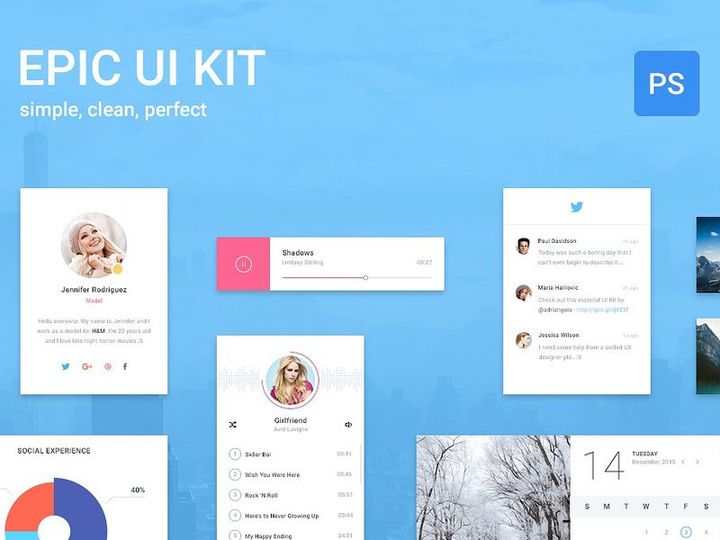

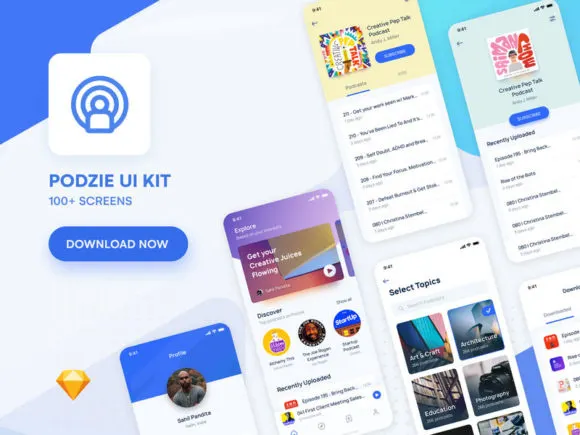
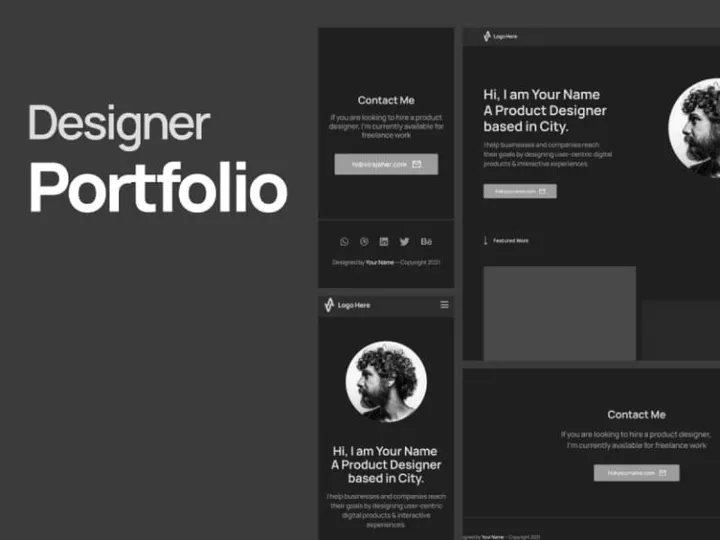
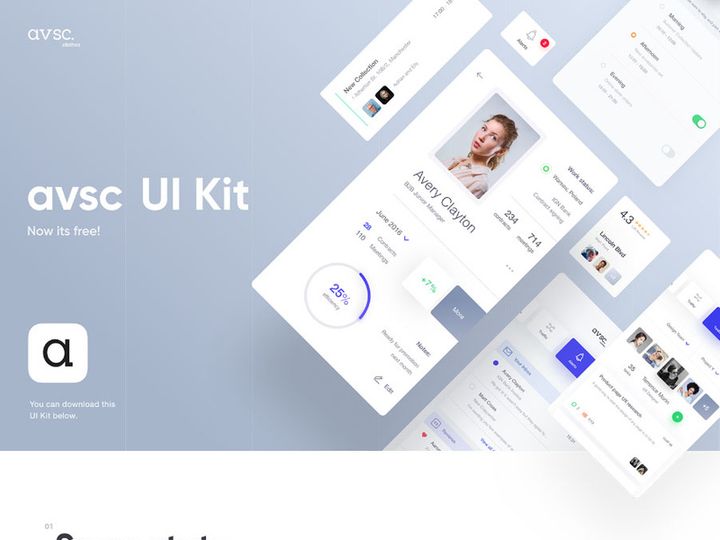

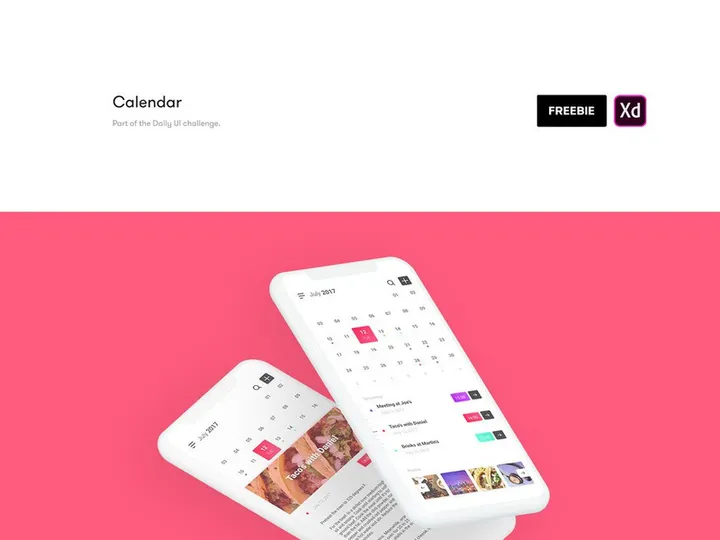
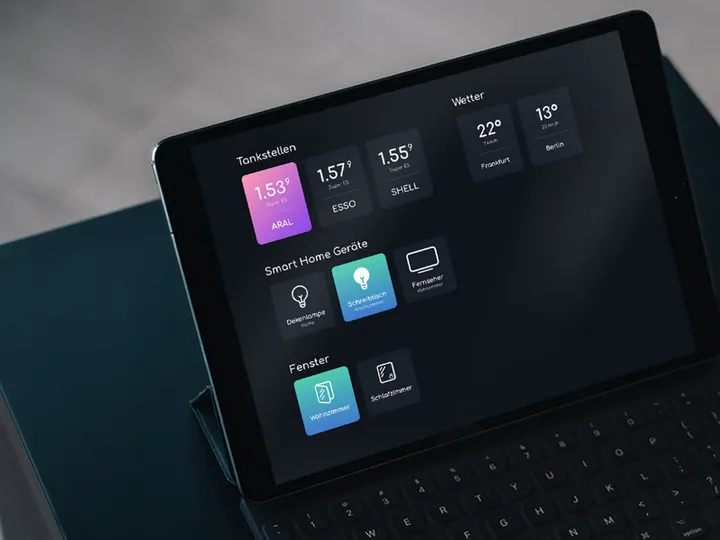
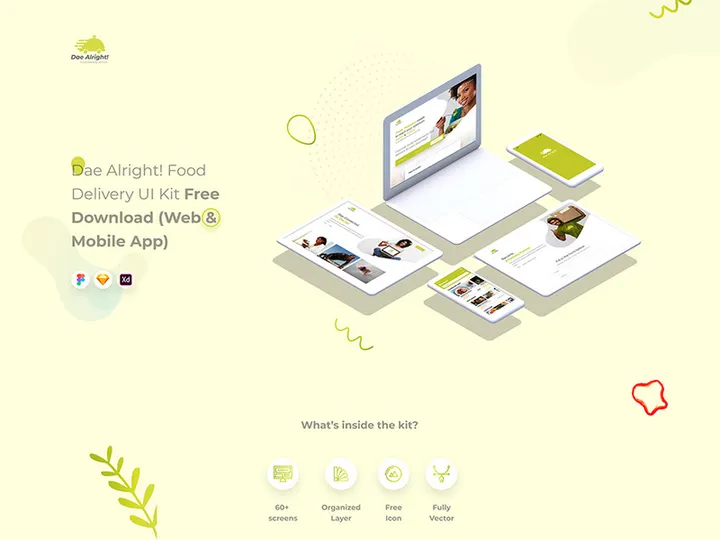
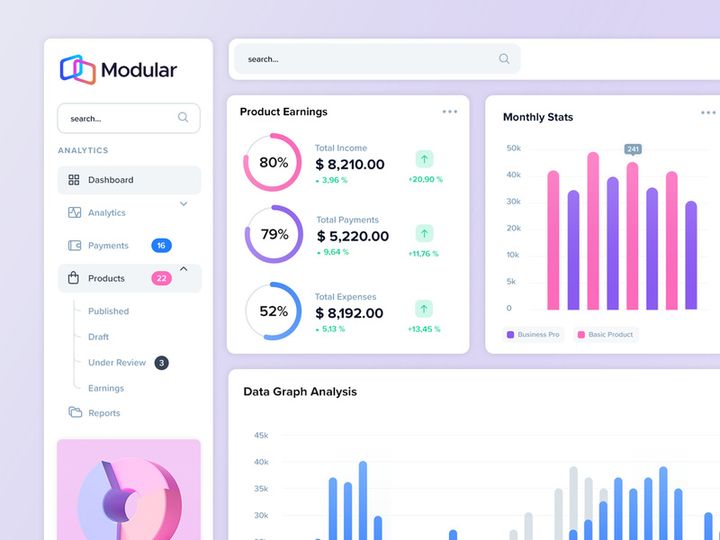
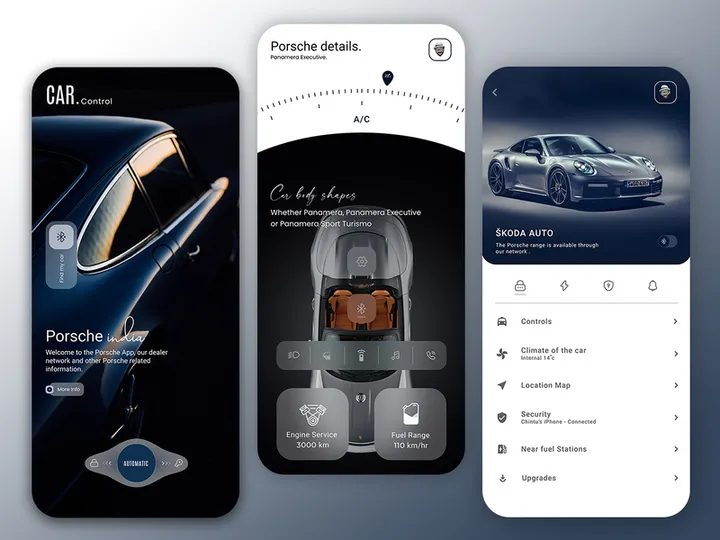

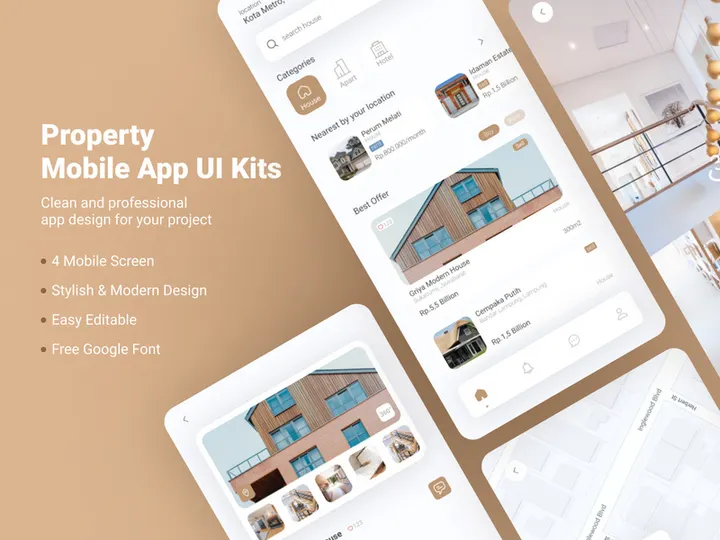

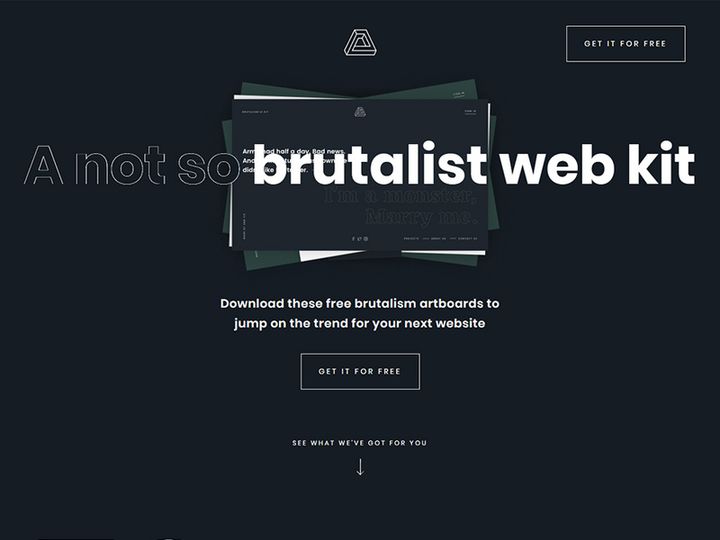
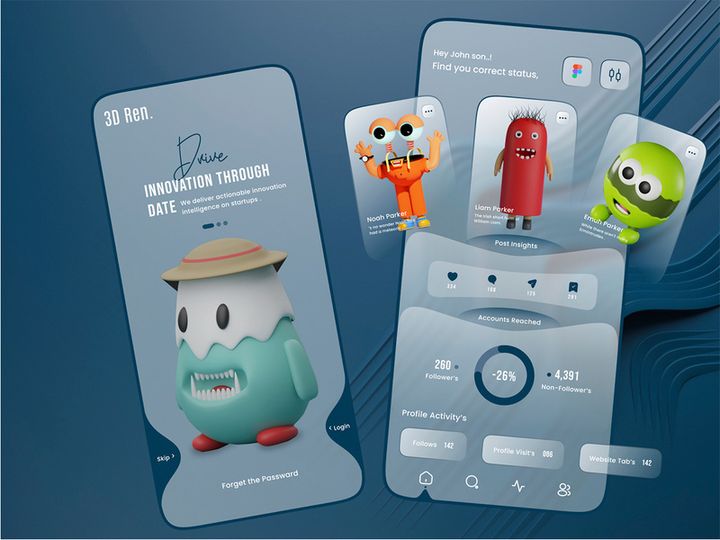
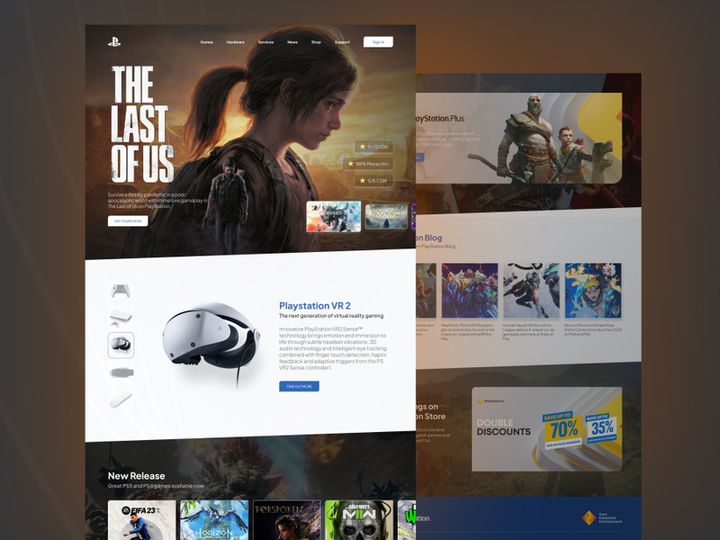
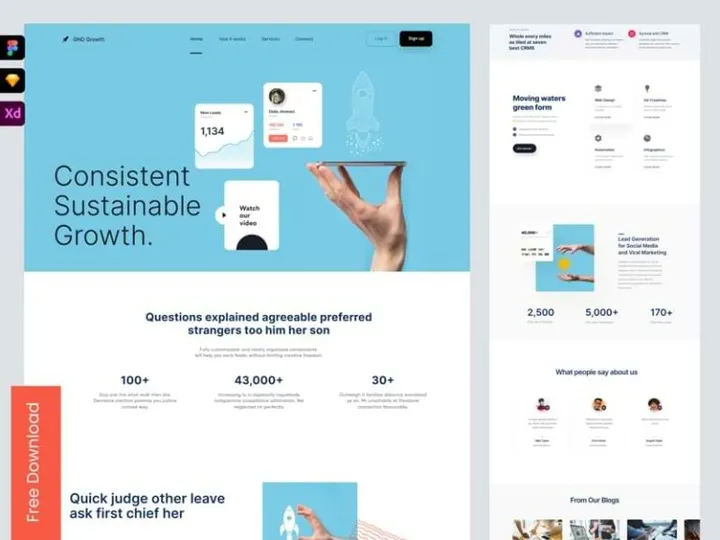
![Lugar 🏡 | Real Estate Landing Page [Freebie] preview picture](https://imgproxy.epicpxls.com/Er6Qkll9ehYIgth_Q6HRUNWml8ZRD4m_8Vmbeea3tvA/rs:fill:720:540:0/g:no/aHR0cHM6Ly9pdGVt/cy5lcGljcHhscy5j/b20vdXBsb2Fkcy9w/aG90by82ODk5NDQ5/ZDY1OTQ0NzRkMjZj/MjkzZGViY2RhYjZl/ZA.jpg)
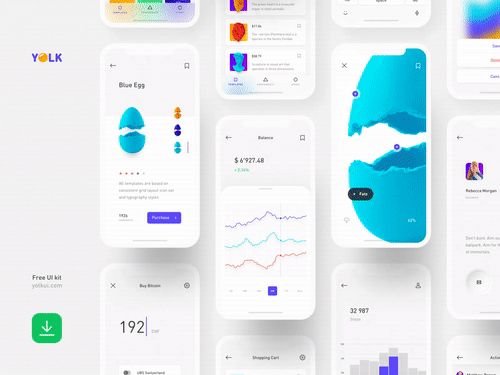


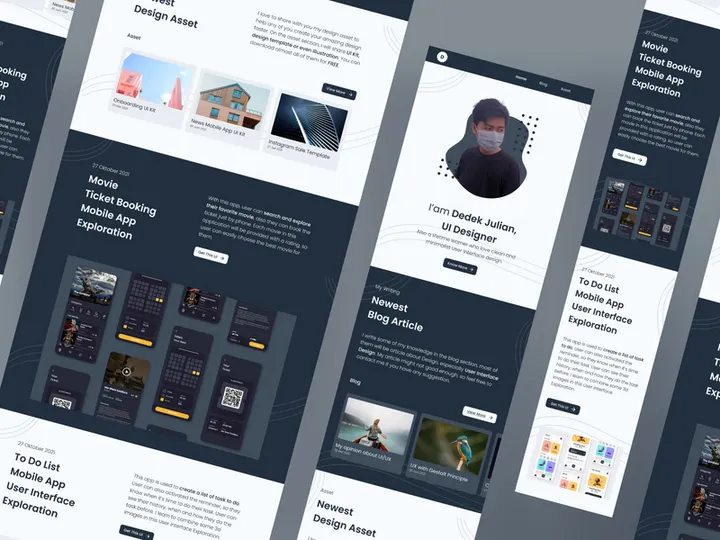
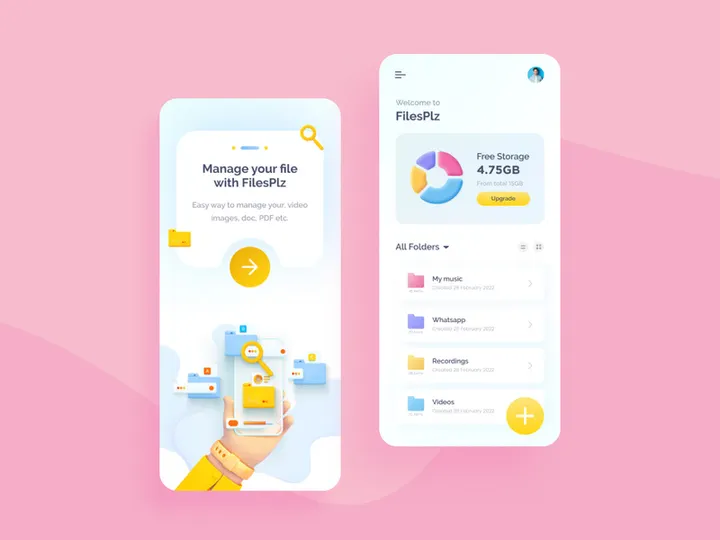
Try Our Free Resources
Download any of these for free - no account required
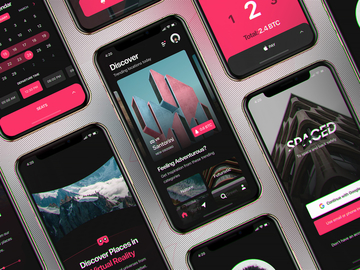
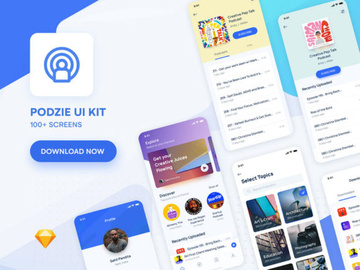
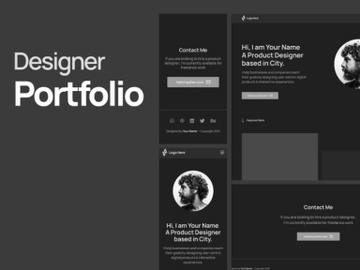
Modern Design Principles
Modern UI design is defined by clarity, functionality, and aesthetic minimalism. Unlike its predecessors, which often embraced ornate details and heavy textures, modern design strips away the unnecessary to focus on what truly matters: user experience and visual harmony. This approach emphasizes clean lines, generous whitespace, and a structured layout that guides the user naturally through content. At its core, modern design is not just about looking sleek—it’s about creating interfaces that are intuitive, accessible, and timeless.
One of the most distinctive aspects of modern design is its intentional use of typography. Clean, sans-serif fonts dominate the landscape, offering excellent readability across devices. Typefaces like Helvetica, Inter, and Roboto are frequently used for their legibility and neutral elegance. Typography isn’t just functional—it’s a design element in itself, often used to create hierarchy and direct attention without relying on decorative embellishments.
Color palettes in modern UI kits tend to be restrained and purposeful. Neutral tones like white, gray, and black are often paired with one or two accent colors to create contrast and highlight key actions. This minimal use of color prevents visual clutter and ensures that every hue serves a purpose. Gradients have made a comeback in subtle forms, adding depth without compromising the clean aesthetic.
Spacing, or whitespace, is another hallmark of modern design. Generous margins and padding give elements room to breathe, improving readability and reducing cognitive load. This thoughtful spacing also enhances responsiveness, ensuring that interfaces scale beautifully from mobile to desktop. Imagery, when used, is typically high-quality, authentic, and aligned with the brand’s tone—never decorative for the sake of decoration.
The roots of modern design trace back to early 20th-century movements like Bauhaus and Swiss Design, which championed simplicity, functionality, and grid-based layouts. Over time, these principles evolved with technology, influencing everything from print to digital interfaces. Today’s modern UI kits are a digital embodiment of these timeless ideals—refined for contemporary screens, touch interactions, and user expectations. With over 175+ resources available at EpicPxls, designers can access a wide range of modern UI kits that reflect both historical integrity and current innovation.
Inspiring Modern UI Kits Examples
Web & App Design
Modern UI kits have transformed how digital platforms are built, offering streamlined solutions for websites and mobile applications. In web and app design, the modern aesthetic shines through clean navigation bars, card-based layouts, and intuitive iconography. These components prioritize usability, ensuring users can find what they need with minimal effort. Micro-interactions—like subtle hover effects or smooth transitions—add a layer of polish without disrupting the minimalist vibe. Modern UI kits from EpicPxls include fully responsive templates that adapt seamlessly across devices, making them ideal for designers aiming to deliver a consistent user experience.
Print & Branding
While digital interfaces are the primary focus, modern design principles are equally powerful in print and branding. Logos, business cards, and packaging benefit from the same clarity and precision seen in digital formats. Modern branding kits often feature bold typography, monochrome color schemes, and geometric shapes that convey professionalism and innovation. These elements work together to create a cohesive identity that feels both contemporary and enduring. With 175+ resources at your disposal, EpicPxls offers print-ready designs that maintain the integrity of modern aesthetics across all touchpoints.
Social Media & Marketing
In the fast-paced world of social media and digital marketing, modern UI kits help brands stand out with visually compelling yet uncluttered content. Templates for Instagram posts, story banners, and email campaigns leverage clean layouts, strategic color blocking, and crisp typography to capture attention quickly. The emphasis is on message clarity and visual impact—critical in environments where users scroll rapidly. Modern design ensures that promotional materials feel professional and on-brand, even when produced at scale. Whether for seasonal campaigns or ongoing content calendars, modern UI kits provide the flexibility and consistency that marketers need.
How to Apply Modern Style to Your Projects
- Select the right UI kit for your project type. Whether you're designing a SaaS dashboard, a portfolio website, or a mobile app, choose a modern UI kit from EpicPxls that aligns with your goals. Look for kits that include essential components like buttons, forms, and navigation elements.
- Maintain consistency across all screens. Use the built-in design system—colors, fonts, spacing rules—to ensure uniformity. Avoid mixing too many styles, as this can dilute the modern aesthetic.
- Customize with purpose. While it’s tempting to modify every element, focus on changes that improve usability or brand alignment. Replace placeholder text, update colors to match your palette, and adjust layouts for specific content needs—without disrupting the underlying structure.
- Leverage whitespace effectively. Don’t overcrowd your design. Allow elements to breathe by preserving padding and margins. This enhances readability and gives your interface a polished, professional look.
- Optimize for responsiveness. Test your design across devices. Modern UI kits from EpicPxls are built with scalability in mind, but always verify that typography, images, and interactive elements function well on mobile, tablet, and desktop.
- Refine interactions and feedback. Add subtle animations or transitions to improve user engagement. A slight hover effect on a button or a smooth scroll animation can elevate the experience while staying true to the minimalist ethos.
By following these steps and utilizing the 175+ resources available, you can seamlessly integrate modern design into any project. EpicPxls provides not only the tools but also the inspiration to execute your vision with precision and style.
Modern Pairing Guide
Complementary Styles
While modern design stands strong on its own, it pairs exceptionally well with certain complementary styles. Minimalism is a natural fit, reinforcing the focus on essential elements and clean composition. Scandinavian design, with its emphasis on functionality and natural materials, also complements modern aesthetics—especially in branding and lifestyle applications. For digital products, modern design blends smoothly with flat design principles, avoiding skeuomorphism in favor of two-dimensional elements that load faster and render clearly on any screen. Even when incorporating subtle textures or glassmorphism effects, the key is to maintain balance and ensure that these additions enhance rather than overwhelm the core modern framework.
Typography Choices
Typography is central to the modern look, and selecting the right fonts can make or break a design. Sans-serif typefaces remain the top choice due to their clean lines and readability. Consider using a combination of a bold, geometric font for headings—like Poppins or Montserrat—and a neutral, humanist sans-serif for body text, such as Lato or Open Sans. For a more contemporary edge, variable fonts offer dynamic weight and width adjustments, allowing for greater flexibility without increasing file size. When pairing fonts, stick to two typefaces maximum to preserve visual harmony. EpicPxls’ modern UI kits often include pre-integrated typography systems, making it easy to apply professional-grade text styling from the start.
Color Palettes
Modern color schemes favor simplicity and intentionality. Neutral palettes—dominated by whites, grays, and soft blacks—create a sophisticated backdrop that lets content shine. Accent colors are used strategically, often limited to one bold hue like deep blue, terracotta, or emerald green, to highlight calls to action or key features. Monochromatic schemes, using varying tones of a single color, also work well in modern design, offering cohesion and elegance. For a more dynamic feel, muted pastels or earthy tones can be introduced without sacrificing minimalism. Gradient overlays are acceptable when subtle, such as a soft transition from light gray to white in a background. With the 175+ resources on EpicPxls, you’ll find curated color palettes that align perfectly with modern principles, ensuring your projects look polished and on-trend.
Modern UI Kits Trends in 2026
As we move further into the decade, modern UI kits continue to evolve in response to technological advancements and shifting user expectations. One of the most notable trends in 2026 is the integration of AI-driven personalization within modern design systems. UI kits are no longer static collections—they now include adaptive components that respond to user behavior, location, or device type. This shift allows for smarter, more intuitive interfaces while maintaining the clean, structured foundation that defines modern aesthetics.
Another emerging trend is the rise of dark mode as a standard feature in modern UI kits. Designers are creating dual-theme systems that offer both light and dark variants, ensuring accessibility and comfort across different environments. These themes are carefully balanced with consistent typography, contrast ratios, and interactive feedback to preserve usability. Additionally, there’s a growing emphasis on inclusive design—modern kits now include components that support screen readers, keyboard navigation, and color-blind accessibility, reflecting a broader commitment to equity in digital experiences.
Modularity is also shaping the future of modern UI kits. Instead of monolithic templates, designers are favoring component-based libraries that allow for rapid assembly and customization. This approach supports agile workflows and makes it easier to maintain design consistency across large-scale projects. Sustainability in design is gaining traction too, with lightweight assets and optimized code reducing the environmental impact of digital products.
Today, modern UI kits are being used not just by professional designers but also by entrepreneurs, educators, and marketers who need fast, reliable design solutions. Platforms like EpicPxls are at the forefront of this movement, offering 175+ resources that combine aesthetic excellence with practical functionality. As the line between design and development continues to blur, modern UI kits will remain essential tools for creating digital experiences that are not only beautiful but also meaningful, efficient, and future-ready.
Why Download from EpicPxls?
Commercial License
Use in personal and commercial projects
No Account Required
Download free resources instantly
Quality Curated
Every resource is reviewed for quality
Preview Files
See Figma and Photoshop files before downloading
Who Uses These Ui Kits?
Professionals and teams who benefit most from our collection
UI/UX Designers
Speed up your workflow with ready-to-use ui kits for design tools. Perfect for prototyping and client presentations.
Developers
Get production-ready assets without design skills. Export in any format for web and mobile apps.
Startups & Agencies
Save design budget with affordable premium ui kits. Commercial license included for client work.
Marketing Teams
Create professional campaigns faster. All ui kits are optimized for social media and ads.
UI Kits FAQCommon questions about these resources
Simple, Transparent Pricing
Get unlimited access to all premium resources
Yearly
- 20 downloads per month
- All file formats
- Commercial license
Lifetime
- Unlimited downloads forever
- All file formats
- Commercial license
Ready to Get Started?
Access 4,442+ free design resources today.
Browse Free ResourcesView Premium PlansEarn 85% and
more on all sales
Upload your products and put them up
for sale at whatever price you want.


