How to Use Icons in Illustrator: Complete Guide
EpicPxls offers 200+ curated icons for Illustrator, all with a commercial license and editable source files (Figma, Sketch, PSD). Download your chosen icons from EpicPxls, then use Illustrator's import function. Most resources include Illustrator-native files for seamless opening.
Last updated February 13, 2026
Everything you need to know about using icons in Illustrator.
Trusted by designers at leading companies
Top Icons for Illustrator
Handpicked resources from our curated collection
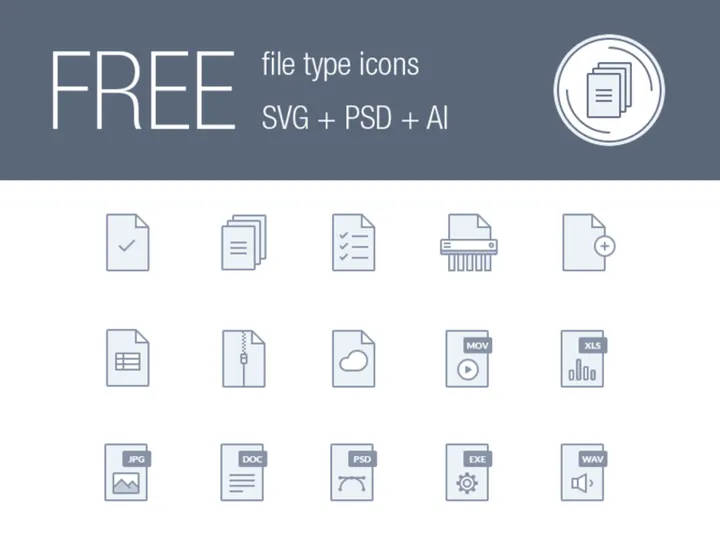


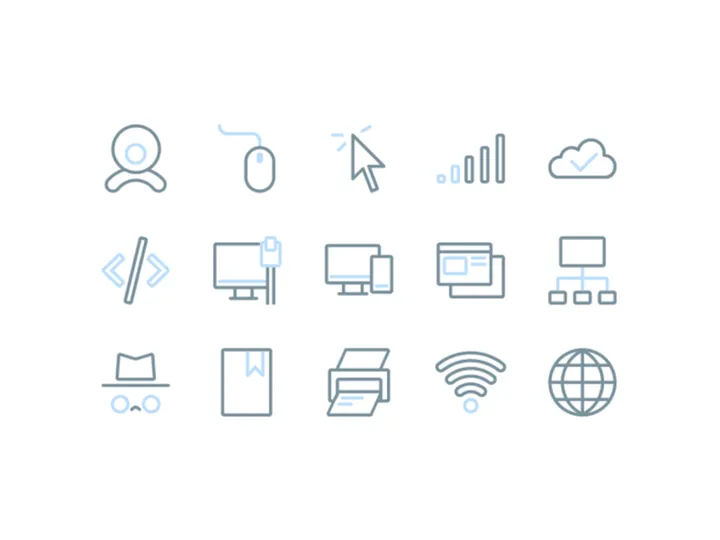




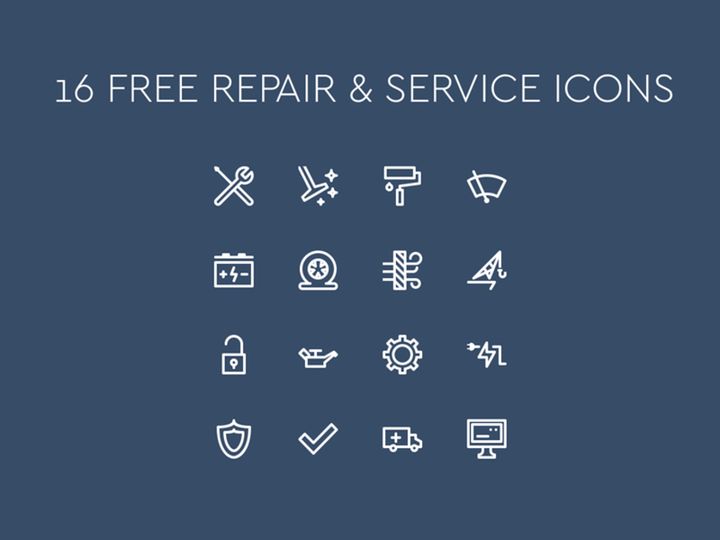



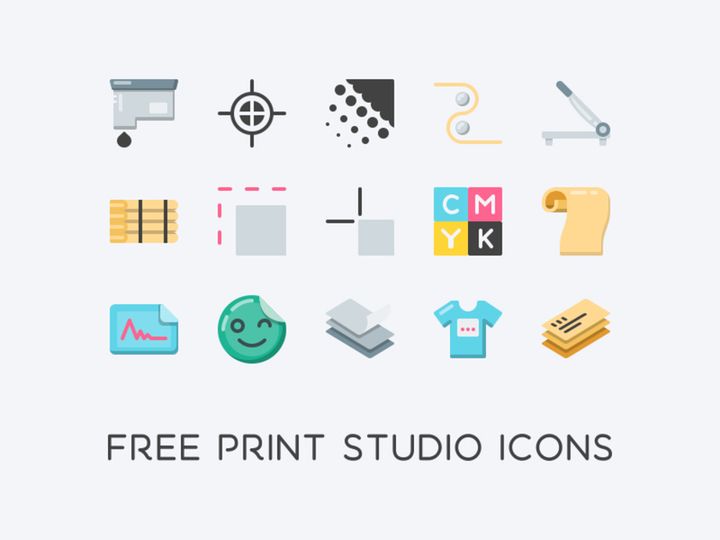
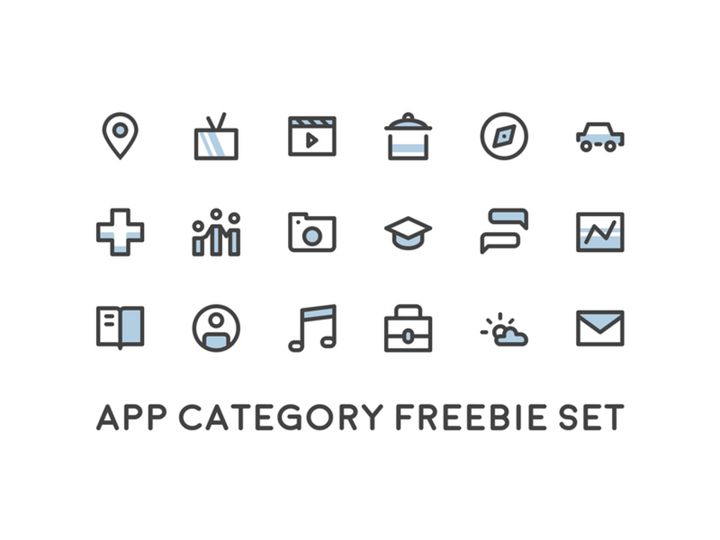

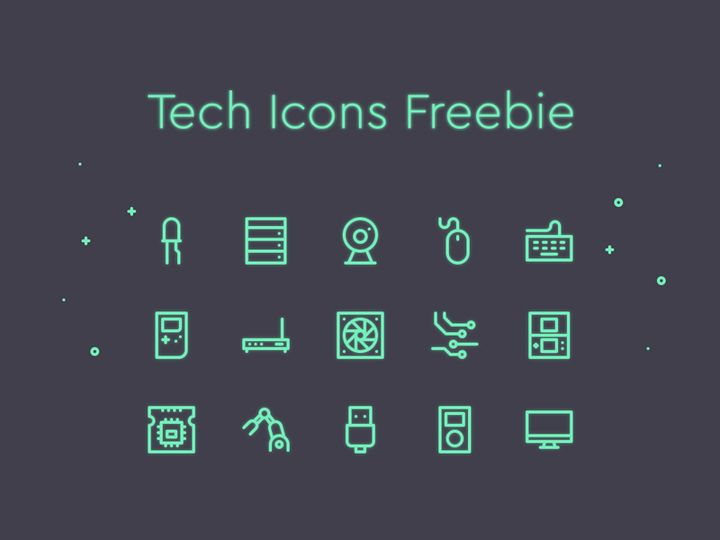

Try Our Free Resources
Download any of these for free - no account required
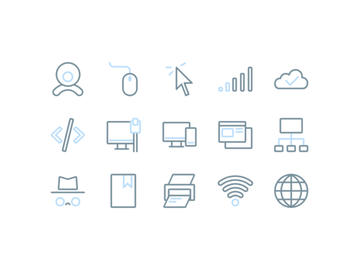
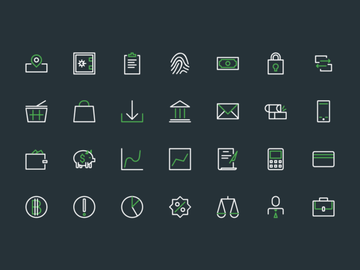
Getting Started with Icons in Illustrator
Adobe Illustrator is one of the most powerful vector design tools available, making it an ideal platform for working with icons. Whether you're designing a website, mobile app, or print material, icons enhance visual communication and improve user experience. To get started, ensure you have a stable version of Adobe Illustrator installed—preferably the latest release to take advantage of updated features and file compatibility. A basic understanding of the Illustrator interface, including tools like the Selection Tool, Layers panel, and Pathfinder, will help you make the most of your icon workflow.
When sourcing icons for use in Illustrator, it's important to choose formats that preserve scalability and editability. Vector-based formats such as AI (Adobe Illustrator), SVG (Scalable Vector Graphics), and EPS are ideal because they maintain quality at any size. Raster formats like PNG or PSD can be used but may lose clarity when scaled. Many designers rely on curated design platforms to access high-quality, ready-to-use icons. One such resource is EpicPxls, which offers a growing collection of over 200+ professionally designed icon sets. These resources are optimized for vector editing and are perfect for integration into Illustrator projects.
The 200+ resources available on EpicPxls include diverse styles such as line icons, filled icons, flat design, and glyph-style sets, catering to different design needs. Whether you're working on a clean dashboard UI or a detailed infographic, you’ll find icons that match your aesthetic. Most of these downloads come with multiple file formats, including AI and SVG, ensuring seamless compatibility with Illustrator. Additionally, these icons are often organized in well-structured layers and grouped elements, making customization straightforward. With the right setup and access to quality assets, you're well on your way to efficiently incorporating icons into your design workflow.
How to Import Icons into Illustrator
- Download the Correct File Format: Begin by downloading an icon set that includes AI or SVG files. These formats are natively supported in Illustrator and preserve vector data. If you're using resources from EpicPxls, you’ll typically find multiple format options—always select the AI or SVG version for the best results.
- Locate the Downloaded File: Once downloaded, unzip the folder if necessary and navigate to the file location on your computer. Keep your project folder organized by storing icon assets in a dedicated subfolder.
- Open Illustrator and Create a New Document: Launch Adobe Illustrator and open a new document with the appropriate dimensions for your project. Alternatively, you can import icons into an existing file.
- Use the “File > Open” or “File > Place” Command: To fully edit an icon, use File > Open to open the AI or SVG file directly. For embedding an icon into an existing project, go to File > Place, select your icon file, and click “Place.” Then click on the artboard to insert it.
- Embed or Link the Asset: When placing a file, Illustrator may prompt you to embed or link the image. Choose embed if you want the icon data saved within the document. Choose link if you plan to update the icon externally and maintain smaller file sizes—ideal for team workflows.
- Ungroup and Unlock Layers (If Needed): After importing, some icons may be grouped or locked. Right-click the icon and select “Ungroup” or use the Layers panel to unlock individual components. This step is crucial for editing individual elements like strokes, fills, or sub-shapes within the icon.
Illustrator supports a variety of file types, but handling them correctly ensures smooth integration. PSD files from other design tools can be imported, though layer fidelity may vary. SVG files are excellent for web-based icons and retain most vector properties. While Figma designs aren’t native to Illustrator, you can export icons from Figma as SVG or PNG and import them accordingly. Always check for missing assets or rasterized elements after import, especially when converting from non-vector formats. With the right approach, importing icons becomes a streamlined part of your design process.
Step-by-Step: Working with Icons in Illustrator
Editing Layers and Components
Once your icon is imported into Illustrator, the real customization begins. Most professionally designed icons—especially those from platforms like EpicPxls—are built with structured layers and grouped components. Open the Layers panel (Window > Layers) to explore the hierarchy. You’ll often find separate layers for strokes, fills, and individual icon elements. This structure makes it easy to modify colors, adjust stroke weights, or hide/show parts of the icon.
To change an icon’s color, select a shape and use the Color or Swatches panel. For consistent branding, consider creating a color palette in advance. Use the Recolor Artwork tool (Edit > Edit Colors > Recolor Artwork) to apply new color schemes across multiple icons simultaneously. You can also adjust stroke properties via the Stroke panel, changing weight, cap style, or alignment. For more advanced edits, use tools like the Direct Selection Tool (A) to manipulate anchor points or the Pathfinder panel to combine or subtract shapes.
If you're working with a monoline icon set, ensure stroke consistency across all icons in your project. Avoid mixing stroke weights unless intentional. Some icons may include effects like drop shadows or glows—these can be edited or removed in the Appearance panel. Remember to expand appearances (Object > Expand Appearance) if you need to modify the underlying vector shapes.
Organizing Your Icons Library
Managing multiple icons efficiently is key to maintaining productivity—especially when working with large sets from the 200+ resources on EpicPxls. Create a dedicated Illustrator file as your master icon library. Use artboards to categorize icons by function (e.g., “Navigation,” “Social Media,” “E-Commerce”). Label layers clearly and group related icons together.
Use Libraries (Window > Libraries) to store frequently used icons in the Creative Cloud library panel. This allows you to drag and drop assets across different Illustrator projects. You can also save symbols using the Symbol Sprayer Tool—ideal for reusing icons in UI design. For team environments, consider syncing your library via Creative Cloud or a shared drive to maintain consistency.
Another best practice is to create icon naming conventions. For example, “icon-home-filled,” “icon-user-line,” or “icon-settings-24px.” This makes searching and filtering easier when you have hundreds of assets. Regularly audit your library to remove outdated or unused icons and keep your workflow clutter-free.
Exporting for Production
After finalizing your icons, proper export settings ensure they perform well across different platforms. Go to File > Export > Export As or use the Assets panel (Window > Assets) for batch exporting. Choose the appropriate format based on your use case:
- SVG for web and mobile applications—scalable, small file size, and supports interactivity.
- PNG for raster-based needs—ideal for apps or websites requiring transparency and crisp edges. Export at 1x, 2x, and 3x resolutions for responsive design.
- PDF for print materials—preserves vector quality and is widely accepted by printers.
- AI for sharing with other designers who need full editability.
When exporting SVGs, use the SVG Options dialog to minimize file size by removing metadata, preserving structure, and setting decimal precision. For PNGs, select transparent background and the appropriate resolution. Use Artboards to organize multiple icons for batch export—each icon on its own artboard will export as a separate file. This method saves time when handling large icon sets from the 200+ resources available on EpicPxls.
Troubleshooting Common Illustrator Issues
File Won't Open
If an icon file fails to open in Illustrator, the most common cause is version incompatibility. Older versions of Illustrator may not support files saved in newer formats. For example, an AI file saved in Illustrator 2024 may not open in CS6. To resolve this, check the file’s version and, if possible, download a compatible format (e.g., SVG or EPS). When using resources from EpicPxls, always verify the included file versions. If you must open a newer file, consider using Adobe Creative Cloud’s online conversion tools or ask the source to provide a backward-compatible version.
Missing Fonts or Assets
Some icon files may include text labels or linked assets that aren’t embedded. If you see warning messages about missing fonts, go to Type > Find Font to replace them with available alternatives. For linked images or assets, check the Links panel (Window > Links) to relink or embed missing files. To avoid this issue, always choose icon sets that use vector shapes instead of text for symbols—most high-quality sets from the 200+ resources on EpicPxls follow this practice. When in doubt, outline text (Type > Create Outlines) to convert it into editable vector shapes.
Performance Problems
Large icon libraries or complex vector files can slow down Illustrator. If you experience lag, try simplifying your document by hiding unused layers or splitting large files into smaller ones. Use Object > Flatten Transparency sparingly, as it can increase file size. Disable unnecessary plugins and reduce the number of on-screen artboards. For smoother performance, regularly save and restart Illustrator. When working with high-detail icons, consider rasterizing non-essential elements only during final export, not during design.
Advanced Illustrator Tips for Icons
Batch Processing
When working with dozens or hundreds of icons, manual editing becomes inefficient. Illustrator’s Actions panel (Window > Actions) allows you to record repetitive tasks—such as resizing, recoloring, or exporting—and apply them to multiple files. Create an action for common adjustments (e.g., changing stroke color to brand blue), then use File > Automate > Batch to apply it across a folder of AI or SVG files. This is especially useful when standardizing icons from the 200+ resources on EpicPxls to match your brand guidelines.
Plugins and Extensions
Enhance your icon workflow with Illustrator plugins. Tools like Vector First Aid help clean up stray points, while Phantasm offers advanced color adjustments. For UI designers, extensions that support icon grid alignment or pixel-perfect snapping can improve precision. Adobe Exchange offers a range of approved plugins that integrate seamlessly. Some designers also use third-party tools to auto-generate icon sheets or optimize SVG code—ideal for developers collaborating on web projects.
Collaboration Workflows
When working in teams, maintaining a consistent icon library is crucial. Use CC Libraries to share icons across team members. Designers can drag icons into the library, and others can access them in real time. For larger teams, consider using a shared network folder or cloud storage with version control. Document naming conventions and update logs to avoid conflicts. If your team uses both design and development tools, export icons in multiple formats (SVG, PNG) and provide style guides. Platforms like EpicPxls often include documentation with their 200+ resources, making it easier to maintain design consistency across projects.
Why Download from EpicPxls?
Commercial License
Use in personal and commercial projects
No Account Required
Download free resources instantly
Quality Curated
Every resource is reviewed for quality
Preview Files
See Figma and Photoshop files before downloading
Who Uses These Icons?
Professionals and teams who benefit most from our collection
UI/UX Designers
Speed up your workflow with ready-to-use icons for Illustrator. Perfect for prototyping and client presentations.
Developers
Get production-ready assets without design skills. Export in any format for web and mobile apps.
Startups & Agencies
Save design budget with affordable premium icons. Commercial license included for client work.
Marketing Teams
Create professional campaigns faster. All icons are optimized for social media and ads.
Icons for Illustrator FAQCommon questions about these resources
Simple, Transparent Pricing
Get unlimited access to all premium resources
Yearly
- 20 downloads per month
- All file formats
- Commercial license
Lifetime
- Unlimited downloads forever
- All file formats
- Commercial license
Ready to Get Started?
Access 4,441+ free design resources today.
Browse Free ResourcesView Premium PlansEarn 85% and
more on all sales
Upload your products and put them up
for sale at whatever price you want.


