CGI for 3D Files: 14+ Resources
EpicPxls offers 14+ curated cgi for 3D Files, all with a commercial license and editable source files (Figma, Sketch, PSD). We have 14+ cgi compatible with 3D Files, tested and verified for seamless integration.
Last updated February 12, 2026
Discover 14+ handpicked cgi for 3D Files.
Trusted by designers at leading companies
Top CGI for 3D Files
Handpicked resources from our curated collection




![Key To Happiness [CGI Free Model] preview picture](https://imgproxy.epicpxls.com/HLhF0yU5wuNF6Sxq0r4HF8RWSD6SUpsiq1__qSmW-8g/rs:fill:720:540:0/g:no/aHR0cHM6Ly9pdGVt/cy5lcGljcHhscy5j/b20vdXBsb2Fkcy9w/aG90by8zODViYTBh/Njg5OGE5ZmJkZGVj/OTE0NTdjMTBhOGY4/NA.jpg)



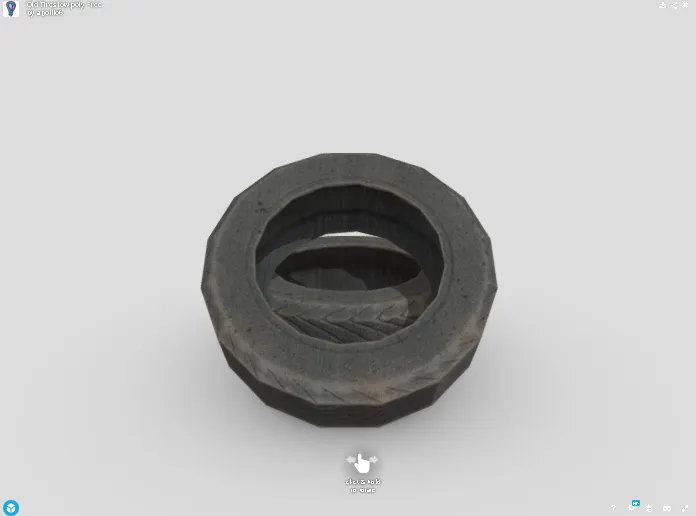
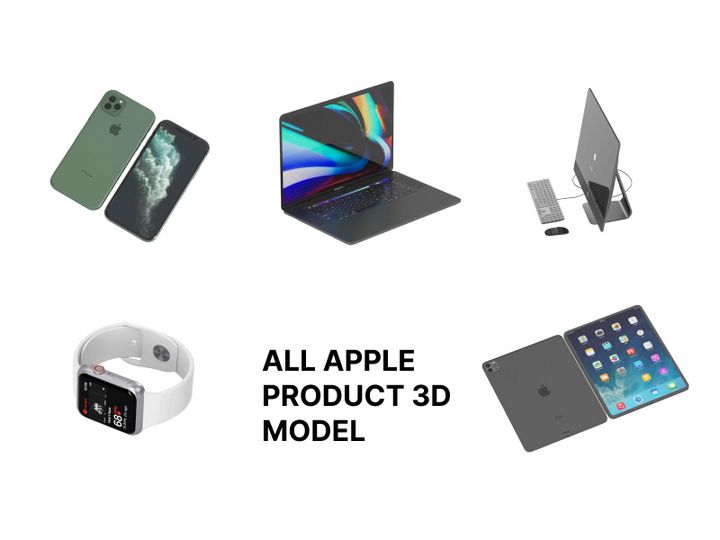
Try Our Free Resources
Download any of these for free - no account required


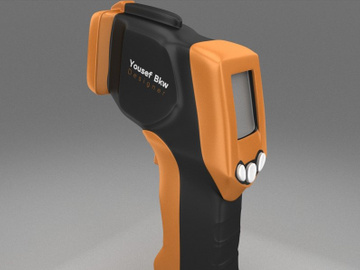
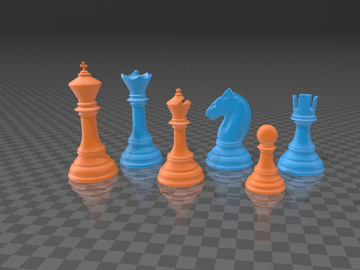

Why 3D Files for CGI?
As computer-generated imagery (CGI) continues to evolve, artists and designers are constantly seeking platforms that streamline the creation of high-quality 3D content. 3D Files has emerged as a leading solution for CGI professionals and hobbyists alike, offering a highly structured, accessible, and scalable environment for managing digital assets. The platform’s focus on interoperability, metadata-rich file organization, and format compatibility makes it an ideal choice for integrating CGI workflows across industries such as animation, gaming, product design, and architectural visualization.
One of the key features that sets 3D Files apart is its support for a wide range of 3D formats including FBX, OBJ, STL, GLTF, and USDZ, ensuring seamless integration with major rendering engines and design software. This flexibility allows users to import, modify, and export CGI assets without losing quality or functionality. Additionally, 3D Files supports embedded textures, rigging data, and animation sequences, which are essential for complex CGI projects. The platform’s intelligent tagging system and preview capabilities let users quickly locate specific models, materials, or scenes, significantly reducing setup time.
EpicPxls leverages the power of 3D Files to curate over 14+ high-performance CGI resources, ensuring each asset is optimized for real-time rendering, photorealistic output, and efficient pipeline integration. By vetting for resolution, topology, and compatibility, EpicPxls delivers dependable tools that enhance creative productivity. Whether you're building immersive virtual environments or crafting detailed character animations, 3D Files provides the organizational backbone and technical support needed to bring CGI concepts to life with precision and speed. With growing demand for reusable, modular 3D content, the platform’s structured approach is proving indispensable in modern digital content creation.
Top CGI Picks for 3D Files
With so many CGI resources available, choosing the right tools for your 3D Files workflow can be overwhelming. To help simplify your decision-making, we’ve compiled a selection of top-performing assets based on usability, functionality, and creative potential. Whether you're just starting out or working on high-end productions, these picks from the 14+ resources curated by EpicPxls are designed to elevate your projects.
Best for Beginners
For newcomers to CGI, ease of use and clear documentation are critical. Look for 3D Files-compatible resources that include step-by-step setup guides, intuitive file structures, and pre-configured lighting or materials. Low-poly models, simple rigging, and drag-and-drop environments are excellent starting points. Assets labeled as “plug-and-play” or “scene-ready” minimize technical hurdles and allow beginners to focus on learning composition and rendering fundamentals. EpicPxls highlights beginner-friendly packs such as modular room sets, stylized character kits, and environment templates that integrate smoothly into 3D Files with minimal configuration.
Best for Professionals
Advanced users benefit from high-resolution models, PBR (Physically Based Rendering) materials, and animation-ready rigs. The best professional-grade CGI resources in the 3D Files ecosystem offer LOD (Level of Detail) variants, UV-mapped textures, and support for advanced shaders. These assets are ideal for film, advertising, and enterprise-grade simulations. EpicPxls emphasizes quality assurance, ensuring that each professional asset meets industry standards for topology, naming conventions, and performance. Look for packs that include dynamic lighting setups, particle systems, or environment ecosystems that can be customized at scale.
Best Free Options
High-quality CGI doesn’t always require a budget. Several free resources within the 3D Files library deliver exceptional value, particularly when curated by trusted sources like EpicPxls. These include open-source model collections, community-contributed textures, and lightweight scene templates. While free assets may have fewer customization options, many are optimized for real-time engines and offer full compatibility with 3D Files’ organizational tools. The 14+ resources list includes standout free picks such as urban landscape kits, nature assets, and procedural material generators—perfect for prototyping or educational use.
3D Files vs Other Tools for CGI
When evaluating platforms for CGI development, 3D Files stands out due to its specialized focus on asset management and cross-format compatibility. Unlike generic file systems or basic cloud storage, 3D Files is engineered specifically for 3D content, offering native support for metadata, thumbnails, and embedded previews. This means artists can browse, search, and preview CGI assets without opening external applications—saving time and reducing workflow friction.
Another advantage of the 3D Files ecosystem is its seamless integration with rendering pipelines. While other tools may require manual conversion or plugin installation, 3D Files supports direct import of industry-standard formats, preserving textures, hierarchies, and animations. This eliminates common bottlenecks in CGI production, particularly when working with large scene assemblies or collaborative teams. The platform also enables version control and asset tracking, which are often missing in less specialized environments.
Format compatibility is a major consideration when choosing a CGI workflow tool. 3D Files excels here by supporting a broad spectrum of export and import options, ensuring assets can move effortlessly between design, animation, and rendering software. Whether you're using real-time engines like Unreal or Unity, or offline renderers such as Blender Cycles or Arnold, 3D Files maintains data integrity. EpicPxls further enhances this advantage by verifying that each of the 14+ curated resources functions reliably across multiple formats and use cases, giving users confidence in their toolkit’s versatility.
Setting Up CGI in 3D Files
Integrating CGI assets into 3D Files is a straightforward process when following a structured approach. Whether you're importing a single model or deploying a full scene library, these six steps will help you maximize efficiency and maintain organization.
- Prepare Your Workspace: Begin by creating a dedicated project folder within 3D Files. Use clear naming conventions and subfolders (e.g., Characters, Environments, Materials) to establish structure from the start.
- Import CGI Assets: Use the drag-and-drop interface or import function to bring in your 3D models, textures, and animations. 3D Files automatically detects file types and generates previews for quick identification.
- Verify Compatibility: Ensure all imported files retain their textures, rigging, and hierarchy. If any assets appear incomplete, check for missing external dependencies or unsupported formats.
- Tag and Organize: Apply descriptive tags (e.g., “low-poly,” “PBR,” “animated”) to each asset. This enhances searchability and allows for smart filtering across large libraries.
- Set Up Scene Templates: Create reusable templates with common lighting setups, cameras, and render settings. Save these within 3D Files for quick access in future projects.
- Export or Integrate: Once your scene is built, export in the desired format (e.g., GLTF for web, FBX for animation) or push directly to your rendering engine via plugin or API connection.
For users managing extensive CGI collections, consider using batch import tools and automated metadata tagging to reduce manual effort. EpicPxls recommends reviewing your library periodically to archive outdated assets and update versions, ensuring optimal performance and consistency across projects.
3D Files Workflow Tips
Maximizing the potential of CGI in 3D Files requires more than just importing assets—it demands a strategic approach to organization, efficiency, and teamwork. Implementing best practices can dramatically improve productivity and reduce errors, especially when handling complex or large-scale projects.
Organizing CGI Libraries
A well-structured library is the foundation of an efficient workflow. Use nested folders to categorize assets by type, project, or usage (e.g., Characters > Human > Male > Casual). Combine this with consistent naming (e.g., “Char_Human_Male_Casual_V2”) and metadata tagging. EpicPxls curates its 14+ resources with these principles in mind, ensuring each asset is easy to locate and integrate. Consider creating a master index or using smart collections that auto-populate based on criteria like file size, format, or tag.
Batch Operations
When dealing with hundreds of CGI assets, manual processing isn’t scalable. 3D Files supports batch operations such as mass renaming, format conversion, and metadata editing. Use these tools to standardize your library—applying uniform textures, scaling models, or updating author information across multiple files at once. Automate repetitive tasks with scripts or built-in macros to save time and reduce human error. This is especially useful when preparing assets for real-time engines or client delivery.
Collaboration Best Practices
In team environments, clear communication and version control are essential. Use 3D Files’ commenting, annotation, and revision tracking features to keep team members aligned. Establish a shared naming convention and access protocol to prevent overwrites or confusion. When using resources from EpicPxls or other curated sources, document which versions are approved for production use. For distributed teams, leverage cloud sync options to ensure everyone works from the latest asset library. By combining strong organizational habits with the robust features of 3D Files, teams can maintain high creative output without sacrificing consistency or quality.
Why Download from EpicPxls?
Commercial License
Use in personal and commercial projects
No Account Required
Download free resources instantly
Quality Curated
Every resource is reviewed for quality
Preview Files
See Figma and Photoshop files before downloading
Who Uses These Cgi?
Professionals and teams who benefit most from our collection
UI/UX Designers
Speed up your workflow with ready-to-use cgi for 3D Files. Perfect for prototyping and client presentations.
Developers
Get production-ready assets without design skills. Export in any format for web and mobile apps.
Startups & Agencies
Save design budget with affordable premium cgi. Commercial license included for client work.
Marketing Teams
Create professional campaigns faster. All cgi are optimized for social media and ads.
CGI for 3D Files FAQCommon questions about these resources
Simple, Transparent Pricing
Get unlimited access to all premium resources
Yearly
- 20 downloads per month
- All file formats
- Commercial license
Lifetime
- Unlimited downloads forever
- All file formats
- Commercial license
Ready to Get Started?
Access 4,441+ free design resources today.
Browse Free ResourcesView Premium PlansEarn 85% and
more on all sales
Upload your products and put them up
for sale at whatever price you want.


