Vintage Templates: 46+ Vintage Designs
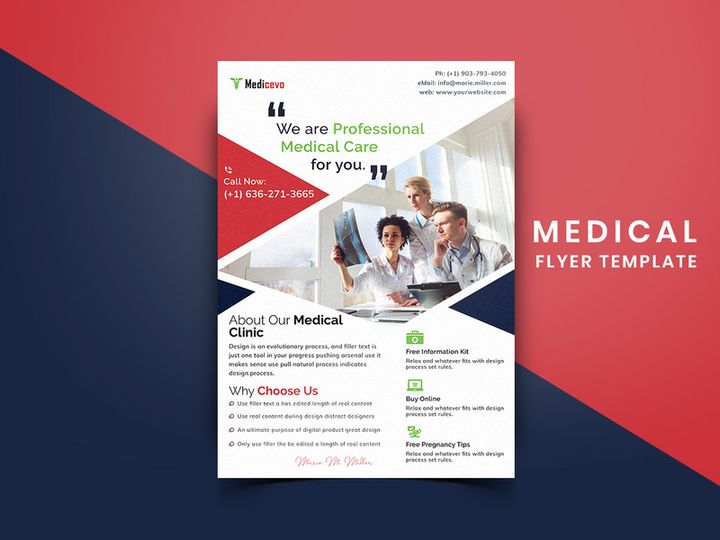
EpicPxls offers 46+ curated templates, all with a commercial license and editable source files (Figma, Sketch, PSD). Vintage templates are characterized by specific visual elements, typography choices, and color palettes that define the vintage aesthetic in design.
Last updated February 12, 2026
Discover 46+ curated vintage templates for your projects.
Trusted by designers at leading companies
Top Templates
Handpicked resources from our curated collection











Try Our Free Resources
Download any of these for free - no account required
Vintage Design Principles
Vintage design is more than just a nostalgic throwback—it’s a carefully curated aesthetic that evokes the charm, craftsmanship, and cultural spirit of past decades. At its core, vintage design draws inspiration from periods spanning the 1920s to the 1980s, blending elements of Art Deco, mid-century modern, retro typography, and analog textures to create a look that feels both timeless and authentic. What makes vintage design distinctive is its ability to tell a story through visual cues, transporting viewers to a bygone era while maintaining relevance in modern applications.
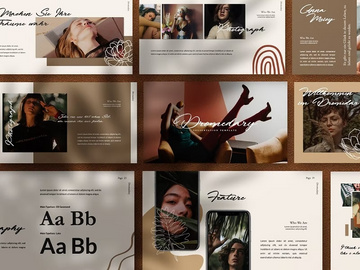
Key visual elements define the vintage style. Typography plays a crucial role, with hand-drawn lettering, serif fonts, and distressed typefaces commonly used to mimic printed materials from earlier decades. Color palettes are often muted and earthy—think sepia tones, olive greens, mustard yellows, and faded reds—evoking the natural aging of paper and ink. These soft, weathered hues contrast with the bold, saturated colors typical of modern design, giving vintage templates a warm, lived-in feel. Spacing and layout also reflect historical trends, often embracing asymmetry, centered compositions, and generous margins reminiscent of vintage posters, packaging, and advertisements.
Imagery is another hallmark of vintage design. Grainy textures, film grain overlays, halftone patterns, and scanned illustrations help replicate the look of analog reproduction methods such as letterpress, screen printing, and early photography. These elements add depth and authenticity, making digital designs feel tactile and human-made. The historical context of vintage design is rooted in industrialization, wartime propaganda, post-war optimism, and the rise of consumer culture—each era contributing unique visual languages that designers now reinterpret with modern tools.
Today, vintage templates harness this rich visual heritage to create designs that stand out in a digital world dominated by minimalism and sleek interfaces. Whether used for branding, web design, or social media, vintage aesthetics offer emotional resonance, credibility, and a sense of craftsmanship. With over 46+ resources available at EpicPxls, designers can access a diverse range of vintage templates that honor these principles while remaining adaptable to contemporary needs.
Inspiring Vintage Templates Examples
Web & App Design
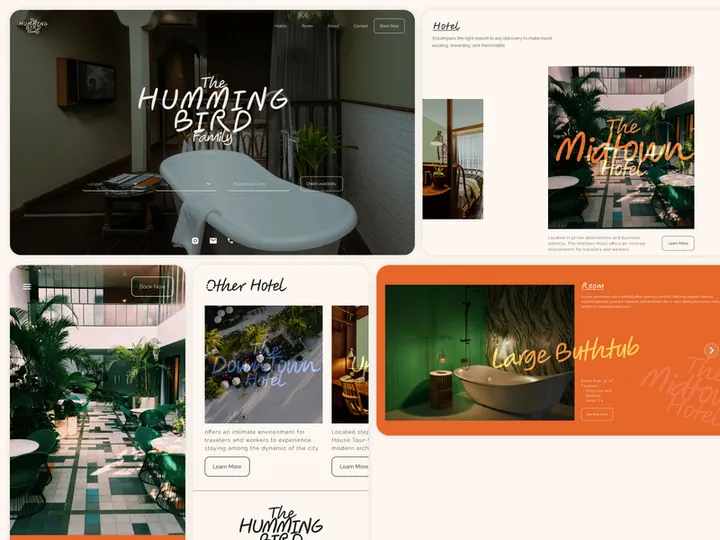
Vintage style has found a surprising yet effective place in digital interfaces. While modern web design often leans toward flat, clean layouts, vintage-inspired websites use textured backgrounds, retro navigation buttons, and stylized typography to create immersive brand experiences. Think of coffee shops, craft breweries, or boutique fashion labels using vintage templates to reflect authenticity and heritage. Subtle grain overlays, parchment-like textures, and scrollable layouts that mimic old catalogues make these sites feel both nostalgic and engaging. Animations are often understated—such as typewriter effects or paper-flip transitions—to maintain the analog illusion without sacrificing usability.
Print & Branding
In print and branding, vintage design shines brightest. Logos with ornate borders, retro badges, and classic typography help brands convey tradition, quality, and timelessness. Vintage packaging—especially for food, beverages, and cosmetics—often uses kraft paper textures, embossed labels, and hand-drawn illustrations to evoke artisanal craftsmanship. Many businesses opt for vintage templates to differentiate themselves in crowded markets, using design to communicate heritage even if the brand itself is new. Labels, business cards, and stationery sets from the 46+ resources at EpicPxls offer ready-to-use solutions that preserve the integrity of vintage aesthetics while supporting professional branding goals.
Social Media & Marketing
Social media has embraced vintage trends with open arms. Platforms like Instagram and Pinterest are filled with curated feeds using retro color grading, film filter effects, and vintage typography overlays to create cohesive, nostalgic themes. Marketers use vintage templates for limited-edition product launches, holiday campaigns, and storytelling posts that highlight brand history. Carousel posts styled like old photo albums, quote graphics with distressed edges, and promotional banners featuring 1970s-inspired patterns all contribute to a growing demand for high-quality vintage design assets. With tools like those offered by EpicPxls, even non-designers can create compelling content that resonates emotionally with audiences seeking authenticity in a digital age.
How to Apply Vintage Style to Your Projects
- Choose the right era for your message. Not all vintage looks are the same. Determine whether your project calls for 1950s diner vibes, 1970s psychedelic patterns, or 1920s Art Deco elegance. The 46+ vintage templates at EpicPxls are categorized by era and style, making it easy to find a design that aligns with your brand voice and audience.
- Select a high-quality vintage template. Start with a professionally designed foundation. Look for templates that include authentic textures, realistic aging effects, and flexible layers. EpicPxls offers editable files in formats compatible with popular design software, ensuring smooth customization.
- Preserve the vintage feel during customization. Avoid over-modernizing. When adding new text or images, maintain the original color grading, font choices, and layout structure. Use masking and blending modes to integrate new elements seamlessly into the aged background.
- Use authentic imagery. Source or create photos that match the vintage tone—either by using filters that mimic film photography or by incorporating scanned illustrations and period-accurate graphics. Avoid crisp, high-contrast images unless intentionally juxtaposed for effect.
- Apply subtle texture overlays. Enhance authenticity by adding light grain, paper texture, or halftone patterns. These layers should be low-opacity and non-distracting, serving only to deepen the tactile quality of the design.
- Test across mediums. Ensure your vintage design works both digitally and in print. Adjust contrast and resolution as needed, especially when repurposing a web template for physical materials. The versatility of the 46+ resources at EpicPxls ensures your vintage design maintains integrity across platforms.
Vintage Pairing Guide
Complementary Styles
Vintage design pairs exceptionally well with styles that emphasize authenticity and craftsmanship. Minimalism, when used thoughtfully, can enhance vintage elements by providing breathing room and focus—imagine a clean layout with a single vintage badge or typographic centerpiece. Rustic or farmhouse aesthetics also harmonize naturally, especially in packaging and wedding invitations, where wood textures, linen backgrounds, and calligraphy amplify the nostalgic mood. Industrial design, with its exposed metals and utilitarian forms, complements mid-century and wartime-era vintage themes. Even modern Scandinavian design can blend with softer vintage palettes, creating a balanced fusion of old-world charm and contemporary clarity.
Typography Choices
Typography is the soul of vintage design. For 1920s–1930s Art Deco styles, consider bold geometric sans-serifs with symmetrical flourishes. The 1940s and 1950s favor script fonts and hand-painted signage styles—ideal for diners, cosmetics, or luxury goods. The 1960s and 1970s bring psychedelic swirls, bold serifs, and groovy lettering perfect for music festivals or retro brands. When selecting fonts, look for those with slight imperfections—uneven strokes, ink bleeds, or slight warping—to mimic real-world printing limitations. At EpicPxls, many vintage templates come with recommended font pairings or embedded typefaces that maintain historical accuracy while remaining legible and scalable.
Color Palettes
Vintage color schemes are defined by softness and warmth. Common palettes include sepia and cream for 1920s–1940s designs, pastel pinks and mint greens for 1950s diner aesthetics, and earthy browns, oranges, and avocado tones for 1970s-inspired projects. Navy, mustard, and rust are versatile choices that work across multiple eras. To enhance authenticity, desaturate colors slightly and add a subtle grain or texture layer to mimic aged paper or faded fabric. Avoid pure blacks and neon shades unless intentionally referencing specific decades like the 1980s. The curated 46+ vintage templates at EpicPxls include pre-matched color schemes, making it easy to maintain visual harmony while customizing your design.
Vintage Templates Trends in 2026
As we move into 2026, vintage design continues to evolve beyond mere nostalgia, becoming a strategic tool for storytelling and brand differentiation. One of the most notable trends is the fusion of vintage aesthetics with modern functionality—designers are using vintage templates not just for their look, but for their ability to convey trust, heritage, and authenticity in an increasingly digital world. This is especially evident in industries like food and beverage, fashion, and wellness, where consumers value transparency and tradition.
Another growing trend is the use of animated vintage elements in digital spaces. Websites and apps are incorporating subtle motion—like flickering neon signs, rotating vinyl records, or gently waving paper textures—to enhance immersion without overwhelming users. These animations are built using lightweight code and are often derived from vintage templates that support both static and dynamic formats. Additionally, sustainability-focused brands are adopting vintage design to emphasize eco-conscious values, using recycled paper textures and muted color palettes to signal a return to simpler, less wasteful times.
Personalization is also shaping the future of vintage templates. With tools that allow for easy customization, more small businesses and independent creators are leveraging vintage designs to craft unique brand identities. The 46+ vintage templates available through EpicPxls reflect this shift, offering modular layouts, editable layers, and responsive designs that adapt to various uses—from social media banners to product packaging. As AI-assisted design becomes more common, vintage templates are being enhanced with smart features like auto-color matching and font pairing suggestions, ensuring that even novice designers can achieve professional results.
Looking ahead, the vintage aesthetic is poised to remain a powerful design language—not as a relic of the past, but as a living, adaptable style that resonates with audiences seeking meaning, warmth, and human touch in their visual experiences. With continued innovation and access to high-quality resources like those at EpicPxls, vintage templates will continue to inspire creativity across industries and platforms.
Why Download from EpicPxls?
Commercial License
Use in personal and commercial projects
No Account Required
Download free resources instantly
Quality Curated
Every resource is reviewed for quality
Preview Files
See Figma and Photoshop files before downloading
Who Uses These Templates?
Professionals and teams who benefit most from our collection
UI/UX Designers
Speed up your workflow with ready-to-use templates for design tools. Perfect for prototyping and client presentations.
Developers
Get production-ready assets without design skills. Export in any format for web and mobile apps.
Startups & Agencies
Save design budget with affordable premium templates. Commercial license included for client work.
Marketing Teams
Create professional campaigns faster. All templates are optimized for social media and ads.
Templates FAQCommon questions about these resources
Simple, Transparent Pricing
Get unlimited access to all premium resources
Yearly
- 20 downloads per month
- All file formats
- Commercial license
Lifetime
- Unlimited downloads forever
- All file formats
- Commercial license
Ready to Get Started?
Access 4,441+ free design resources today.
Browse Free ResourcesView Premium PlansEarn 85% and
more on all sales
Upload your products and put them up
for sale at whatever price you want.


