Templates for PHP: 189+ Resources
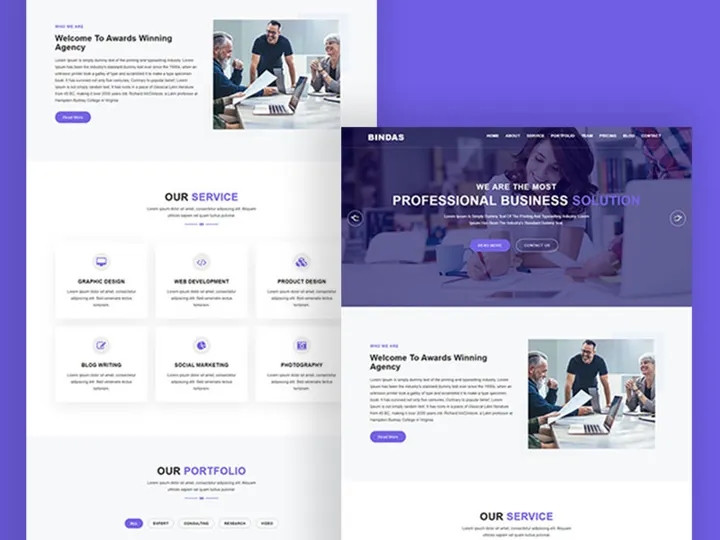
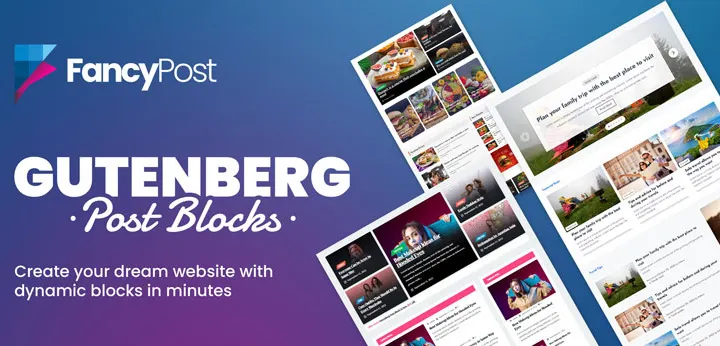
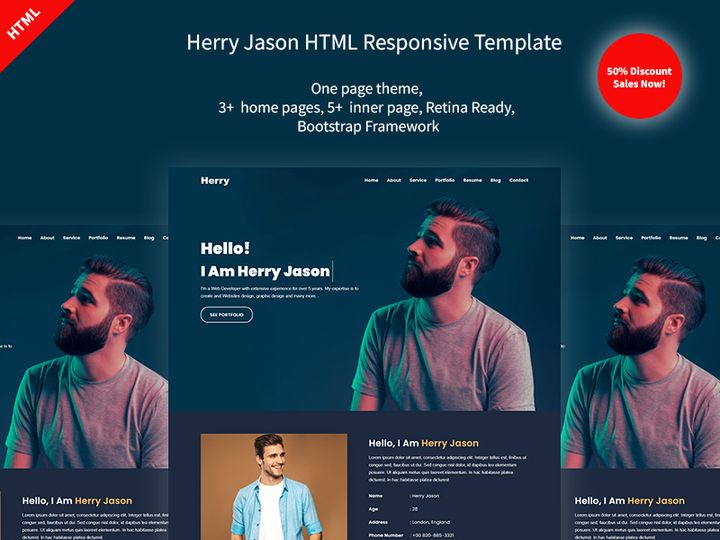
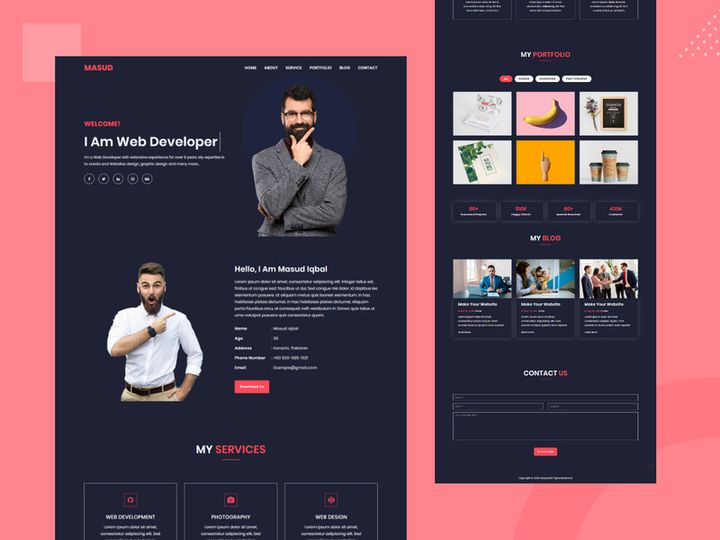
EpicPxls offers 198+ curated templates for PHP, all with a commercial license and editable source files (Figma, Sketch, PSD). We have 198+ templates compatible with PHP, tested and verified for seamless integration.
Last updated February 12, 2026
Discover 189+ handpicked templates for PHP.
Trusted by designers at leading companies
Top Templates for PHP
Handpicked resources from our curated collection
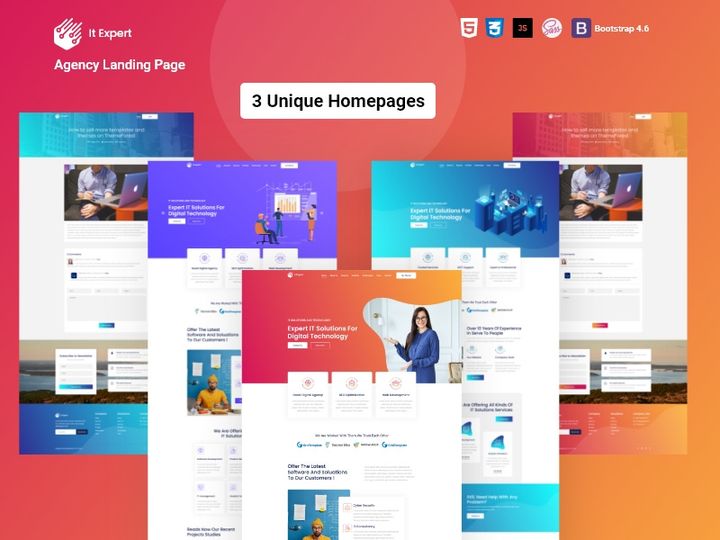
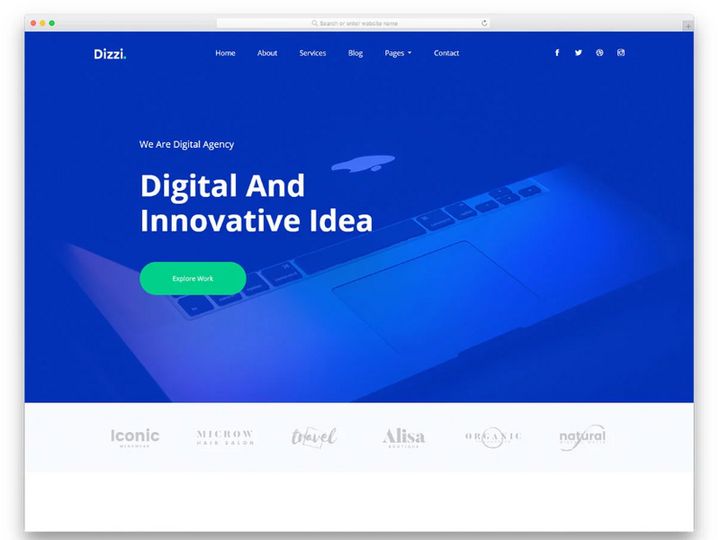
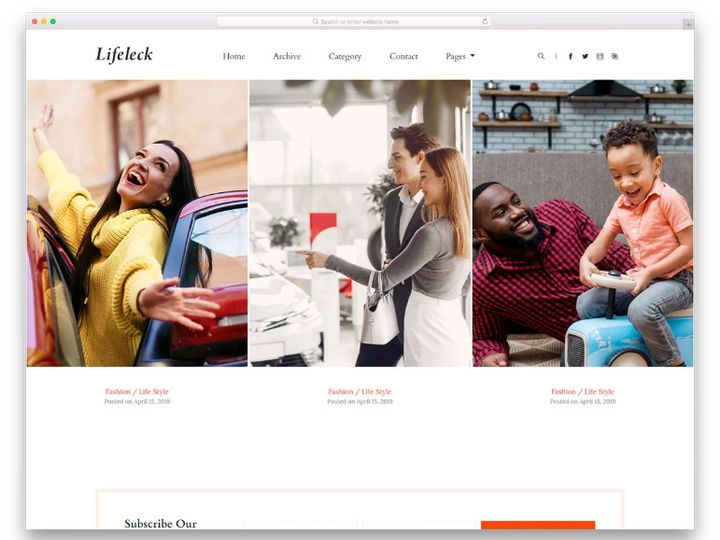
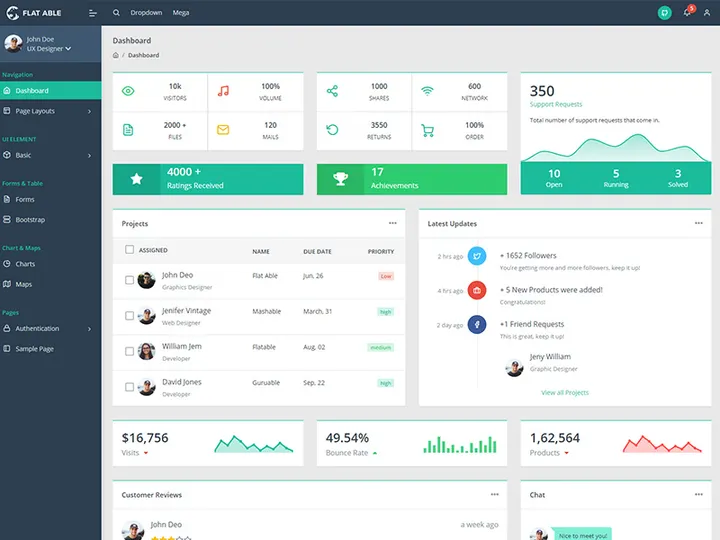

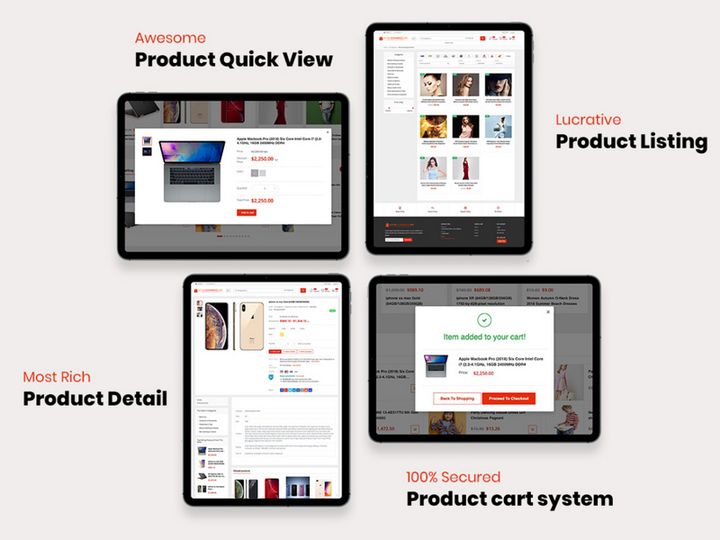
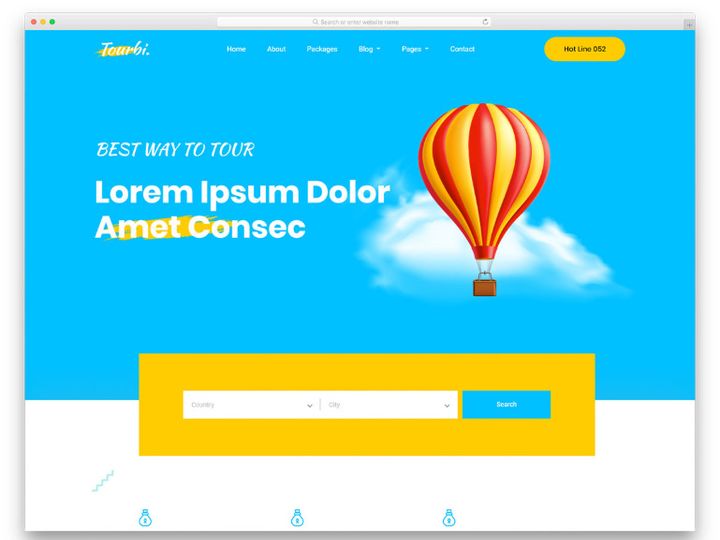

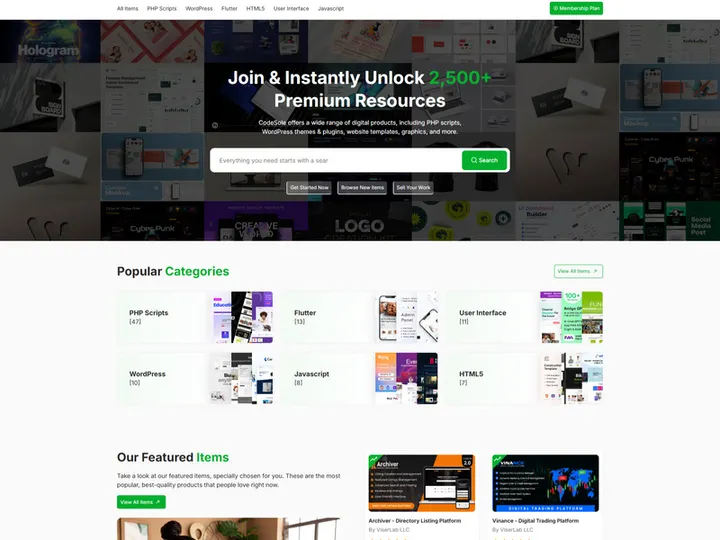





Try Our Free Resources
Download any of these for free - no account required

Why PHP for Templates?
PHP remains one of the most trusted and widely adopted server-side scripting languages for web development, making it an ideal platform for building and managing templates. Its long-standing presence in the web ecosystem has led to a mature, stable environment where developers can create dynamic, reusable content structures with ease. When it comes to templates, PHP offers powerful features such as conditional logic, loops, and variable interpolation—fundamental tools for generating consistent, data-driven layouts across websites, emails, reports, and more.
One of PHP’s greatest strengths is its seamless integration with HTML. Unlike some template engines that require learning a new syntax, PHP allows developers to embed logic directly within HTML markup, making the creation and modification of templates highly intuitive. This hybrid approach enables rapid prototyping and efficient rendering, especially when working with large-scale content management systems or custom web applications.
Additionally, PHP supports a variety of template engines like Twig, Smarty, and Blade (via Laravel), which extend its functionality by offering cleaner syntax, template inheritance, and enhanced security features such as automatic output escaping. These engines complement PHP’s core capabilities, giving developers flexibility in choosing the right tool for their project.
At EpicPxls, we recognize the versatility and reliability PHP brings to template development. That’s why we’ve curated a comprehensive collection of over 189+ high-quality, PHP-compatible template resources. Each item is evaluated for compatibility, documentation clarity, and real-world usability, ensuring developers at every level can find trustworthy tools to streamline their workflow. Whether you're building a simple blog theme or a complex dashboard interface, the PHP ecosystem—backed by our hand-picked 189+ resources—offers everything needed to create efficient, maintainable, and scalable templates.
Top Templates Picks for PHP
With such a broad selection of PHP templates available, choosing the right one can significantly impact your project’s efficiency and scalability. Our team at EpicPxls has reviewed and categorized over 189+ resources to help you find the perfect fit, whether you're just starting out or managing enterprise-level applications. Below, we highlight top picks based on ease of use, functionality, and value.
Best for Beginners
If you're new to PHP or templating in general, starting with simple, well-documented options is crucial. Look for templates that use plain PHP syntax with minimal dependencies and include clear README files or setup guides. Lightweight starter kits, such as basic admin dashboards or blog layouts, are excellent entry points. Many beginner-friendly templates also come with visual examples and inline comments, helping you understand how variables and loops are used within the structure. EpicPxls highlights several such resources that reduce the learning curve and let newcomers focus on building rather than debugging.
Best for Professionals
For experienced developers, robustness and extensibility are key. The best professional-grade PHP templates leverage modern frameworks like Laravel or Symfony and integrate with advanced templating engines such as Twig or Blade. These templates often include features like modular components, internationalization support, responsive design, and built-in security practices. They’re designed for scalability, making them suitable for SaaS platforms, e-commerce systems, and enterprise content management. Among the 189+ resources curated by EpicPxls, several stand out for their clean architecture, reusable partials, and compatibility with CI/CD pipelines, empowering teams to maintain consistency across large projects.
Best Free Options
High-quality doesn’t always mean high cost. There are numerous free PHP templates that deliver exceptional value without compromising on design or functionality. From open-source admin panels to minimalist website themes, these free resources are perfect for developers on a budget or for prototyping ideas quickly. Many are actively maintained by communities and include responsive layouts, cross-browser compatibility, and documentation. EpicPxls ensures that even free templates in our collection meet strict quality benchmarks—no broken links, outdated code, or poor structure. With over 189+ resources to choose from, you’ll find reliable free options that perform just as well as premium alternatives.
PHP vs Other Tools for Templates
When evaluating tools for template development, PHP holds a unique position due to its deep integration with web servers and native HTML support. Unlike client-side solutions like JavaScript-based templating (e.g., Handlebars or Mustache), PHP processes templates on the server, allowing for dynamic content generation before the page reaches the user. This results in faster initial load times and better SEO performance, as search engines receive fully rendered HTML.
Compared to standalone template engines or static site generators, PHP offers greater flexibility in handling backend logic. For instance, PHP templates can directly query databases, interact with APIs, and apply user-specific conditions without requiring additional layers of complexity. This tight coupling between data and presentation simplifies development for dynamic websites such as blogs, forums, or e-commerce platforms.
The PHP ecosystem also supports a wide range of format compatibilities, including HTML, XML, JSON, and even PDF generation through libraries like TCPDF or DomPDF. This versatility makes PHP templates suitable not only for web pages but also for generating reports, invoices, and emails programmatically. While other tools may specialize in one area, PHP’s broad capabilities allow developers to manage diverse templating needs within a single environment.
EpicPxls leverages these advantages when curating our 189+ resources, ensuring each template takes full advantage of PHP’s native strengths while maintaining compatibility across different hosting environments and PHP versions. Whether you're comparing PHP to Python, Ruby, or Node.js templating systems, the maturity, performance, and widespread adoption of PHP make it a compelling choice for both simple and complex projects.
Setting Up Templates in PHP
Integrating templates into your PHP project is a straightforward process when you follow best practices. Whether you're using native PHP files as templates or leveraging a dedicated engine, proper setup ensures maintainability and performance. Below is a step-by-step guide to help you import, organize, and begin using the 189+ resources available through EpicPxls.
- Choose Your Template Type: Decide whether you’ll use raw PHP templates or a third-party engine like Twig or Smarty. For beginners, plain PHP templates are easiest to start with.
- Download and Extract: Obtain your chosen template from the curated 189+ resources. Extract the files to your project directory, preferably within a dedicated
/templatesfolder. - Organize File Structure: Group related templates (e.g., headers, footers, pages) into subdirectories. This improves navigation and makes updates easier.
- Configure Autoloading and Paths: Set up your PHP script to include template files using absolute or relative paths. Consider defining a base path constant to avoid hardcoding.
- Pass Data Securely: Use functions or classes to prepare and sanitize data before injecting it into templates. Avoid direct variable exposure to prevent injection vulnerabilities.
- Test and Iterate: Load a sample page and verify that all components render correctly. Check for broken assets, missing variables, and responsive behavior across devices.
For larger projects, consider using a front controller pattern or a lightweight framework to manage routing and template rendering consistently. Managing a growing library becomes easier when templates follow naming conventions and include version metadata. With EpicPxls’ 189+ resources, many templates come pre-structured for immediate use, reducing setup time and helping you focus on customization and deployment.
PHP Workflow Tips
Efficiency in template development isn’t just about choosing the right file—it’s about establishing a sustainable workflow. As your collection of templates grows, especially when working with a rich set like the 189+ resources from EpicPxls, adopting smart practices ensures consistency, reduces errors, and enhances collaboration.
Organizing Templates Libraries
Create a logical folder hierarchy based on function, such as /emails, /admin, or /public. Use descriptive file names and include README files for complex templates. Consider tagging or categorizing templates by project type, framework, or design system to speed up retrieval. Version control via Git also helps track changes and revert when needed.
Batch Operations
When managing multiple templates, automate repetitive tasks like minification, asset linking, or variable replacement. Use PHP scripts or CLI tools to process folders of templates in bulk. For example, a simple loop can inject a new tracking script into all header files or update copyright years across templates. Automation saves time and reduces human error, especially when maintaining large libraries from the 189+ resources.
Collaboration Best Practices
For team environments, standardize coding styles using PHP-CS-Fixer or similar tools. Document template variables and expected data formats so all members understand how to use them. Store shared templates in a centralized repository with clear contribution guidelines. Use comments within templates to explain logic blocks, particularly if non-developers (like designers) will interact with them. EpicPxls encourages these practices by providing well-documented, cleanly structured templates that support smooth team integration.
Why Download from EpicPxls?
Commercial License
Use in personal and commercial projects
No Account Required
Download free resources instantly
Quality Curated
Every resource is reviewed for quality
Preview Files
See Figma and Photoshop files before downloading
Who Uses These Templates?
Professionals and teams who benefit most from our collection
UI/UX Designers
Speed up your workflow with ready-to-use templates for PHP. Perfect for prototyping and client presentations.
Developers
Get production-ready assets without design skills. Export in any format for web and mobile apps.
Startups & Agencies
Save design budget with affordable premium templates. Commercial license included for client work.
Marketing Teams
Create professional campaigns faster. All templates are optimized for social media and ads.
Templates for PHP FAQCommon questions about these resources
Simple, Transparent Pricing
Get unlimited access to all premium resources
Yearly
- 20 downloads per month
- All file formats
- Commercial license
Lifetime
- Unlimited downloads forever
- All file formats
- Commercial license
Ready to Get Started?
Access 4,441+ free design resources today.
Browse Free ResourcesView Premium PlansEarn 85% and
more on all sales
Upload your products and put them up
for sale at whatever price you want.


