Vintage Illustrations: 127+ Vintage Designs
EpicPxls offers 24+ curated illustrations, all with a commercial license and editable source files (Figma, Sketch, PSD). Vintage illustrations are characterized by specific visual elements, typography choices, and color palettes that define the vintage aesthetic in design.
Last updated July 12, 2026
Discover 127+ curated vintage illustrations for your projects.
Trusted by designers at leading companies
Top Illustrations
Handpicked resources from our curated collection
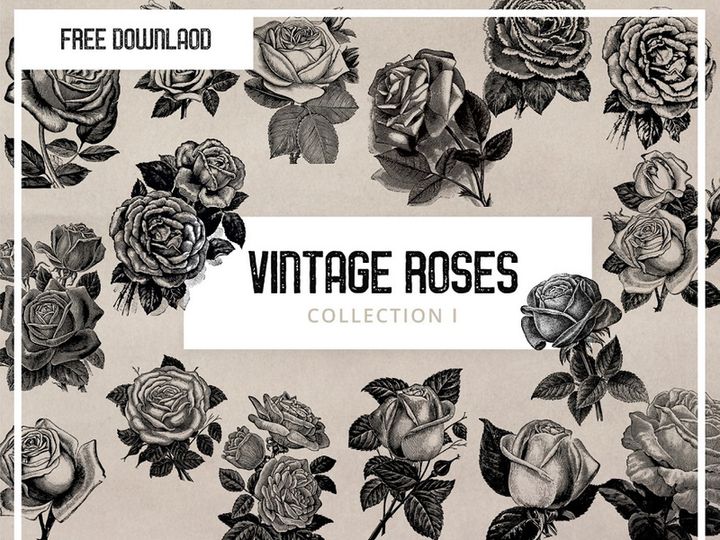


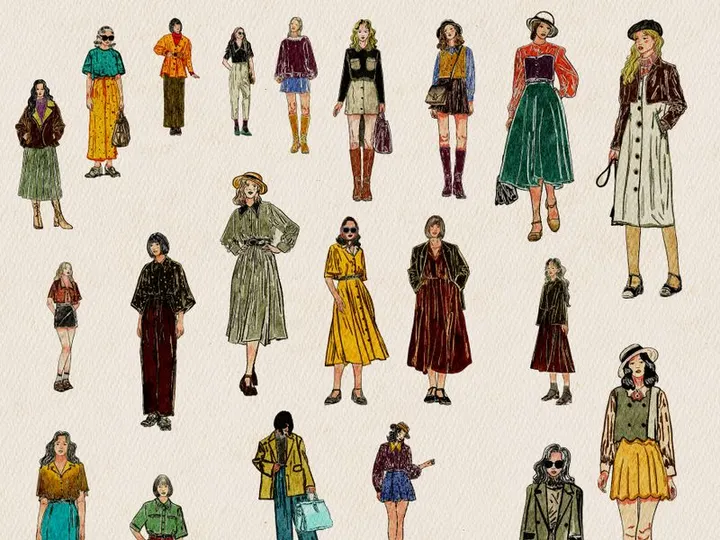
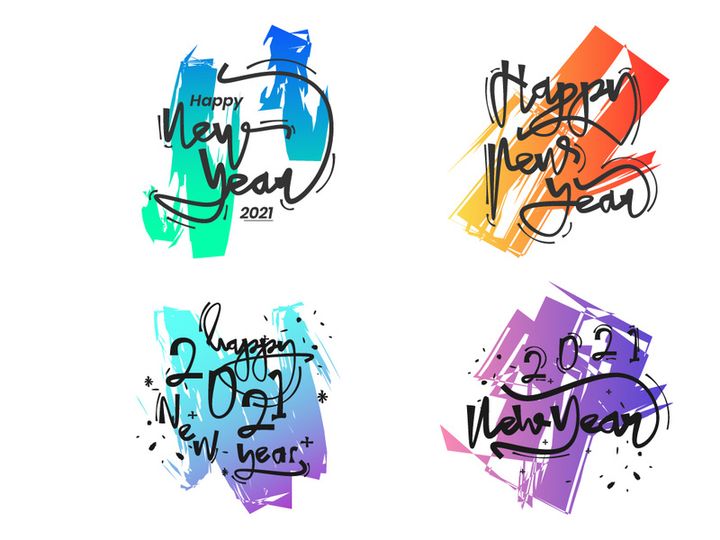




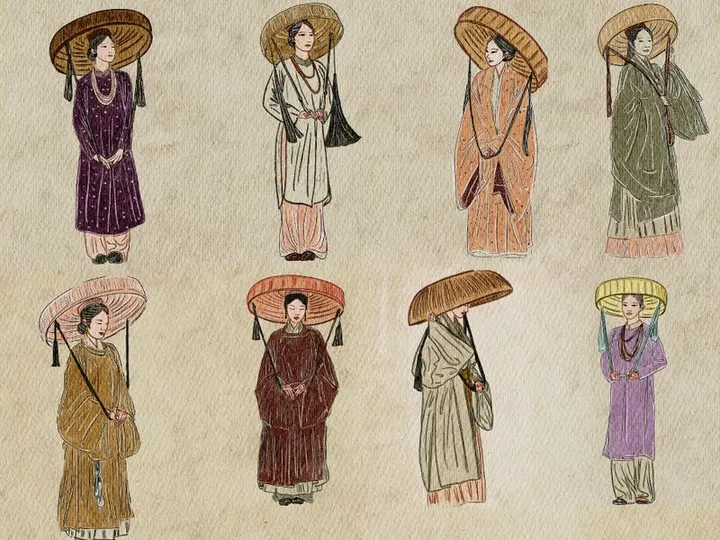



Try Our Free Resources
Download any of these for free - no account required
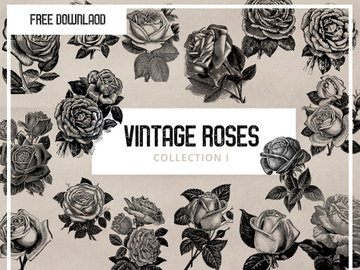
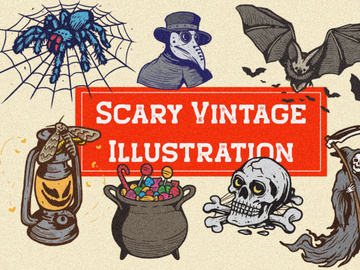
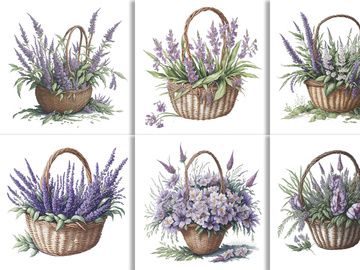
Vintage Design Principles
Vintage illustrations evoke a timeless charm that bridges the past and present, offering a nostalgic yet relevant aesthetic in modern design. What makes vintage design distinctive is its deliberate departure from sleek minimalism, favoring instead a rich tapestry of textures, hand-drawn details, and period-specific motifs. This design style captures the visual language of bygone eras—ranging from the ornate elegance of the Victorian age to the bold simplicity of mid-century modernism—giving projects a unique character grounded in historical authenticity.
At the heart of vintage design are several core visual elements. Typography plays a pivotal role, often featuring serif fonts, hand-lettered scripts, or distressed lettering that reflects printing techniques of the time. These fonts are not merely decorative; they communicate era-specific moods, whether it’s the playful whimsy of 1950s diner signs or the authoritative gravitas of 1920s newspaper mastheads. Color palettes are equally important, typically composed of muted tones like sepia, olive green, mustard yellow, and faded reds. These hues mimic the natural aging of paper and ink, lending a weathered, authentic feel to the visuals.
Spacing and composition in vintage design often embrace asymmetry and organic flow, mirroring the hand-crafted nature of historical artwork. Unlike the rigid grids of contemporary layouts, vintage illustrations frequently feature uneven margins, overlapping elements, and hand-drawn borders, which add depth and personality. Imagery is another defining trait—detailed engravings, botanical sketches, retro advertisements, and sepia-toned portraits are common, each carrying cultural and historical weight.
The evolution of the vintage aesthetic reflects broader cultural shifts. From the elaborate flourishes of the 1800s to the streamlined art deco motifs of the 1930s, and the psychedelic patterns of the 1960s, each era has contributed to today’s interpretation of vintage style. Designers now draw from this diverse lineage, curating elements that resonate with modern audiences while preserving the soul of the past. Platforms like EpicPxls offer access to over 127+ vintage illustrations that encapsulate these principles, making it easier than ever to integrate authentic vintage charm into contemporary projects.
Inspiring Vintage Illustrations Examples
Web & App Design
Vintage style has found a surprising yet effective home in digital interfaces. By incorporating vintage illustrations, websites and apps can stand out with a sense of warmth and storytelling. Think of a coffee shop’s website using 1940s-style café illustrations or a music streaming app featuring retro record player graphics inspired by the 1960s. These visuals create an emotional connection with users, evoking nostalgia and authenticity. Designers often layer scanned textures, use parchment-like backgrounds, and integrate classic typography to maintain the vintage feel without sacrificing usability. The key is balancing aesthetic richness with clean navigation so that the design enhances, rather than hinders, the user experience.
Print & Branding
In print and branding, vintage illustrations lend credibility and heritage to a product or company. Craft breweries, artisanal food brands, and boutique shops frequently use vintage-inspired labels and packaging to suggest tradition, quality, and craftsmanship. A well-placed 1920s-style botanical illustration or a 1950s travel poster motif can instantly communicate a brand’s values. These designs often feature intricate borders, embossed textures, and classic color schemes that elevate physical products on the shelf. With 127+ resources available, EpicPxls provides designers with a rich library of customizable illustrations that can be tailored to suit any brand’s identity while maintaining a cohesive vintage narrative.
Social Media & Marketing
Vintage trends are thriving in social media and digital marketing, where visual storytelling is paramount. Campaigns that use vintage illustrations often see higher engagement due to their distinctiveness and emotional appeal. For instance, a lifestyle brand might use 1970s-inspired floral patterns in Instagram posts to promote a retro-themed product line. Animated vintage-style graphics, such as looping GIFs of old-fashioned cameras or typewriters, add dynamic flair to digital ads. These elements resonate particularly well with audiences seeking authenticity in an oversaturated digital landscape. By drawing on historical design cues, marketers create content that feels both familiar and fresh, leveraging nostalgia as a powerful tool for connection.
How to Apply Vintage Style to Your Projects
- Select appropriate vintage illustrations from EpicPxls that match the era and mood you’re aiming to convey. Whether it’s Art Deco elegance or rustic farmhouse charm, choosing the right base image is crucial for authenticity.
- Adjust scale and placement thoughtfully. Vintage design often favors off-center compositions and layered elements. Avoid rigid symmetry; instead, experiment with overlapping text and imagery for a hand-crafted look.
- Incorporate texture to enhance realism. Add subtle paper grain, ink bleed, or light distressing effects to digital illustrations to mimic the tactile quality of vintage prints.
- Customize colors using period-appropriate palettes. Desaturate bright tones and opt for earthy, faded hues. Use color adjustment tools to age illustrations gently, preserving their integrity while deepening the vintage effect.
- Pair with complementary typography. Choose fonts that align with the illustration’s era—such as serif faces for early 20th-century styles or bold sans-serifs for mid-century modern looks. Avoid overly modern or geometric typefaces unless used sparingly for contrast.
- Maintain balance between authenticity and clarity. While vintage design celebrates imperfection, ensure that key messages remain legible and accessible. Use clear hierarchy and adequate contrast to guide the viewer’s eye without sacrificing style.
By following these steps and utilizing the 127+ resources available at EpicPxls, designers can seamlessly integrate vintage illustrations into logos, packaging, websites, and digital campaigns with confidence and creativity.
Vintage Pairing Guide
Complementary Styles
Vintage design doesn’t exist in isolation—it thrives when paired with complementary aesthetics. Minimalism, for example, can provide a clean backdrop that allows vintage illustrations to take center stage. A simple white layout with a single 1930s-style travel poster creates striking visual contrast. Rustic and farmhouse styles also blend seamlessly with vintage illustrations, especially when using botanical prints, hand-drawn animals, or antique maps. For a more eclectic approach, consider combining vintage elements with bohemian patterns or artisanal textures like burlap and wood grain. Even modern industrial design can benefit from a touch of vintage flair—imagine exposed brick walls paired with retro signage in a café interior. The key is to maintain thematic consistency so that the fusion feels intentional rather than chaotic.
Typography Choices
Typography is one of the most powerful tools in a vintage designer’s arsenal. For early 20th-century themes, consider using serif fonts with ornate detailing, such as those inspired by Victorian engraving or Art Nouveau posters. Script fonts with flourishes work well for 1920s–1940s aesthetics, especially in wedding invitations or luxury branding. Mid-century modern designs call for clean yet characterful sans-serifs with geometric influences, reminiscent of 1950s advertising. When working with digital tools, look for fonts that include alternate characters or ligatures to mimic hand-set type. Many of the vintage illustrations available through EpicPxls are designed to harmonize with these classic typefaces, ensuring your project maintains visual coherence across all elements.
Color Palettes
Authentic vintage color schemes draw from the limitations and materials of their time. Sepia and cream tones emulate aged paper, while olive green, rust orange, and navy blue reflect the natural pigments used in early printing. For 1950s and 1960s themes, consider incorporating soft pastels like mint green, coral, and butter yellow. These palettes evoke the optimism of post-war design. To create depth, layer complementary muted tones—avoid oversaturation, as bright neon colors can break the vintage illusion. Tools like color overlays and gradient maps can help unify illustrations and backgrounds. Whether you're designing a label, website, or social media campaign, using historically inspired color palettes ensures your vintage illustrations feel grounded and believable.
Vintage Illustrations Trends in 2026
As we move into 2026, vintage illustrations continue to evolve, blending historical authenticity with contemporary digital techniques. One of the most notable trends is the resurgence of hand-drawn, analog aesthetics in a digital world. Designers are increasingly seeking out illustrations that feel personal and human-made, reacting against the uniformity of AI-generated imagery. This has led to a renewed appreciation for ink sketches, watercolor textures, and scanned archival artwork—all hallmarks of the vintage style. Platforms like EpicPxls are responding by expanding their libraries with 127+ curated, high-resolution vintage illustrations that cater to this demand for tactile authenticity.
Another emerging trend is the hybridization of vintage with modern themes. Think retro-futurism—pairing 1950s space-age motifs with sleek UI design—or eco-conscious branding that uses 1970s naturalism to promote sustainability. These fusions allow brands to tap into nostalgia while addressing current values. Additionally, motion design is bringing vintage illustrations to life through subtle animations—imagine a 1940s-style apothecary bottle gently steaming on a webpage, or a vintage compass rotating in a travel app. These dynamic touches enhance engagement without compromising the nostalgic essence.
Looking ahead, the vintage illustration trend is shifting toward greater inclusivity and global representation. Designers are exploring vintage aesthetics from non-Western cultures—such as Japanese ukiyo-e prints, Indian lithographs, or mid-century Latin American posters—expanding the definition of “vintage” beyond Eurocentric styles. This broader perspective enriches the visual language and makes vintage design more versatile and culturally resonant. As digital tools become more sophisticated, the line between historical reproduction and creative reinterpretation will continue to blur—ensuring that vintage illustrations remain not just a tribute to the past, but a living, evolving design movement.
Why Download from EpicPxls?
Commercial License
Use in personal and commercial projects
No Account Required
Download free resources instantly
Quality Curated
Every resource is reviewed for quality
Preview Files
See Figma and Photoshop files before downloading
Who Uses These Illustrations?
Professionals and teams who benefit most from our collection
UI/UX Designers
Speed up your workflow with ready-to-use illustrations for design tools. Perfect for prototyping and client presentations.
Developers
Get production-ready assets without design skills. Export in any format for web and mobile apps.
Startups & Agencies
Save design budget with affordable premium illustrations. Commercial license included for client work.
Marketing Teams
Create professional campaigns faster. All illustrations are optimized for social media and ads.
Illustrations FAQCommon questions about these resources
Simple, Transparent Pricing
Get unlimited access to all premium resources
Yearly
- 20 downloads per month
- All file formats
- Commercial license
Lifetime
- Unlimited downloads forever
- All file formats
- Commercial license
Ready to Get Started?
Access 4,441+ free design resources today.
Browse Free ResourcesView Premium PlansEarn 85% and
more on all sales
Upload your products and put them up
for sale at whatever price you want.


