Vintage Icons: 15+ Vintage Designs
EpicPxls offers 15+ curated icons, all with a commercial license and editable source files (Figma, Sketch, PSD). Vintage icons are characterized by specific visual elements, typography choices, and color palettes that define the vintage aesthetic in design.
Last updated February 12, 2026
Discover 15+ curated vintage icons for your projects.
Trusted by designers at leading companies
Top Icons
Handpicked resources from our curated collection
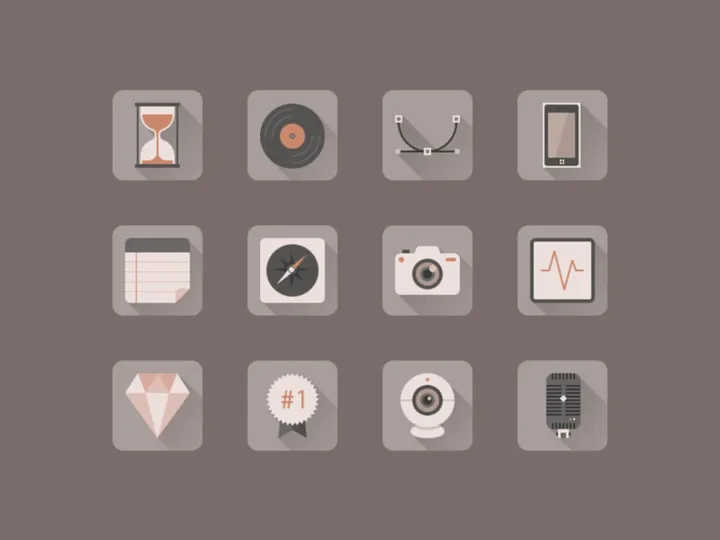

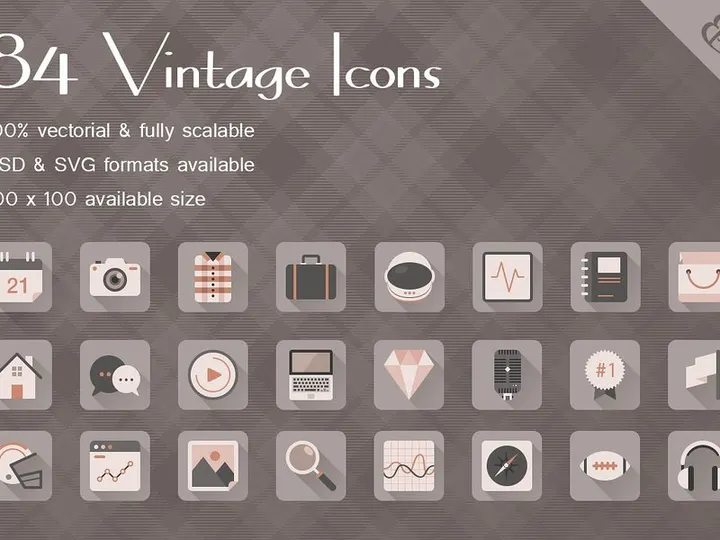
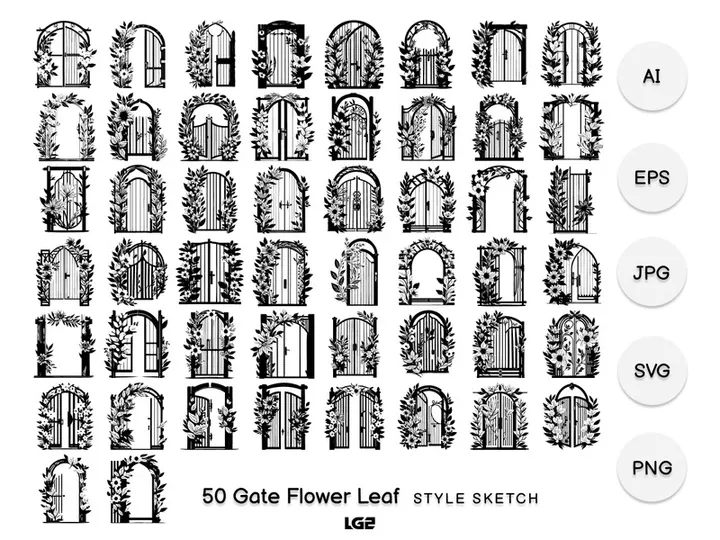
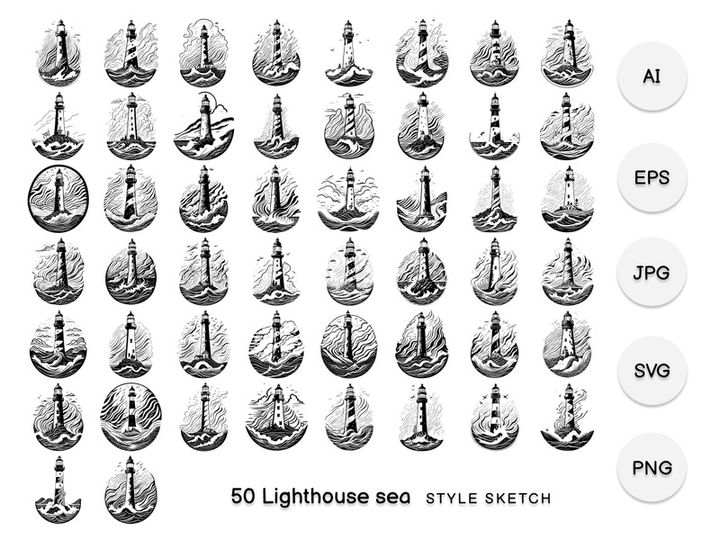
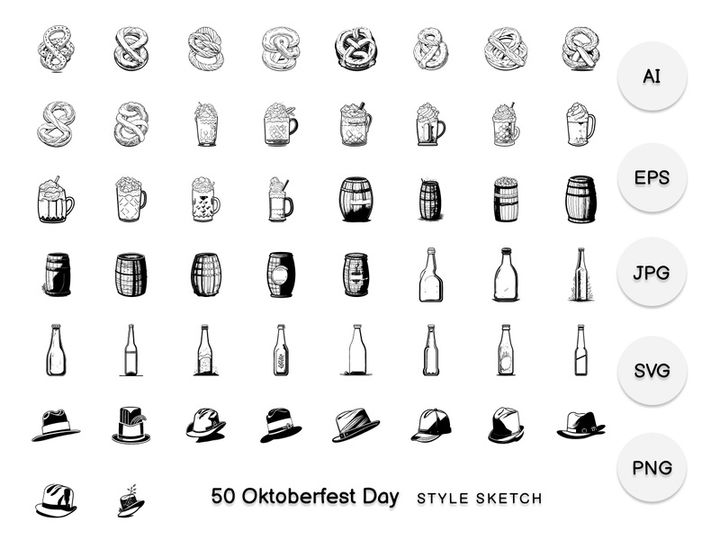
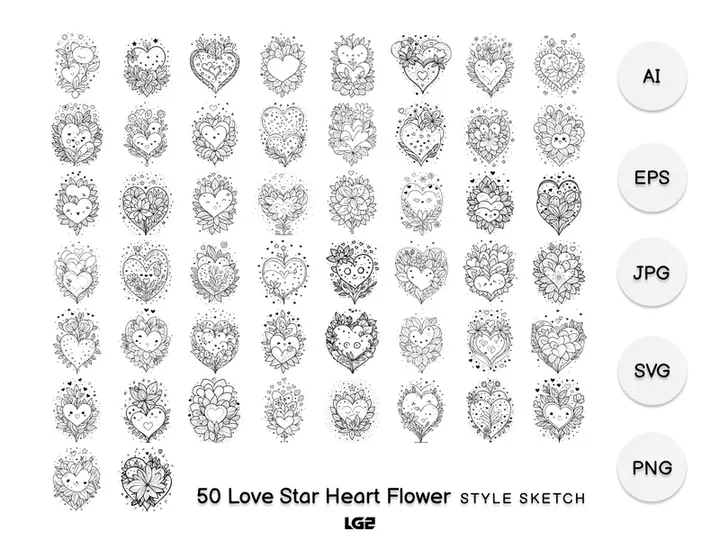

Try Our Free Resources
Download any of these for free - no account required
Vintage Design Principles
Vintage design captures the essence of past decades, blending nostalgia with timeless aesthetics. Unlike retro or antique styles, vintage refers to items and visuals that are at least 20 to 100 years old, typically carrying authenticity and historical charm. In design, vintage elements evoke a sense of heritage, craftsmanship, and cultural richness, making them highly sought after in branding, web design, and digital illustration. The vintage aesthetic is more than just aged visuals—it’s a deliberate use of stylistic cues from the 1920s through the 1980s that communicate warmth, familiarity, and authenticity.
Core visual elements define the vintage look and feel. Typography plays a crucial role, with serif fonts, hand-drawn lettering, and distressed typefaces mimicking the printing techniques of early 20th-century posters and labels. Color palettes are typically muted and earthy—think sepia tones, faded pastels, mustard yellows, olive greens, and soft browns. These colors replicate the natural aging of paper and ink over time, giving designs an authentic, weathered appearance. Spacing and layout also follow period-specific styles, often embracing asymmetry, generous margins, and ornate borders reminiscent of old advertisements and signage.
Imagery in vintage design frequently includes grainy textures, halftone patterns, and hand-illustrated icons that reflect the limitations and techniques of historical printing methods. Icons may feature slight imperfections, such as ink bleeds or uneven lines, to enhance their analog appeal. The evolution of vintage design has been influenced by major cultural movements—from Art Deco in the 1920s and mid-century modernism in the 1950s to psychedelic graphics in the 1970s. Each era contributes unique motifs, such as geometric shapes, floral patterns, or bold typography, which continue to inspire modern interpretations.
Today, designers leverage digital tools to recreate these vintage traits with precision. Platforms like EpicPxls offer 15+ resources that encapsulate authentic vintage iconography, enabling creators to integrate period-accurate visuals into contemporary projects. Whether reviving 1950s diner culture or channeling 1970s retro-futurism, understanding the foundational principles of vintage design ensures that the final output feels both authentic and intentional.
Inspiring Vintage Icons Examples
Web & App Design
Vintage icons have found a surprising yet effective place in modern web and app interfaces. Designers use them to create unique brand identities that stand out in a sea of minimalist, flat-design trends. For example, a coffee shop’s website might feature vintage-style coffee cup, record player, or typewriter icons to communicate a cozy, nostalgic atmosphere. These icons often appear in navigation menus, loading screens, or call-to-action buttons, subtly reinforcing the brand’s heritage and personality. When integrated thoughtfully, vintage icons enhance user experience by evoking emotional connections and storytelling elements that purely modern graphics may lack.
Print & Branding
In print and branding, vintage icons are instrumental in establishing authenticity and trust. Craft breweries, artisanal food labels, and boutique shops often adopt vintage-inspired icon sets to suggest tradition, quality, and handcrafted excellence. Labels featuring retro-style illustrations of hops, wheat, or mason jars tap into consumers’ emotional associations with simpler times and natural ingredients. These icons are frequently paired with distressed textures, embossed effects, and classic typography to mimic the look of old packaging. With access to 15+ resources from curated libraries like EpicPxls, brands can select icons that align precisely with their desired era and aesthetic, ensuring consistency across business cards, packaging, and promotional materials.
Social Media & Marketing
Vintage icons are also gaining momentum in social media and digital marketing campaigns. Marketers use them to create themed content calendars, limited-edition promotions, or nostalgic storytelling posts. A travel agency might use 1960s-style airplane or suitcase icons to promote a “retro adventure” package, while a fashion brand could incorporate 1970s-inspired bell-bottom or camera icons to highlight a vintage clothing line. These visuals not only attract attention but also encourage engagement by triggering emotional memories and cultural references. Platforms like Instagram and Pinterest have seen a surge in vintage-themed graphics, with curated icon sets helping creators maintain visual cohesion across posts, stories, and ads.
How to Apply Vintage Style to Your Projects
- Select authentic vintage icons from trusted sources. Begin by exploring curated collections such as those offered by EpicPxls, which provide 15+ resources designed with historical accuracy and artistic detail. Look for icons that reflect the specific decade or cultural movement you’re inspired by—whether it’s 1940s wartime posters or 1980s neon aesthetics.
- Customize with care to preserve the vintage feel. While editing icons, avoid over-smoothing or over-sharpening. Use subtle texture overlays like paper grain or film noise to enhance authenticity. Slight imperfections, such as uneven edges or soft shadows, help maintain the analog character.
- Adjust color tones to match vintage palettes. Convert vibrant modern colors to muted, desaturated shades. Apply sepia filters or manually tweak hues to resemble aged ink. Tools like hue/saturation sliders can help you achieve that sun-bleached or weathered look.
- Pair icons with period-appropriate typography. Choose fonts that align with the icon’s era—Art Deco scripts for 1920s themes, bold slab serifs for mid-century designs, or psychedelic lettering for 1970s vibes. Ensure the text complements rather than competes with the icon.
- Use consistent spacing and layout. Apply generous padding, align elements asymmetrically, or incorporate ornamental borders to mimic vintage layouts. Avoid rigid grids unless they reflect a specific historical style, such as 1950s catalog designs.
- Test across platforms for cohesion. Whether for web, print, or mobile, ensure your vintage icons maintain their charm at various sizes and resolutions. Icons from EpicPxls are optimized for scalability, making them ideal for multi-platform use without losing detail.
Vintage Pairing Guide
Complementary Styles
Vintage design pairs exceptionally well with other tactile and heritage-driven aesthetics. Rustic, farm-to-table branding benefits from combining vintage icons with natural textures like burlap, wood grain, or handmade paper. Similarly, vintage elements blend seamlessly with industrial design—exposed brick, metal fixtures, and concrete surfaces enhance the nostalgic feel. Bohemian and artisanal styles also complement vintage icons, especially when layered with macramé patterns, botanical illustrations, or hand-painted details. For modern balance, pair vintage icons with clean, minimalist layouts to avoid visual clutter. This contrast allows the vintage elements to stand out while maintaining overall design clarity.
Typography Choices
Choosing the right typography is essential for reinforcing the vintage narrative. For 1920s–1930s Art Deco themes, consider elegant serif fonts with geometric flourishes, such as those resembling old cinema marquees or luxury posters. The 1940s and 1950s favor bold, condensed sans-serifs and handwritten scripts often seen in wartime propaganda and diner signage. Mid-century modern designs work well with clean yet playful typefaces that echo the optimism of post-war America. For 1960s–1970s vibes, psychedelic fonts with swirling letters and vibrant outlines capture the countercultural spirit. Always ensure legibility—vintage doesn’t mean unreadable. Pair ornate display fonts with simple body text to maintain balance.
Color Palettes
Vintage color schemes draw from the natural fading of materials over time. Common palettes include sepia and cream tones for early 20th-century looks, while 1950s designs favor soft pastels like mint green, coral, and powder blue. The 1970s bring in earthy tones—burnt orange, avocado green, and deep browns—often accented with mustard yellow or rust red. For a timeless vintage feel, limit your palette to three or four colors and use them consistently across your project. Consider adding a subtle gradient or duotone effect to mimic old printing techniques. Icons from EpicPxls are often available in multiple color variants, making it easier to match your chosen palette without sacrificing authenticity.
Vintage Icons Trends in 2026
As we move into 2026, vintage icons are evolving beyond mere nostalgia into a sophisticated design language that bridges past and present. Designers are no longer copying old styles verbatim but are reinterpreting them with modern sensibilities—cleaner lines, smarter layouts, and digital enhancements that preserve vintage charm without sacrificing usability. One major trend is the fusion of vintage icons with sustainable and ethical branding. Companies emphasizing eco-friendliness and slow living are using vintage-style packaging and digital assets to communicate transparency, tradition, and care for craftsmanship.
Another emerging trend is the use of animated vintage icons in digital storytelling. Subtle motion—like a gently spinning record or a flickering neon sign—adds depth to websites and apps while maintaining the retro aesthetic. These animations are often optimized for performance and accessibility, ensuring they enhance rather than distract. Additionally, AI-assisted tools are enabling designers to generate custom vintage icons by applying period-specific filters and textures to original artwork, streamlining the creative process without losing authenticity.
Vintage icons are also becoming more inclusive, representing diverse cultural histories and global design traditions. Rather than focusing solely on Western mid-century aesthetics, contemporary collections include influences from Japanese retro design, Soviet-era graphics, and 1960s Afrocentric motifs. This broader perspective enriches the vintage category and makes it more relevant to today’s audiences. With platforms like EpicPxls continuously expanding their 15+ resources to reflect these global trends, designers have unprecedented access to authentic, culturally resonant icons. As the line between analog nostalgia and digital innovation blurs, vintage icons are poised to remain a vital tool for creating meaningful, emotionally engaging design experiences.
Why Download from EpicPxls?
Commercial License
Use in personal and commercial projects
No Account Required
Download free resources instantly
Quality Curated
Every resource is reviewed for quality
Preview Files
See Figma and Photoshop files before downloading
Who Uses These Icons?
Professionals and teams who benefit most from our collection
UI/UX Designers
Speed up your workflow with ready-to-use icons for design tools. Perfect for prototyping and client presentations.
Developers
Get production-ready assets without design skills. Export in any format for web and mobile apps.
Startups & Agencies
Save design budget with affordable premium icons. Commercial license included for client work.
Marketing Teams
Create professional campaigns faster. All icons are optimized for social media and ads.
Icons FAQCommon questions about these resources
Simple, Transparent Pricing
Get unlimited access to all premium resources
Yearly
- 20 downloads per month
- All file formats
- Commercial license
Lifetime
- Unlimited downloads forever
- All file formats
- Commercial license
Ready to Get Started?
Access 4,441+ free design resources today.
Browse Free ResourcesView Premium PlansEarn 85% and
more on all sales
Upload your products and put them up
for sale at whatever price you want.


