Retro Templates: 19+ Retro Designs
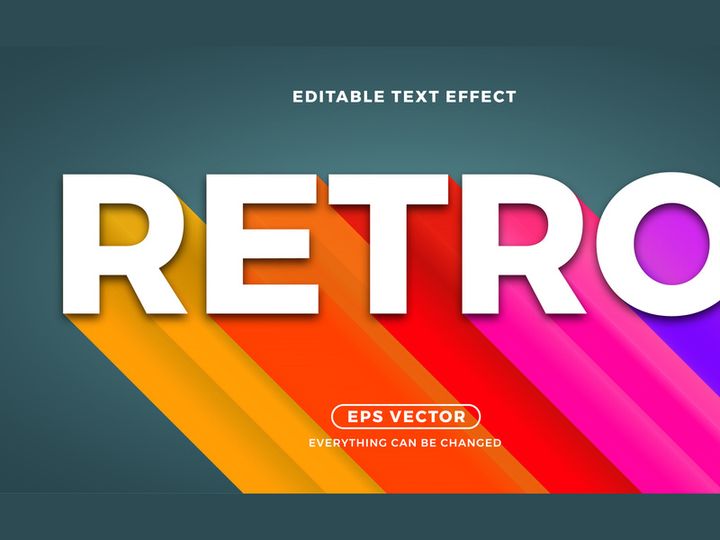
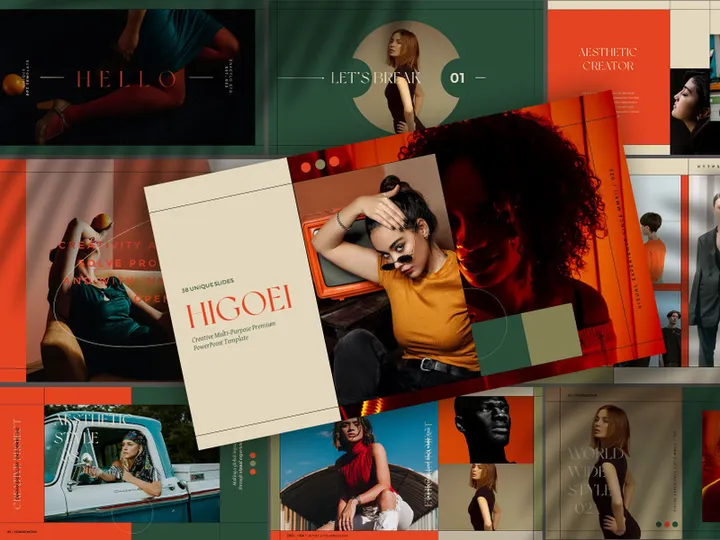
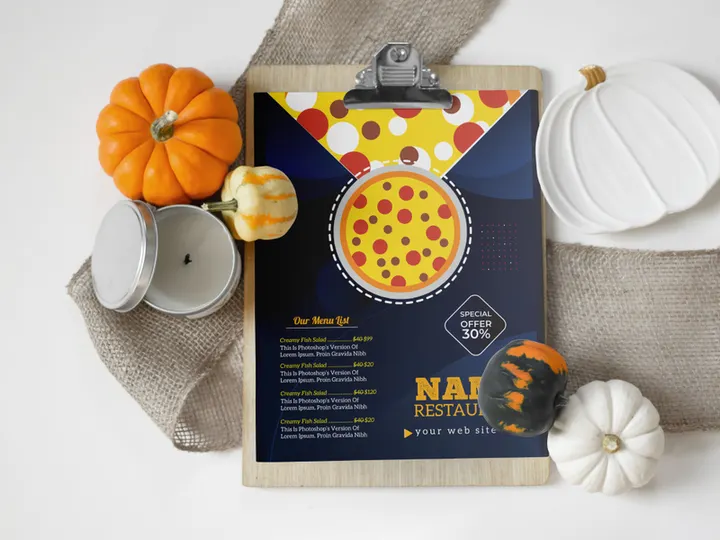
EpicPxls offers 19+ curated templates, all with a commercial license and editable source files (Figma, Sketch, PSD). Retro templates are characterized by specific visual elements, typography choices, and color palettes that define the retro aesthetic in design.
Last updated February 12, 2026
Discover 19+ curated retro templates for your projects.
Trusted by designers at leading companies
Top Templates
Handpicked resources from our curated collection
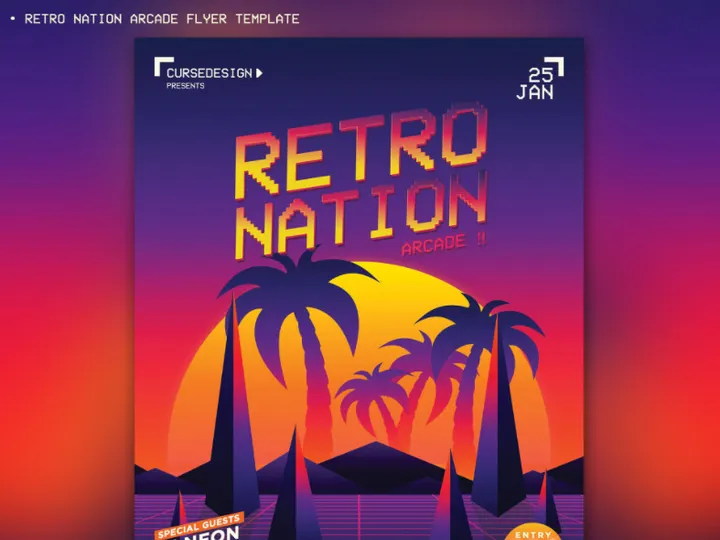
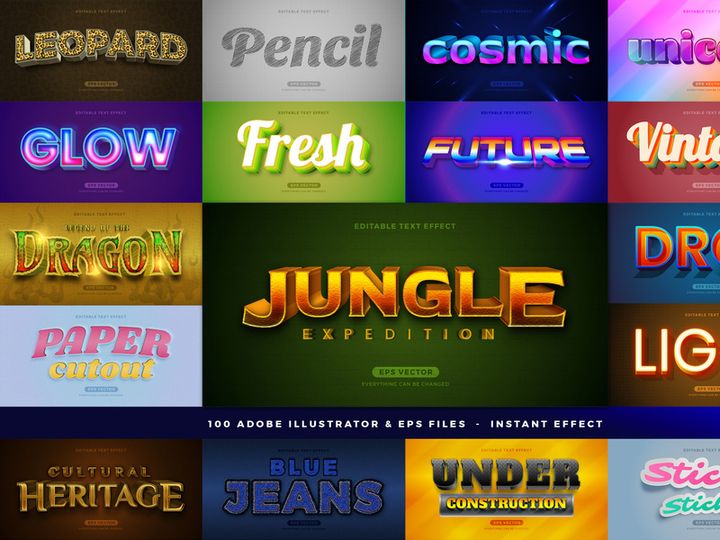
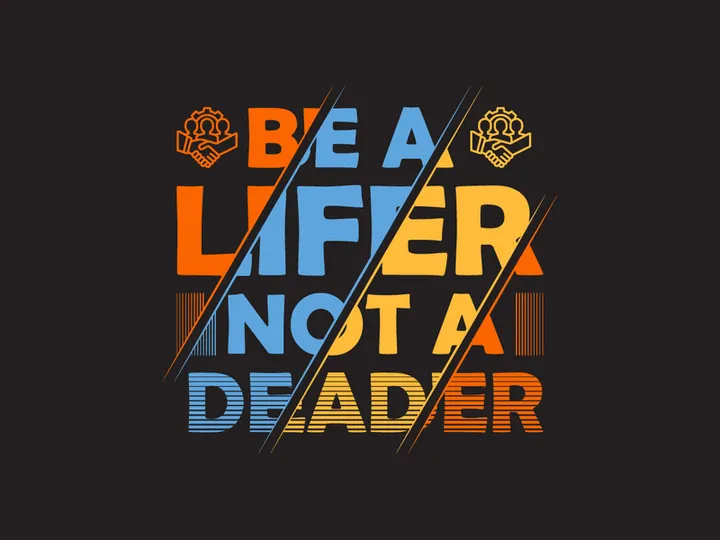
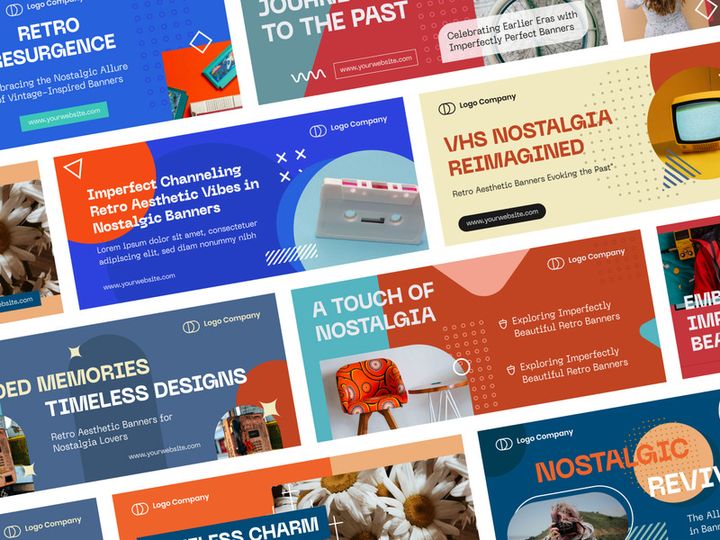
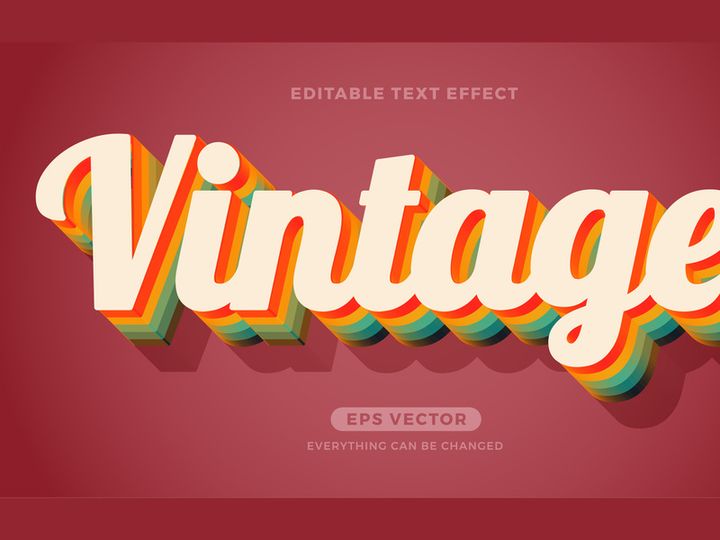
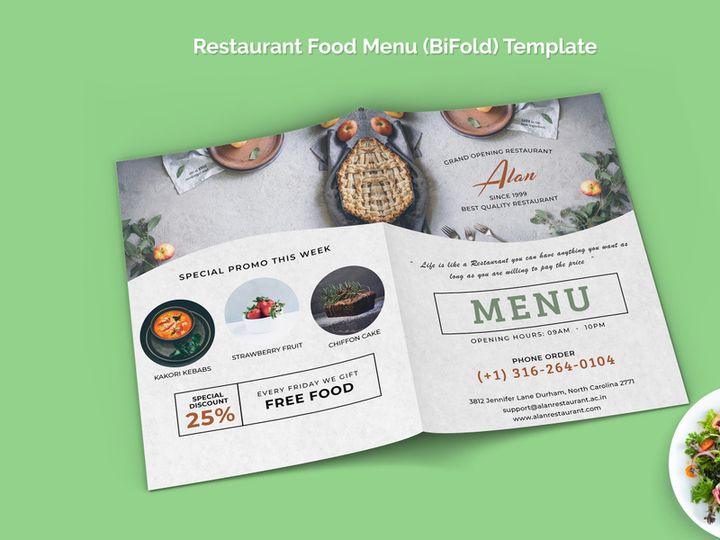
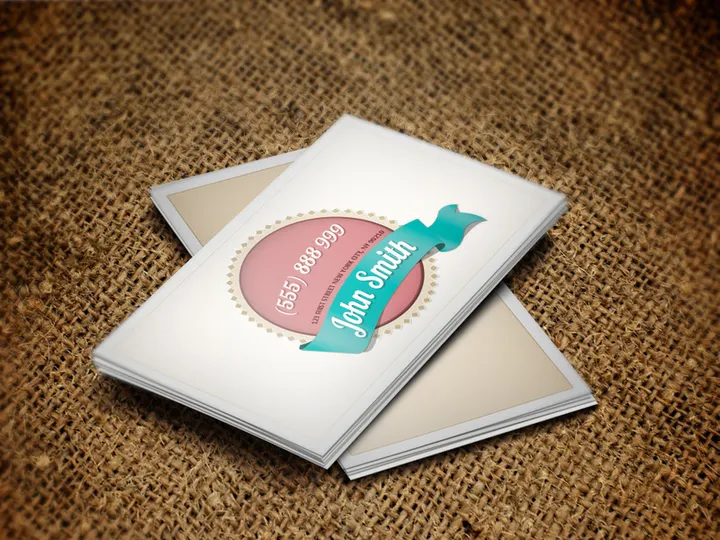


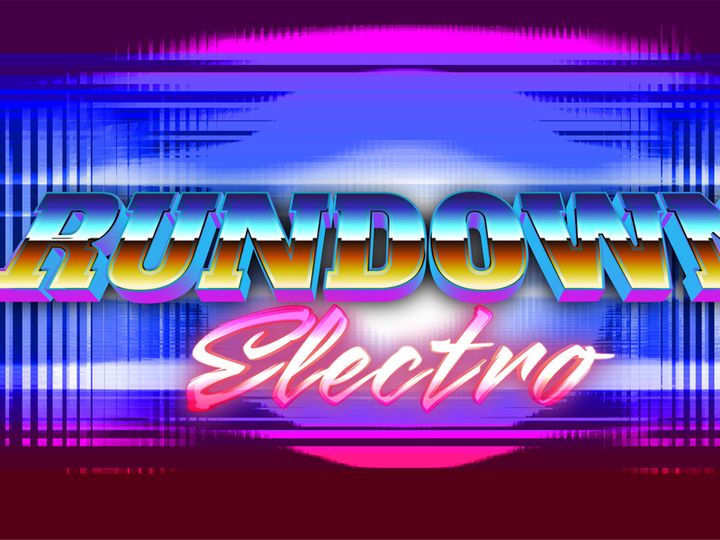

Try Our Free Resources
Download any of these for free - no account required
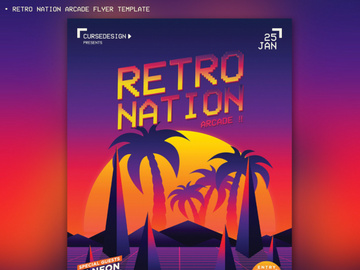
Retro Design Principles
Retro design is more than just a nostalgic throwback—it’s a deliberate aesthetic choice that channels the visual language of past decades to evoke emotion, authenticity, and timeless charm. What makes retro design distinctive is its ability to transport viewers to a specific era, often the 1950s through the 1980s, by resurrecting the colors, typography, and graphic styles of those times. Unlike vintage design, which often refers to actual artifacts from the past, retro is a modern reinterpretation—reimagined with today’s tools and sensibilities while honoring the spirit of yesteryear.
At the heart of retro design are several core visual elements. Typography plays a starring role, with bold, stylized lettering that mimics hand-painted signs, psychedelic posters, or mid-century advertising. Fonts often feature exaggerated serifs, geometric shapes, or playful script styles, depending on the decade being referenced. Color palette is equally critical: retro designs favor saturated, high-contrast hues like mustard yellow, avocado green, burnt orange, and deep teal. These colors are frequently paired in unexpected combinations that were popular during their original eras, creating vibrant, eye-catching compositions.
Spacing and layout in retro design often embrace symmetry and bold divisions of space. Think of the clean lines of 1960s Swiss design or the chaotic, collage-like arrangements of 1970s psychedelia. Negative space is used strategically, not just for balance but to highlight key elements. Imagery often includes grainy textures, halftone patterns, film grain, and retro illustrations such as atomic motifs, space-age graphics, or vintage cameras and cars. These elements work together to create a cohesive, immersive experience that feels both familiar and fresh.
The evolution of retro design is deeply tied to cultural cycles. As new generations rediscover the visual identity of past decades, trends resurface with modern updates. The resurgence of 80s synthwave, 90s grunge, and Y2K aesthetics in recent years shows how retro design continues to influence contemporary creativity. Whether used in branding, web design, or print media, retro templates offer a way to stand out by leaning into the bold, expressive character of bygone eras. With over 19+ resources available at EpicPxls, designers can easily access authentic retro templates that capture the essence of these timeless styles.
Inspiring Retro Templates Examples
Web & App Design
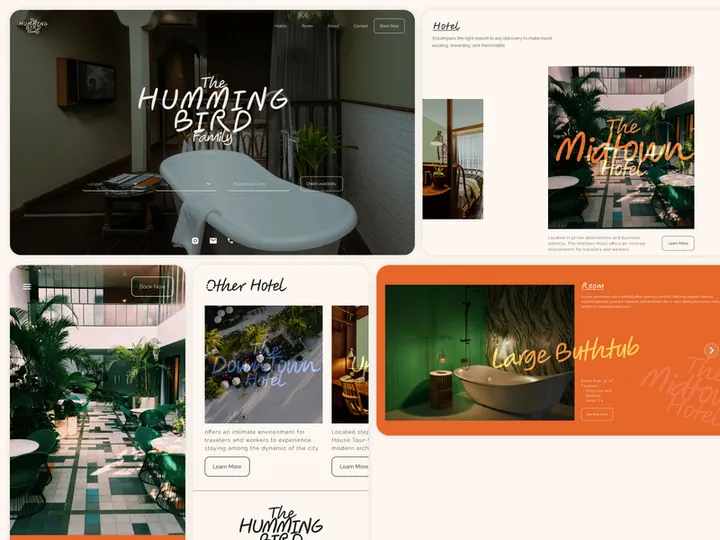
Retro style has found a surprising new home in digital interfaces, where it’s used to create memorable, personality-driven user experiences. From neon-drenched synthwave dashboards to 90s-inspired websites with pixelated graphics and animated GIFs, retro web and app designs break the mold of minimalist trends. These interfaces often use CRT screen effects, VHS-style glitches, and grid-based layouts reminiscent of early web design. Buttons may feature beveled edges, drop shadows, and metallic textures to emulate 1980s computer aesthetics. The key is balancing nostalgia with usability—ensuring that retro elements enhance, rather than hinder, navigation. Platforms like EpicPxls offer 19+ retro templates tailored for web and app projects, making it easy to integrate this bold style into modern digital products.
Print & Branding
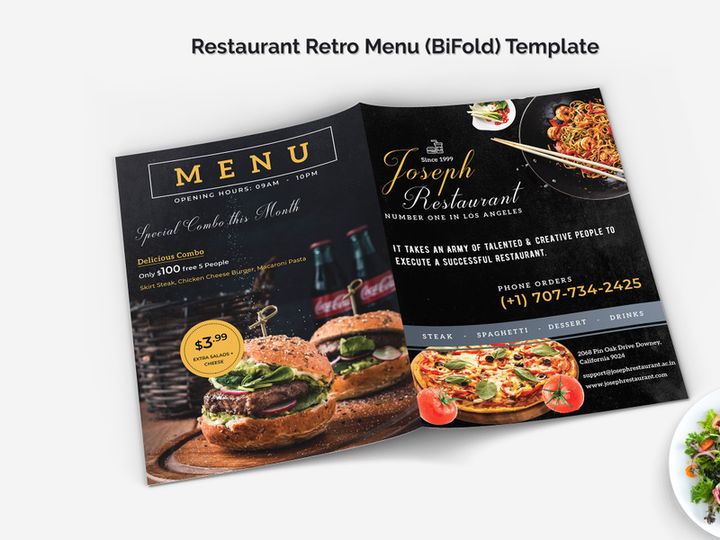
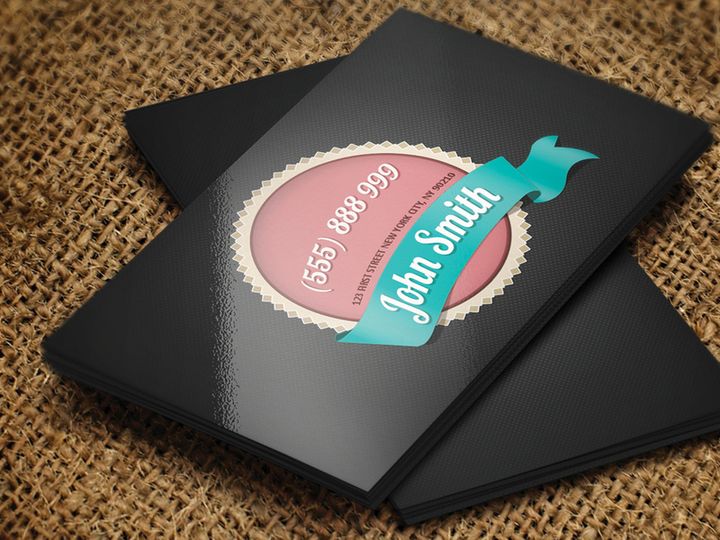
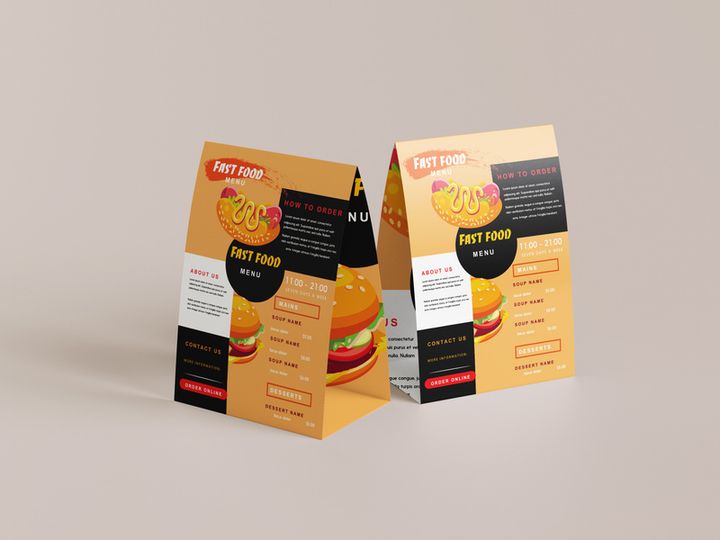
In the world of print and branding, retro design is a powerful tool for establishing authenticity and emotional connection. Brands in industries like craft beer, coffee, fashion, and music frequently adopt retro-inspired logos, packaging, and labels to convey heritage and craftsmanship. Think of a 1950s-style diner menu reimagined for a modern burger joint, or a 1970s-inspired record label logo for an indie band. These designs use period-accurate typography, distressed textures, and vintage color schemes to create a sense of timelessness. Retro branding often includes hand-drawn illustrations, badge-style emblems, and classic iconography that resonate with consumers seeking nostalgic value. With the right retro templates, businesses can craft a distinctive identity that stands out on shelves and in customers’ minds.
Social Media & Marketing
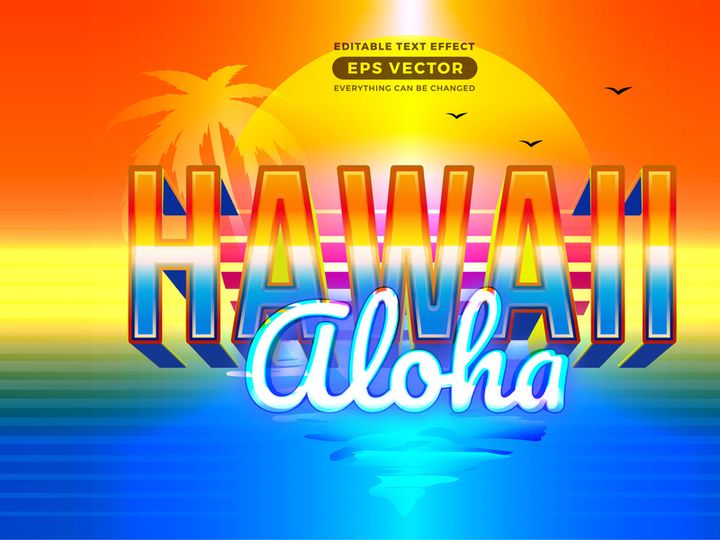
Retro trends are thriving in social media and digital marketing, where visual impact is everything. Campaigns leveraging 80s neon gradients, VHS-style video filters, or 90s zine aesthetics attract attention in crowded feeds. Instagram carousels, TikTok videos, and Facebook ads use retro templates to evoke emotion and create shareable content. For example, a fitness brand might use a 1980s aerobics theme with leg warmers, bold typography, and vibrant pinks and teals to promote a retro workout challenge. Similarly, a beverage company could launch a summer campaign using 1970s tiki culture motifs and tropical color palettes. These approaches not only capture attention but also foster a sense of fun and relatability. With 19+ retro designs available at EpicPxls, marketers can quickly deploy on-brand, nostalgic content that resonates with diverse audiences.
How to Apply Retro Style to Your Projects
- Choose the right era: Start by identifying which decade best aligns with your project’s message. Whether it’s the sleek futurism of the 1980s or the earthy warmth of the 1970s, selecting a specific time period ensures consistency in your design.
- Choose the right retro templates from EpicPxls: With a curated selection of 19+ resources, EpicPxls offers professionally designed retro templates that capture authentic period details. Whether you need a web layout, social media graphic, or print design, start with a strong foundation.
- Preserve the retro feel through customization: When adapting templates, avoid over-modernizing. Keep textures grainy, colors vibrant, and effects like halftones or scan lines intact. Small tweaks like adjusting text or swapping icons are fine—but maintain the original design’s spirit.
- Pair retro typography wisely: Use fonts that match the era you’re evoking. For example, geometric sans-serifs work for 1960s designs, while psychedelic scripts suit 1970s themes. Avoid pairing retro fonts with ultra-modern typefaces unless the contrast is intentional.
- Use authentic color palettes: Stick to period-accurate hues. Research common color combinations from the chosen decade to ensure your palette feels genuine. Tools within retro templates from EpicPxls often include pre-built swatches for easy selection.
- Test across platforms: Retro designs can be bold and complex, so ensure they remain legible and effective on all devices. A retro poster should look just as striking on a mobile screen as it does in print.
By following these steps and leveraging high-quality retro templates, you can create designs that are both nostalgic and functional, resonating with audiences while maintaining professional polish.
Retro Pairing Guide
Complementary Styles
Retro design doesn’t have to exist in isolation—when paired thoughtfully, it can blend beautifully with other aesthetics. One of the most effective pairings is retro with minimalism. By stripping back some of the busier elements and focusing on clean layouts with retro accents, you achieve a balanced, modern-retro hybrid. Another strong combination is retro with handcrafted elements like watercolor textures, hand-lettering, or organic shapes. This pairing enhances the authenticity of retro designs, especially in branding for artisanal products. Additionally, retro works surprisingly well with futurism, particularly in the synthwave genre, where 1980s neon aesthetics meet cyberpunk visuals. This duality creates a nostalgic-yet-advanced feel, perfect for tech brands or entertainment projects. For those exploring creative fusions, EpicPxls’ 19+ retro templates provide a flexible starting point that can be adapted to suit hybrid styles.
Typography Choices
Typography is the backbone of any retro design, and choosing the right font can make or break the authenticity of your project. For a 1950s diner vibe, consider bold serif or script fonts with a hand-painted feel. The 1960s favor clean, geometric sans-serifs—think Helvetica or Eurostile-inspired typefaces with tight spacing and symmetry. The 1970s embrace flamboyant scripts, psychedelic swirls, and bold outlined letters, often in rainbow gradients. For 1980s designs, opt for pixelated fonts, neon-style lettering, or chrome-effect typefaces that mimic arcade games and VHS tapes. The 1990s bring in grunge, stencil, and alternative fonts with rough edges and distressed textures. When selecting fonts, always prioritize legibility—especially in digital formats. Many retro templates include recommended font pairings to help maintain visual harmony.
Color Palettes
Color is one of the most evocative tools in retro design. Each decade has its own signature palette, and using the right combination instantly signals the era you’re referencing. The 1950s favored pastel pinks, mint greens, and creamy whites—soft and cheerful. The 1960s introduced bold primaries: red, blue, and yellow—often in high-contrast layouts. The 1970s brought earthy tones like avocado, harvest gold, and burnt orange, frequently paired with browns and deep greens. The 1980s exploded with neon: hot pink, electric blue, lime green, and vibrant purple, often in gradient transitions. The 1990s leaned into muted tones with splashes of bold color, including teal, magenta, and gunmetal gray. When building your palette, consider using complementary or triadic color schemes to maintain vibrancy without overwhelming the viewer. Many retro templates from EpicPxls include pre-saved color swatches, making it easy to apply authentic palettes with just a few clicks.
Retro Templates Trends in 2026
As we move into 2026, retro design continues to evolve, blending nostalgia with cutting-edge digital techniques. One of the most notable trends is the fusion of retro aesthetics with immersive technologies—such as augmented reality (AR) and interactive web experiences. Designers are using retro templates to create dynamic landing pages where 80s-style animations respond to user input, or where 90s-inspired graphics morph in real time. This interplay between past and present keeps the retro style feeling fresh and engaging.
Another key development is the rise of neo-retro branding—where companies adopt retro visuals not just for nostalgia, but as a statement of sustainability and authenticity. In a world saturated with sleek, AI-generated designs, retro offers a human touch. Brands are leaning into hand-drawn elements, analog textures, and imperfections that celebrate craftsmanship over perfection. This trend is especially strong in food, beverage, and lifestyle industries, where consumers value heritage and story.
Retro templates are also becoming more accessible and customizable. Platforms like EpicPxls now offer 19+ resources that support multiple formats, from Figma and Adobe XD to Canva and Photoshop. These templates are designed with modularity in mind, allowing users to mix and match components while preserving the core retro identity. Additionally, there’s a growing emphasis on inclusivity—modern retro designs are updating outdated stereotypes and expanding representation while honoring the visual language of the past.
Looking ahead, the retro trend shows no signs of fading. Instead, it’s maturing into a versatile design language that bridges generations. Whether used for a nostalgic marketing campaign, a bold brand refresh, or a personal creative project, retro templates remain a powerful tool for storytelling and visual impact. With 19+ retro designs available at EpicPxls, designers in 2026 have everything they need to craft authentic, compelling work that honors the past while embracing the future.
Why Download from EpicPxls?
Commercial License
Use in personal and commercial projects
No Account Required
Download free resources instantly
Quality Curated
Every resource is reviewed for quality
Preview Files
See Figma and Photoshop files before downloading
Who Uses These Templates?
Professionals and teams who benefit most from our collection
UI/UX Designers
Speed up your workflow with ready-to-use templates for design tools. Perfect for prototyping and client presentations.
Developers
Get production-ready assets without design skills. Export in any format for web and mobile apps.
Startups & Agencies
Save design budget with affordable premium templates. Commercial license included for client work.
Marketing Teams
Create professional campaigns faster. All templates are optimized for social media and ads.
Templates FAQCommon questions about these resources
Simple, Transparent Pricing
Get unlimited access to all premium resources
Yearly
- 20 downloads per month
- All file formats
- Commercial license
Lifetime
- Unlimited downloads forever
- All file formats
- Commercial license
Ready to Get Started?
Access 4,441+ free design resources today.
Browse Free ResourcesView Premium PlansEarn 85% and
more on all sales
Upload your products and put them up
for sale at whatever price you want.


