Retro Illustrations: 46+ Retro Designs
EpicPxls offers 16+ curated illustrations, all with a commercial license and editable source files (Figma, Sketch, PSD). Retro illustrations are characterized by specific visual elements, typography choices, and color palettes that define the retro aesthetic in design.
Last updated May 4, 2026
Discover 46+ curated retro illustrations for your projects.
Trusted by designers at leading companies
Top Illustrations
Handpicked resources from our curated collection
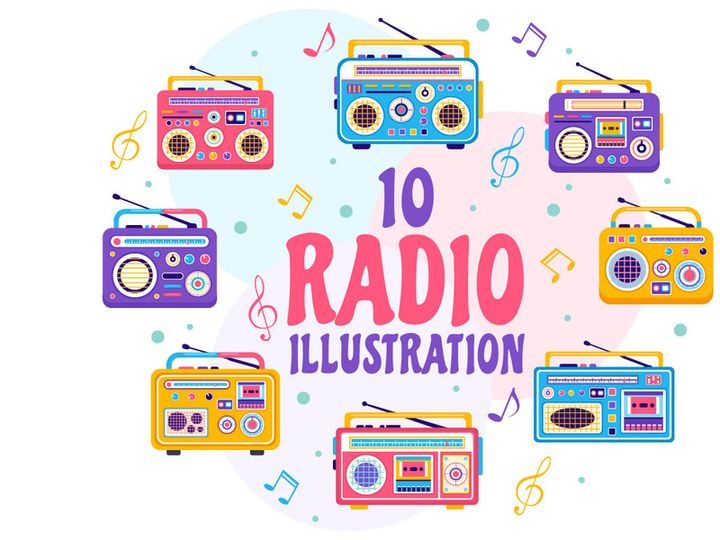
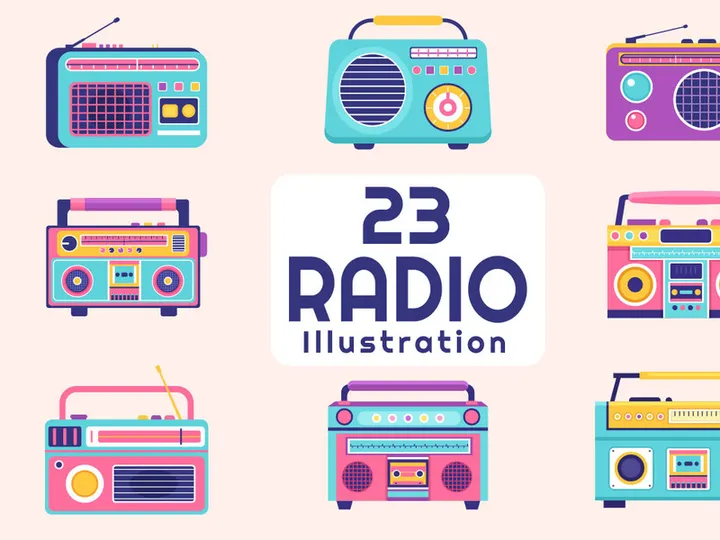
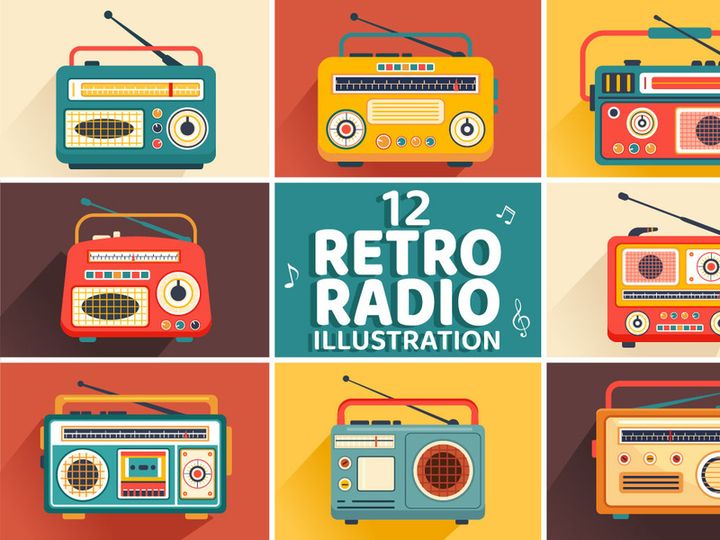
Try Our Free Resources
Download any of these for free - no account required
Retro Design Principles
Retro illustrations design captures the visual essence of past decades, particularly the 1960s through the 1990s, with a nostalgic flair that resonates across modern creative applications. What makes retro design distinctive is its deliberate use of stylistic choices that echo the cultural, technological, and artistic movements of previous eras. Unlike vintage, which refers to authentic pieces from the past, retro is a modern reinterpretation—reviving the look and feel of bygone days with a fresh, intentional twist. This aesthetic is not just about looking old; it’s about celebrating the boldness, creativity, and charm of earlier design movements.
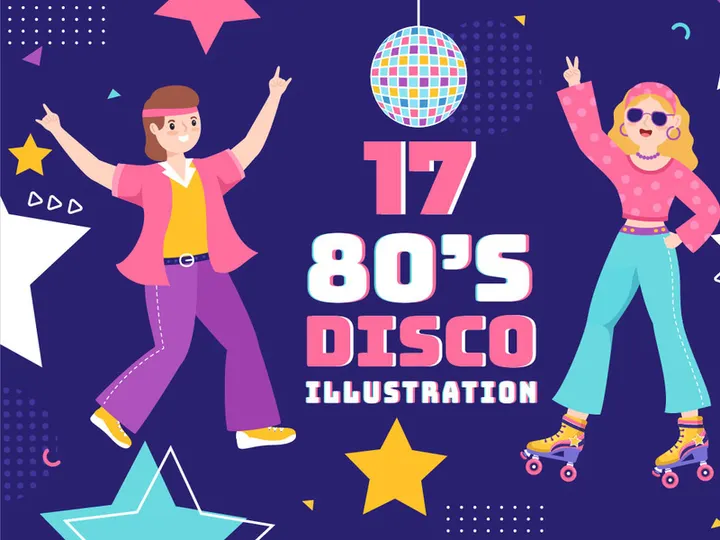
The core visual elements of retro design include vibrant typography, limited yet striking color palettes, intentional spacing, and stylized imagery. Typography in retro illustrations often features bold, geometric sans-serifs or playful script fonts with exaggerated curves and outlines—hallmarks of 70s and 80s graphic design. Color schemes lean toward high-contrast combinations like mustard yellow and burnt orange, avocado green and harvest gold, or neon pinks and electric blues, often set against deep backgrounds to amplify their pop. These choices are rooted in the printing limitations and artistic experimentation of their time, giving retro illustrations a tactile, hand-crafted quality.
Spacing and composition in retro design are typically dynamic. Asymmetrical layouts, overlapping elements, and exaggerated perspective create a sense of movement and energy. Imagery often includes stylized figures, geometric patterns, sunbursts, and halftone textures—visual cues borrowed from mid-century advertising, vinyl record sleeves, and arcade games. The historical context of retro design spans pivotal moments: the optimism of post-war modernism, the psychedelic explosion of the 60s, the disco glamour of the 70s, and the digital dawn of the 80s and 90s. Each era contributes a unique flavor to the retro palette, allowing today’s designers to mix and match influences for maximum impact. With over 46+ resources available, platforms like EpicPxls offer a treasure trove of retro illustrations that embody these principles, making it easier than ever to bring nostalgic authenticity to contemporary projects.
Inspiring Retro Illustrations Examples
Web & App Design
Retro style has made a strong comeback in digital interfaces, where designers use nostalgic elements to create memorable user experiences. Websites and apps leveraging retro illustrations often feature pixelated textures, CRT-style screen glitches, and vibrant gradients reminiscent of 80s computer graphics. These elements are used strategically—not as full aesthetic overhauls, but as accents that evoke familiarity and fun. For example, gaming platforms and music apps frequently integrate retro illustrations to appeal to users' sense of nostalgia, enhancing engagement through visual storytelling. Buttons shaped like cassette tapes, loading animations styled like VHS rewinding, or icons designed with 70s line art all contribute to a cohesive retro theme. With 46+ resources at your fingertips from EpicPxls, finding the right digital-era retro illustrations has never been easier, allowing for seamless integration into responsive designs without sacrificing usability.
Print & Branding
In print and branding, retro illustrations lend a timeless authenticity that stands out in a world of minimalist modernism. Brands aiming to convey warmth, craftsmanship, or heritage often adopt retro aesthetics in their logos, packaging, and promotional materials. Think of coffee roasters using 60s-inspired floral borders, or breweries opting for 70s-style typography and earth-toned illustrations. These design choices evoke a sense of tradition and trust, helping brands connect emotionally with their audience. Retro illustrations in branding are especially effective when they tell a story—such as a family-run business highlighting its decades-long journey through stylized timeline graphics. The tactile quality of retro design translates beautifully to physical media, where textures like grain, halftone dots, and embossed finishes enhance the overall experience. Designers can easily customize these elements using curated retro illustrations from EpicPxls, ensuring brand consistency across all touchpoints.
Social Media & Marketing
Retro illustrations are thriving in social media and digital marketing, where attention spans are short and visual impact is paramount. Campaigns that incorporate retro design often see higher engagement due to their distinctive, eye-catching appeal. From Instagram carousels with 80s neon grids to TikTok ads featuring animated retro characters, these visuals cut through the noise of algorithm-driven feeds. Marketers use retro illustrations to tap into collective nostalgia, especially when targeting millennials and Gen X audiences who grew up during the peak decades of these styles. Limited-time promotions styled like vintage coupon books or throwback product launches with retro packaging designs create buzz and urgency. With over 46+ retro designs available, content creators can find just the right illustration to match their campaign theme—whether it’s a groovy 70s vibe or a futuristic 90s cyberpunk aesthetic—all customizable to align with brand voice and platform requirements.
How to Apply Retro Style to Your Projects
- Select the right era: Begin by identifying which decade best fits your project’s tone—whether it’s the psychedelic 60s, flamboyant 70s, digital 80s, or grunge 90s. Each era has distinct visual cues that will guide your overall direction.
- Choose the right retro illustrations from EpicPxls: With a diverse library of 46+ resources, EpicPxls offers authentic, high-quality retro illustrations that capture the spirit of various decades. Filter by style, color, or theme to find assets that align with your concept.
- Customize while preserving authenticity: Adjust colors and scale to fit your layout, but avoid over-modernizing. Keep textures like grain, halftones, or scan lines to maintain the retro feel. Subtle tweaks ensure cohesion without losing character.
- Match typography to the era: Pair illustrations with fonts that reflect the same time period—such as geometric sans-serifs for the 70s or pixel fonts for the 80s. Typography should complement, not compete with, the artwork.
- Apply consistent color palettes: Use retro-inspired color schemes—like teal and coral, mustard and olive, or neon magenta and cyan—to unify your design. Limit your palette to 3–5 dominant colors for visual harmony.
- Test across mediums: Ensure your retro design works both digitally and in print. Adjust contrast and resolution as needed, especially when adapting illustrations for social media, web banners, or merchandise. Revisit your selections from EpicPxls to ensure scalability and clarity.
Retro Pairing Guide
Complementary Styles
Retro design doesn’t exist in a vacuum—it thrives when paired with complementary aesthetics that enhance its impact without overshadowing it. Minimalism, for instance, can provide a clean backdrop that allows retro illustrations to stand out, especially in web and app interfaces where usability is key. Similarly, combining retro elements with modern flat design creates a balanced fusion of old and new, often referred to as "retro-modern." This hybrid approach is particularly effective in branding, where a vintage illustration is set against a sleek, contemporary layout. Another powerful pairing is retro with hand-drawn or artisanal styles, which amplifies the sense of craftsmanship and authenticity. For editorial design, layering retro illustrations over textured paper backgrounds or incorporating collage techniques can add depth and tactile interest. Even futuristic or cyberpunk themes benefit from retro touches, especially when referencing the optimistic tech visions of the 70s and 80s. With 46+ resources available, designers can experiment with different combinations to find the perfect synergy for their projects, using curated illustrations from EpicPxls to maintain stylistic consistency.
Typography Choices
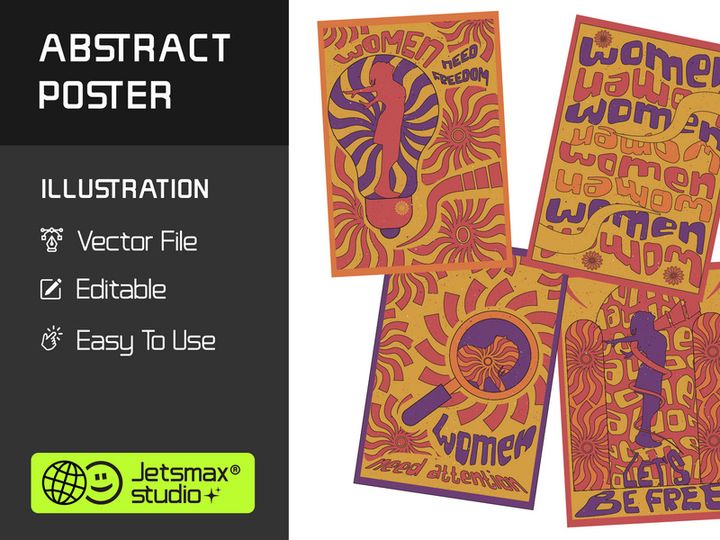
Typography is a cornerstone of retro design, and selecting the right font can instantly anchor your project in a specific era. For the 1960s, consider rounded sans-serifs or psychedelic fonts with swirling letters and bold outlines—perfect for music posters or counterculture themes. The 1970s embraced bold, wide-lettered fonts with drop shadows and gradients, often seen in disco and funk-inspired designs. Look for typefaces with thick strokes and exaggerated serifs to capture that decade’s flair. The 1980s brought geometric precision and digital experimentation—think grid-based fonts, pixel lettering, and neon-style outlines that mimic arcade signs. These work exceptionally well for tech and gaming projects. In the 1990s, grunge typography with distressed edges, hand-written scripts, and collage-inspired lettering became popular, ideal for casual or alternative brands. When pairing typography with retro illustrations, ensure the font weight and style match the artwork’s energy. A mismatched font can break the illusion of authenticity. Platforms like EpicPxls often include recommended font pairings with their retro illustration sets, helping designers maintain a cohesive visual narrative.
Color Palettes
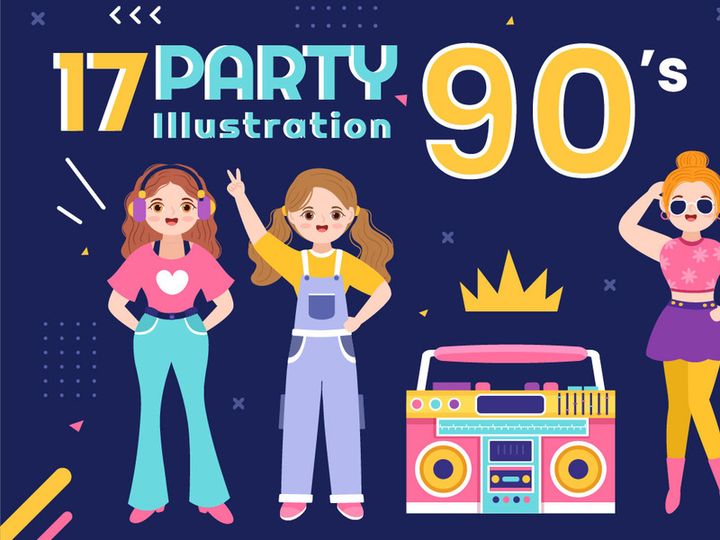
Color is perhaps the most powerful tool in evoking a retro mood. Each decade has its signature palette, and using these intentionally can transport viewers back in time. The 1960s favored earthy tones like avocado green, burnt orange, and mustard yellow, often combined with psychedelic purples and electric blues in swirling patterns. These colors work well in organic or music-related branding. The 1970s leaned into warm, saturated hues—harvest gold, deep brown, and rust red—paired with rich textures like wood grain and shag carpet motifs. Think of retro kitchens and lounge interiors translated into design elements. In contrast, the 1980s exploded with neon: hot pink, electric blue, lime green, and bright yellow, often set against black or dark backgrounds to maximize vibrancy. This palette is perfect for high-energy campaigns, nightlife branding, or digital interfaces. The 1990s introduced more muted but still distinctive tones—teal, coral, olive, and slate gray—reflecting the rise of early web design and grunge culture. When applying these palettes, limit your selection to maintain focus. Use dominant colors for backgrounds and accents, and reserve the boldest shades for key visual elements like headlines or call-to-action buttons. With retro illustrations from EpicPxls, color customization is simple, allowing you to shift hues while preserving the original texture and detail.
Retro Illustrations Trends in 2026
As we move into 2026, retro illustrations continue to evolve, blending nostalgia with cutting-edge design technology. What was once a niche aesthetic has become a mainstream movement, embraced by industries ranging from tech startups to luxury fashion. One of the most notable trends is the fusion of retro styles with AI-enhanced visuals—designers are using machine learning to generate new illustrations that mimic the hand-drawn quality of past decades, complete with authentic imperfections like ink bleeds and paper texture. This hybrid approach allows for scalable, customizable retro content without losing the human touch. Another growing trend is the revival of 90s and early 2000s internet aesthetics, with retro illustrations featuring chunky pixels, dial-up motifs, and Y2K-inspired surrealism. These designs resonate with younger audiences who are discovering retro culture through digital archives and social media nostalgia loops.
Retro illustrations are also being used more strategically in storytelling. Brands are creating narrative-driven campaigns where characters and scenes unfold across multiple platforms—from website banners to animated social posts—using a consistent retro visual language. This continuity strengthens brand identity and deepens emotional connection. Additionally, sustainability-focused brands are adopting retro design to emphasize longevity, tradition, and eco-conscious values, drawing on the craftsmanship imagery of mid-century design. The demand for high-quality, ready-to-use retro assets has never been higher, and platforms like EpicPxls are meeting this need with 46+ resources that span multiple eras and applications. From editorial layouts to interactive experiences, retro illustrations in 2026 are not just a trend—they’re a versatile design language that bridges past and present. As the line between vintage inspiration and modern innovation blurs, retro design remains a powerful tool for creating meaningful, memorable visuals that stand out in a crowded digital world.
Why Download from EpicPxls?
Commercial License
Use in personal and commercial projects
No Account Required
Download free resources instantly
Quality Curated
Every resource is reviewed for quality
Preview Files
See Figma and Photoshop files before downloading
Who Uses These Illustrations?
Professionals and teams who benefit most from our collection
UI/UX Designers
Speed up your workflow with ready-to-use illustrations for design tools. Perfect for prototyping and client presentations.
Developers
Get production-ready assets without design skills. Export in any format for web and mobile apps.
Startups & Agencies
Save design budget with affordable premium illustrations. Commercial license included for client work.
Marketing Teams
Create professional campaigns faster. All illustrations are optimized for social media and ads.
Illustrations FAQCommon questions about these resources
Simple, Transparent Pricing
Get unlimited access to all premium resources
Yearly
- 20 downloads per month
- All file formats
- Commercial license
Lifetime
- Unlimited downloads forever
- All file formats
- Commercial license
Ready to Get Started?
Access 4,441+ free design resources today.
Browse Free ResourcesView Premium PlansEarn 85% and
more on all sales
Upload your products and put them up
for sale at whatever price you want.


