How to Use Fonts in PDF: Complete Guide
EpicPxls offers 200+ curated fonts for PDF, all with a commercial license and editable source files (Figma, Sketch, PSD). Download your chosen fonts from EpicPxls, then use PDF's import function. Most resources include PDF-native files for seamless opening.
Last updated February 13, 2026
Everything you need to know about using fonts in PDF.
Trusted by designers at leading companies
Top Fonts for PDF
Handpicked resources from our curated collection
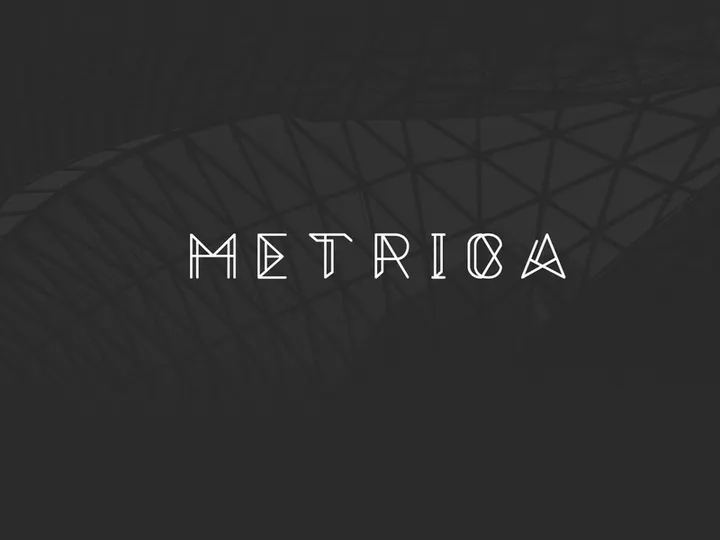


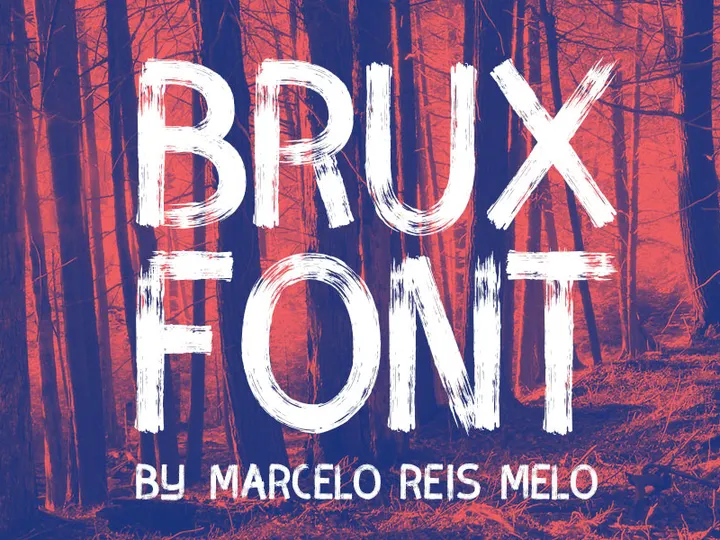



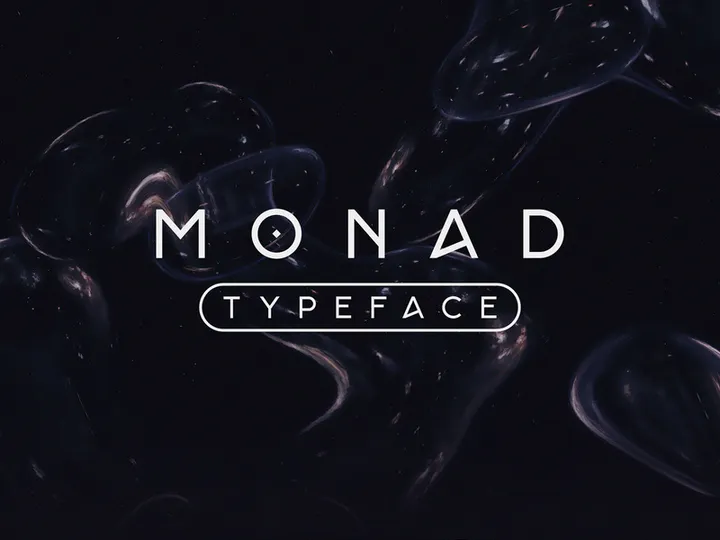


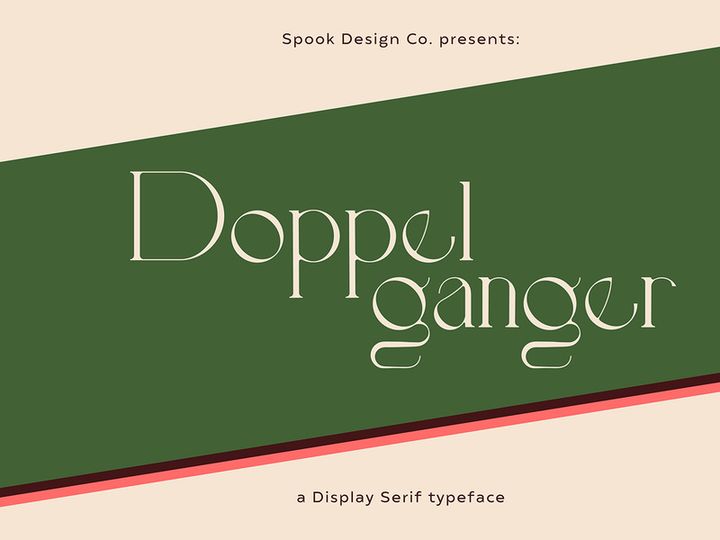




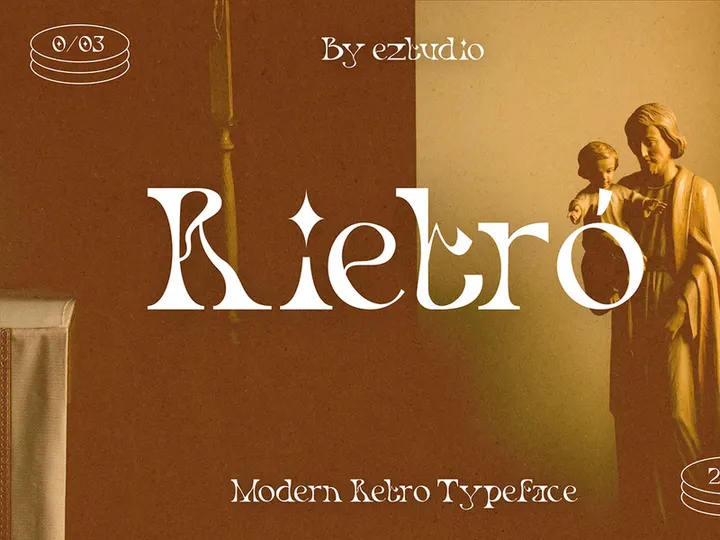
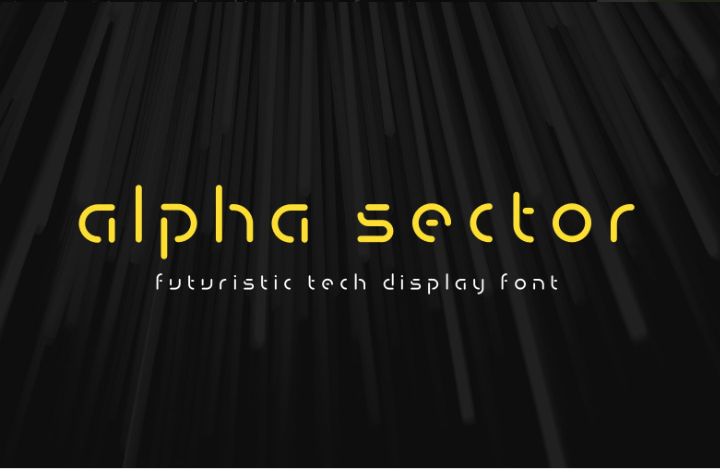



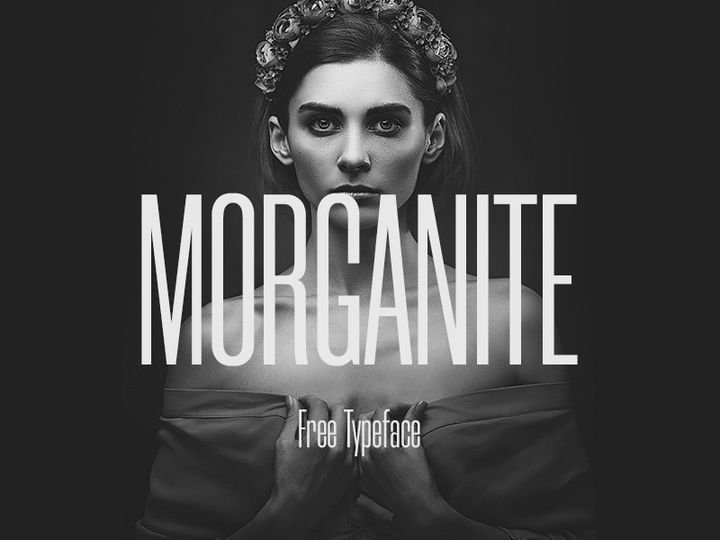


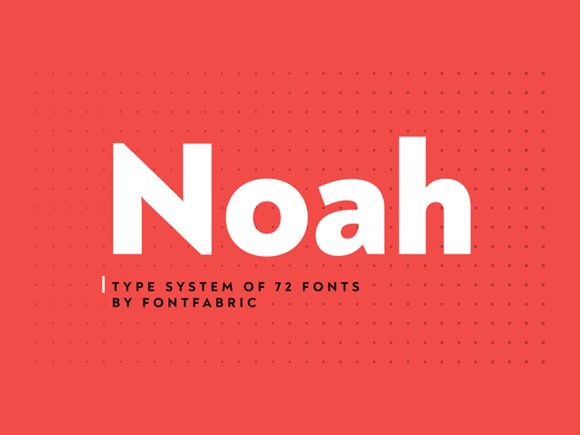
Try Our Free Resources
Download any of these for free - no account required
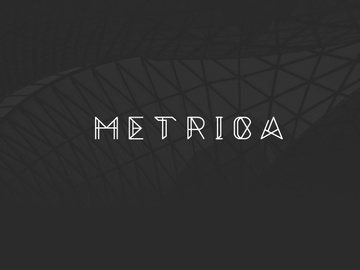

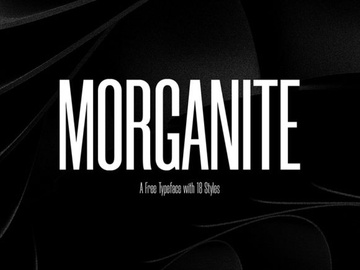
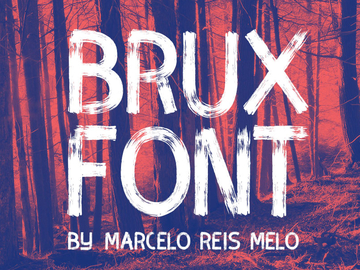


Getting Started with Fonts in PDF
Integrating fonts into PDF documents is a crucial step in creating visually appealing, professional, and accessible content. Whether you're designing a report, creating a brochure, or generating digital forms, the right typography enhances readability and strengthens your message. Before diving into font integration, ensure you have the necessary tools and setup. Most PDF workflows begin with a design or document editing application such as Adobe Acrobat, LibreOffice, or specialized design software that supports PDF export. These tools allow you to embed, edit, and manage fonts directly within your PDF file.
Finding fonts compatible with PDF is essential to avoid rendering issues across devices and platforms. The best fonts for PDF use are typically in OpenType (.otf), TrueType (.ttf), Type 1 (.pfb), or embedded subsets. Many free and premium font libraries offer formats optimized for digital documents. When selecting fonts, always check their licensing to confirm they can be embedded in PDFs—some fonts restrict embedding to preserve copyright.
EpicPxls offers a comprehensive collection of over 200 resources, including professionally designed fonts that are fully PDF-compatible and optimized for both screen and print. These include modern sans-serifs, elegant scripts, and classic serifs—perfect for branding, publishing, and creative projects. The platform ensures all fonts are tested for cross-platform consistency, making integration seamless. With 200+ resources at your fingertips, you can quickly find the perfect match for any document style. Whether you're a designer, marketer, or educator, starting with reliable tools and high-quality fonts sets the foundation for successful PDF creation.
How to Import Fonts into PDF
- Choose the Correct Font Format: Ensure the font file is in a PDF-compatible format such as .ttf (TrueType), .otf (OpenType), or .pfb (Type 1). These formats are widely supported and allow smooth embedding during PDF creation or editing.
- Download from a Trusted Source: Visit reputable platforms like EpicPxls to download fonts. With over 200+ resources available, you can access high-quality, license-cleared fonts ideal for embedding in PDFs without legal concerns.
- Install the Font on Your System: On Windows, right-click the font file and select “Install.” On macOS, open Font Book and drag the file into your library. Once installed, the font becomes available in your design or PDF editing software.
- Open Your Design or PDF Tool: Launch your preferred application—such as Adobe Acrobat, Illustrator, or InDesign—and open the document where you want to use the new font. If you're creating a new PDF from scratch, start a new project.
- Select Text and Apply the Font: Highlight the text you want to format, then choose your imported font from the typography dropdown menu. Adjust size, weight, and spacing as needed to maintain visual harmony.
- Embed the Font in the PDF: When exporting or saving as PDF, go to the “Fonts” section in the settings and ensure the option to embed fonts is enabled. This guarantees the text appears correctly on any device, even if the recipient doesn’t have the font installed.
When working with design files from other formats like PSD, AI, SVG, or Figma, always verify that fonts are either outlined (converted to paths) or properly embedded during export to PDF. Some platforms allow direct font export, while others require you to manually install and reapply fonts in the PDF environment. For Figma users, exporting text layers with preserved fonts may require using advanced PDF export plugins. Keeping track of font dependencies early in the workflow prevents missing text issues later on.
Step-by-Step: Working with Fonts in PDF
Editing Layers and Components
Modern PDF tools allow for detailed text editing, especially when the document originates from layered design files. If your PDF was created from a PSD, AI, or Figma file, you may retain editable text layers. Open the file in a compatible editor and navigate to the layers panel to identify text components. Select the text box you wish to modify, then change the font, size, color, or alignment using the formatting toolbar. Be cautious when replacing fonts—some may not support the same character set or ligatures, which can affect layout and spacing.
To maintain design integrity, use font substitution tools if the original font isn’t available. Most software will prompt you to choose a replacement, but it's best to have the correct font installed beforehand. For dynamic content like forms or templates, consider using PDF form fields with predefined font styles to ensure consistency. EpicPxls fonts are optimized for clarity and scalability, making them ideal for interactive PDFs where text needs to remain legible at various zoom levels.
Organizing Your Fonts Library
With access to 200+ resources and growing, managing your font collection efficiently is essential. Begin by creating a dedicated folder on your system for downloaded fonts, categorized by type—such as display, body, script, or monospace. Use descriptive naming conventions (e.g., “EpicPxls_Sans_Bold.ttf”) to make identification easier. Consider using font management tools like Suitcase Fusion or FontBase to preview, activate, and deactivate fonts without cluttering your system.
When working on team projects, maintain a shared font library on a cloud drive or internal server. Ensure all collaborators have the same fonts installed to avoid discrepancies during editing. Document the font usage in your project guidelines, specifying primary and secondary typefaces. This is especially helpful when using unique or custom fonts from platforms like EpicPxls. Regularly audit your collection to remove duplicates or unused fonts, improving system performance and streamlining workflow.
Exporting for Production
Once your document is finalized, prepare it for delivery by choosing the right export settings. In your design or PDF software, select “Save As” or “Export to PDF” and choose the appropriate preset—such as PDF/X-1a for print, PDF/A for archiving, or PDF/X-4 for high-quality digital distribution. These presets ensure fonts are embedded correctly and comply with industry standards.
Under the “Fonts” tab in the export dialog, confirm that all used fonts are listed and set to embed. If a font cannot be embedded due to licensing restrictions, the software may subset the font (include only used characters) or warn you about potential display issues. For web and mobile use, optimize the file size by subsetting fonts and compressing images. Choose “Smallest File Size” or “Web” presets when targeting online platforms. For print, prioritize high-resolution output and CMYK color profiles. Always generate a test PDF and open it on multiple devices to verify font rendering and layout fidelity.
Troubleshooting Common PDF Issues
File Won't Open
If a PDF fails to open, the issue may stem from version incompatibility or corrupted font data. Older PDF readers may not support newer font formats or transparency effects used during export. Try opening the file in an updated version of Adobe Acrobat or a free alternative like PDF-XChange Editor. If the problem persists, re-export the document using a more universal PDF standard such as PDF 1.5 or earlier. Avoid using experimental features unless necessary, and always ensure fonts are properly embedded rather than linked externally.
Missing Fonts or Assets
Missing fonts are one of the most common PDF issues, especially when sharing files across systems. If the recipient doesn’t have the required font installed and it wasn’t embedded, the viewer will substitute it with a default typeface, potentially disrupting layout and design. To resolve this, always enable font embedding during export. If you're receiving a file with missing fonts, check if the sender can resend with embedded fonts or provide the font files directly. When using fonts from trusted sources like EpicPxls, ensure they permit embedding—most do, especially for personal and commercial use.
Performance Problems
Large PDF files with numerous embedded fonts can lead to slow loading and poor performance, particularly on mobile devices or older computers. To improve speed, limit the number of typefaces used and avoid embedding entire font families if only a few weights are needed. Use font subsetting to include only the characters in your document—this can significantly reduce file size. Additionally, convert decorative or non-essential text to outlines (vector paths) if editing isn't required. Regularly clean up unused objects and compress images within the PDF. Tools like Acrobat’s “Reduce File Size” feature can also help streamline large documents without sacrificing quality.
Advanced PDF Tips for Fonts
Batch Processing
When handling multiple PDFs that require consistent font updates—such as branding materials or reports—batch processing can save significant time. Use automation tools within Adobe Acrobat Pro or scripting languages like JavaScript to apply font changes across dozens of files simultaneously. For example, you can create an action that finds all instances of a deprecated font and replaces it with a new one from your EpicPxls collection. Batch processing is also useful for embedding fonts in legacy documents that were previously exported without them, ensuring uniformity and compliance across your document library.
Plugins and Extensions
Enhance your PDF workflow with plugins that extend font handling capabilities. Many design and document management platforms support add-ons that streamline font embedding, preview, and substitution. For instance, some Acrobat plugins allow you to view all embedded fonts in a document, check licensing status, or detect potential rendering issues. Browser-based PDF editors may integrate with cloud font libraries, enabling direct access to online typefaces. When using platforms that support Figma or AI integrations, look for export extensions that preserve font integrity during conversion to PDF. These tools complement the 200+ resources available on EpicPxls by making font deployment faster and more reliable.
Collaboration Workflows
In team environments, consistent font usage is critical for maintaining brand identity and design cohesion. Establish a centralized font repository accessible to all team members, ideally synced via cloud storage or a digital asset management system. Include documentation that specifies approved fonts, their sources, and usage guidelines. When team members use fonts from EpicPxls, ensure they download the correct versions and install them before starting work. Use version control for design files and communicate any font changes promptly. For remote teams, consider hosting a shared font server or using font management tools with collaboration features. This prevents issues like missing assets and ensures every exported PDF reflects the intended typographic design, regardless of who created it.
Why Download from EpicPxls?
Commercial License
Use in personal and commercial projects
No Account Required
Download free resources instantly
Quality Curated
Every resource is reviewed for quality
Preview Files
See Figma and Photoshop files before downloading
Who Uses These Fonts?
Professionals and teams who benefit most from our collection
UI/UX Designers
Speed up your workflow with ready-to-use fonts for PDF. Perfect for prototyping and client presentations.
Developers
Get production-ready assets without design skills. Export in any format for web and mobile apps.
Startups & Agencies
Save design budget with affordable premium fonts. Commercial license included for client work.
Marketing Teams
Create professional campaigns faster. All fonts are optimized for social media and ads.
Fonts for PDF FAQCommon questions about these resources
Simple, Transparent Pricing
Get unlimited access to all premium resources
Yearly
- 20 downloads per month
- All file formats
- Commercial license
Lifetime
- Unlimited downloads forever
- All file formats
- Commercial license
Ready to Get Started?
Access 4,441+ free design resources today.
Browse Free ResourcesView Premium PlansEarn 85% and
more on all sales
Upload your products and put them up
for sale at whatever price you want.


