Flat Graphics: 123+ Flat Designs
EpicPxls offers 32+ curated graphics, all with a commercial license and editable source files (Figma, Sketch, PSD). Flat graphics are characterized by specific visual elements, typography choices, and color palettes that define the flat aesthetic in design.
Last updated February 12, 2026
Discover 123+ curated flat graphics for your projects.
Trusted by designers at leading companies
Top Graphics
Handpicked resources from our curated collection


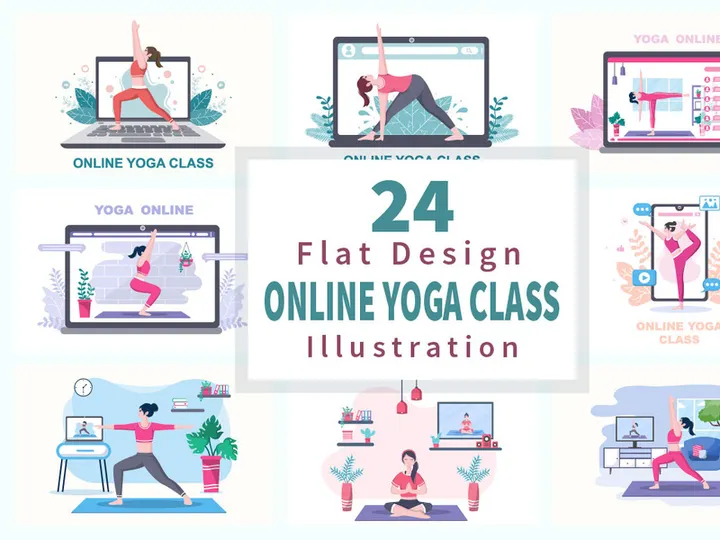
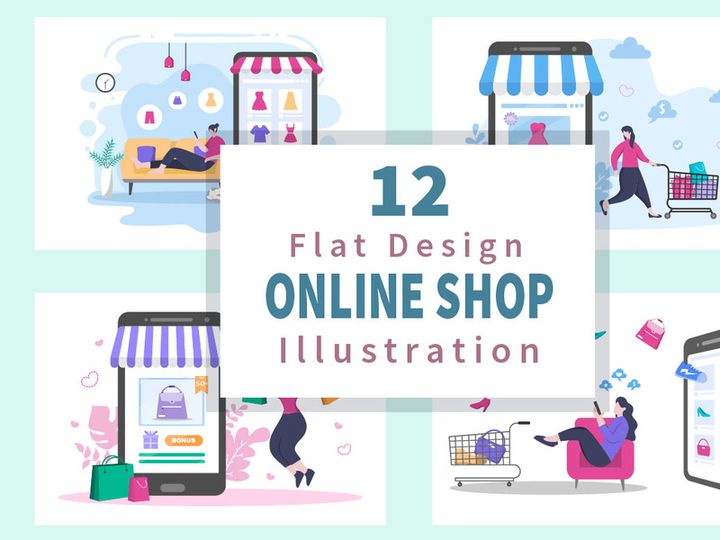
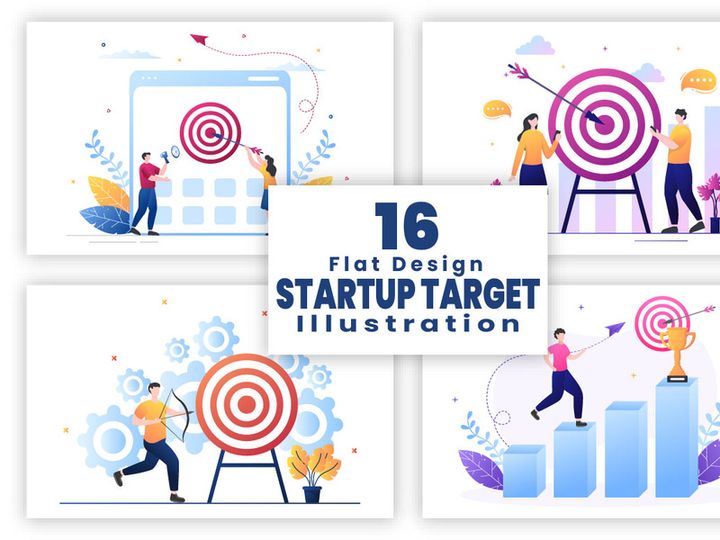
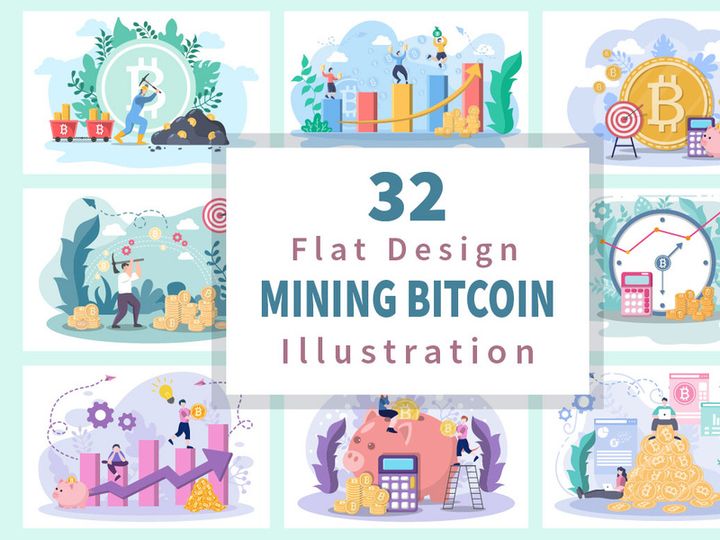
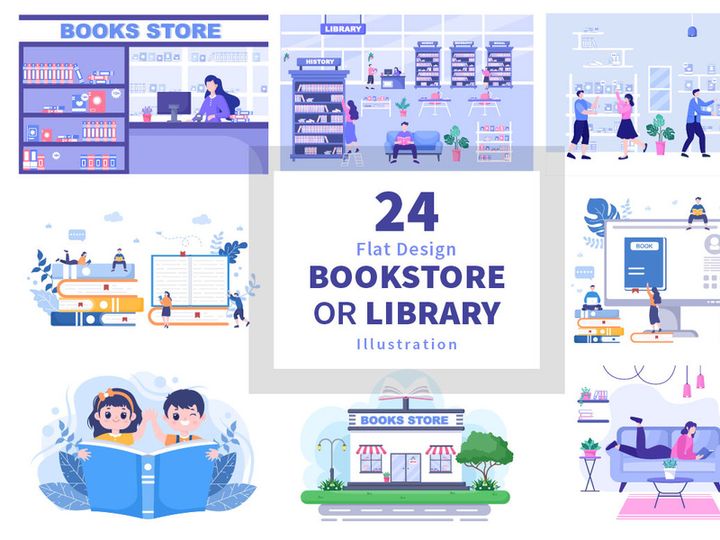


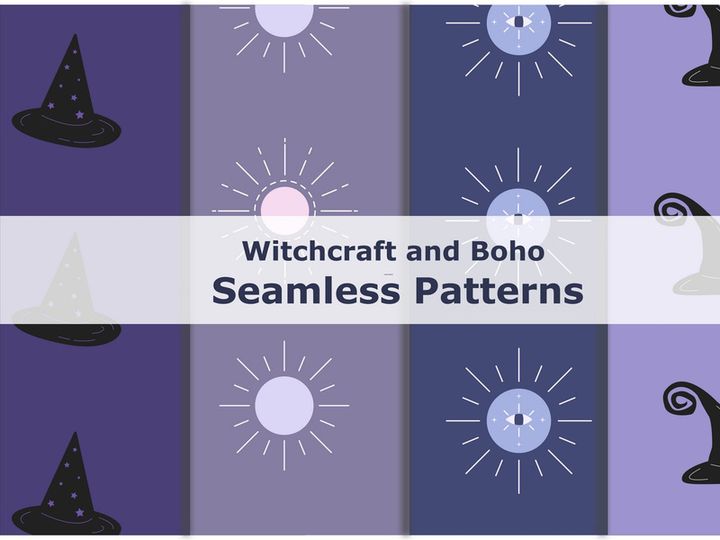

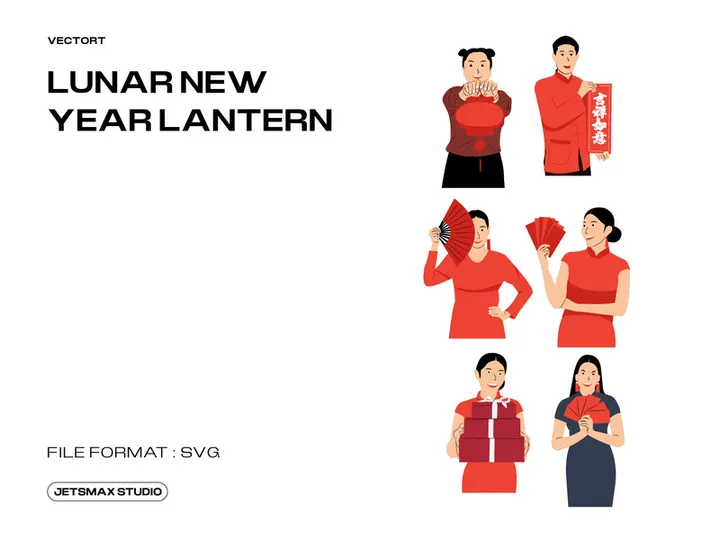


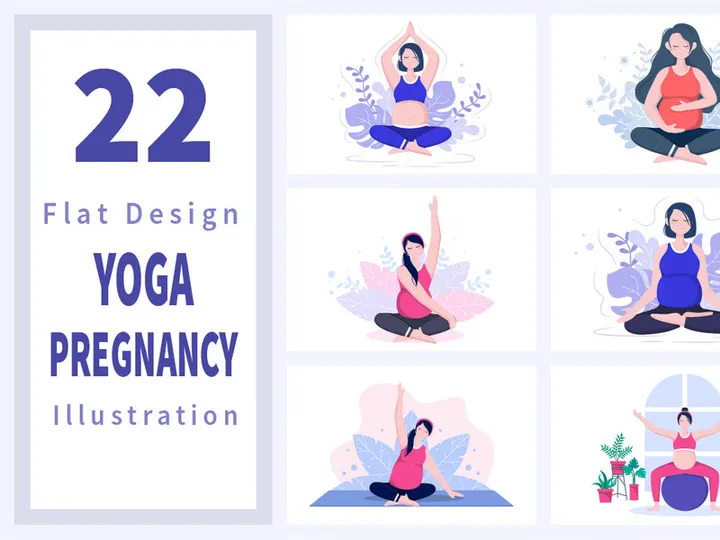

Try Our Free Resources
Download any of these for free - no account required
Flat Design Principles
Flat graphics design is a minimalist approach that emphasizes simplicity, functionality, and clean aesthetics. Unlike skeuomorphic design—which mimics real-world textures, shadows, and depth—flat design strips away embellishments to focus on essential elements: color, typography, and geometric shapes. This design philosophy emerged as a response to the cluttered interfaces of early digital design, offering a streamlined, modern alternative that resonates across platforms and devices.
At its core, flat design is defined by its lack of gradients, shadows, and 3D effects. Instead, it relies on bold, solid colors and crisp lines to create visually engaging compositions. Typography plays a vital role, often favoring clean sans-serif fonts that enhance legibility and complement the uncluttered layout. Spacing is generous, allowing elements to breathe and guide the viewer’s eye naturally through the design. Imagery is simplified, frequently using iconography and vector-based illustrations that convey meaning without distraction.
The roots of flat design can be traced back to early 20th-century movements like Bauhaus and Swiss Design, which championed clarity, functionality, and typographic precision. However, it gained mainstream prominence in the digital era, particularly with Microsoft’s Metro design language in the early 2010s and Apple’s shift to iOS 7. These industry shifts validated flat design as not just a stylistic choice, but a practical necessity in an age of responsive interfaces and mobile-first experiences.
Today, flat design continues to evolve. While early versions were criticized for being too austere or confusing due to the absence of visual cues, modern interpretations—often called "flat 2.0"—introduce subtle shadows, depth, and micro-interactions to improve usability without sacrificing simplicity. This refined approach maintains the core principles of flat design while enhancing user experience. Whether you're designing a website, app, or marketing material, understanding these foundational elements helps you leverage 123+ resources available to create compelling, modern visuals that communicate effectively and elegantly.
Inspiring Flat Graphics Examples
Web & App Design
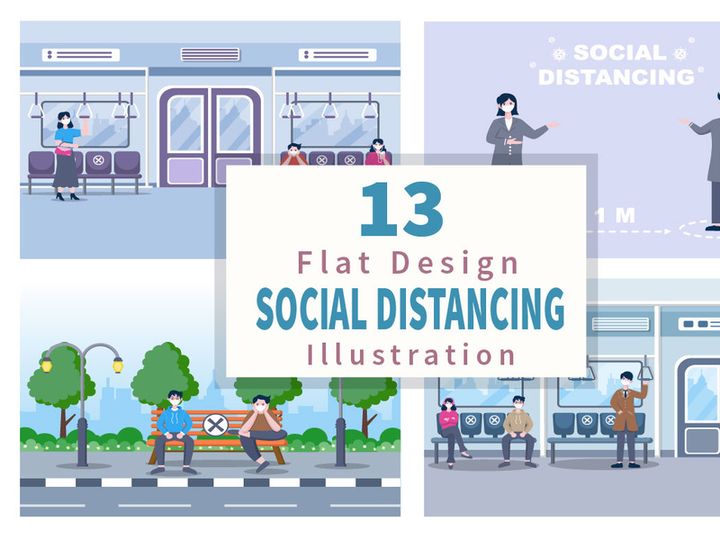
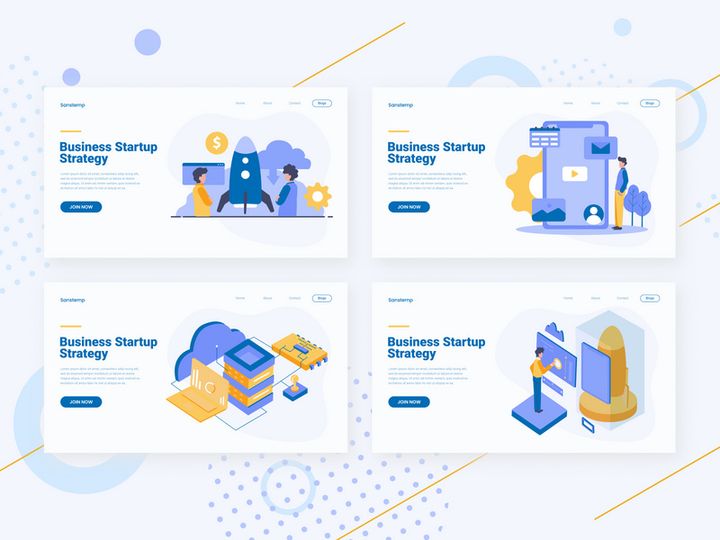
Flat graphics have become a cornerstone of modern web and app interfaces. Their clean, uncluttered appearance enhances usability by reducing cognitive load and improving navigation. Buttons, menus, and icons are simplified into geometric shapes with solid fills, making them instantly recognizable across devices. This minimalist approach ensures fast loading times and consistent performance, especially on mobile platforms. Designers often use flat illustrations and icon sets from sources like EpicPxls to maintain visual coherence while accelerating development. The result is intuitive, responsive interfaces that feel modern and accessible.
Print & Branding
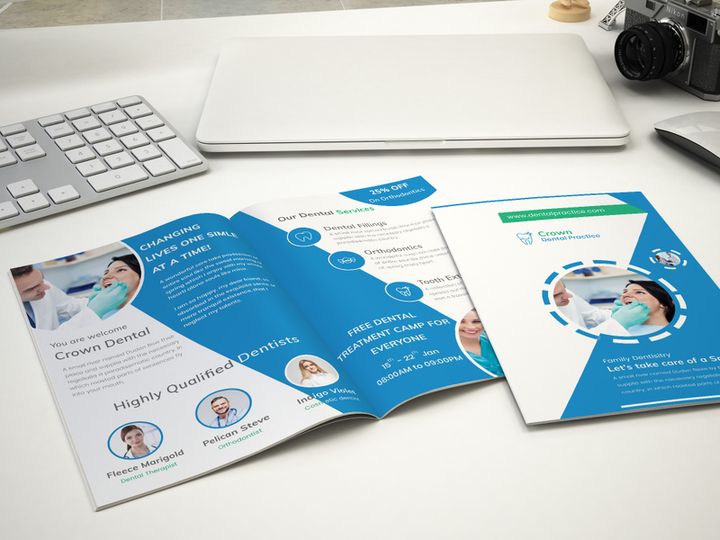
Flat design extends seamlessly into print and brand identity. Logos, business cards, and packaging benefit from the bold colors and clean lines characteristic of flat graphics. Brands aiming for a contemporary, professional image often adopt this style to convey clarity and confidence. Flat design allows for scalability—logos remain sharp at any size, from a favicon to a billboard. When paired with thoughtful typography and a cohesive color scheme, flat elements help establish a strong, memorable brand presence. With access to 123+ resources, designers can quickly assemble cohesive brand kits that maintain consistency across all touchpoints.
Social Media & Marketing
In the fast-paced world of social media, attention spans are short, and visuals must communicate instantly. Flat graphics excel in this environment by delivering clear, impactful messages without visual noise. Infographics, promotional banners, and digital ads created with flat design principles stand out in crowded feeds. The use of vibrant color blocks, simple icons, and legible text ensures high engagement and shareability. Marketers leverage flat templates from collections like those at EpicPxls to produce on-brand content quickly and efficiently. Whether announcing a product launch or sharing a data-driven story, flat design helps brands communicate with precision and style.
How to Apply Flat Style to Your Projects
- Start with a clear purpose. Before selecting any graphics, define the goal of your project. Are you building a website, launching a campaign, or rebranding a business? Knowing your objective helps you choose flat elements that align with your message.
- Explore curated flat graphics libraries. Platforms like EpicPxls offer 123+ resources, including icons, illustrations, UI kits, and templates. Browse by category or theme to find designs that match your vision without starting from scratch.
- Select consistent visual elements. Stick to a unified style—whether it’s monochrome, pastel, or bold primary colors. Avoid mixing flat with skeuomorphic or overly detailed graphics, as this can dilute the aesthetic.
- Customize with intention. Modify colors, resize elements, or rearrange components to suit your needs. Use vector-based tools to ensure scalability. When editing, preserve the flat feel by avoiding gradients, drop shadows, or bevels unless used minimally for usability.
- Pair with compatible typography. Choose clean, sans-serif fonts that complement the simplicity of flat design. Fonts like Montserrat, Open Sans, or Lato enhance readability and reinforce the modern look.
- Test across devices and contexts. Ensure your design remains effective on desktop, tablet, and mobile screens. Verify that colors maintain contrast and elements remain legible in various formats and lighting conditions.
By following these steps and utilizing high-quality flat graphics from trusted sources like EpicPxls, you can create polished, professional designs that resonate with modern audiences.
Flat Pairing Guide
Complementary Styles
While flat design stands strong on its own, it pairs exceptionally well with certain design approaches. Minimalism is a natural companion, amplifying the focus on essential elements. Geometric patterns and grid-based layouts enhance structure without overwhelming the viewer. For a touch of depth, consider incorporating subtle flat 2.0 techniques—light shadows or soft highlights—that improve hierarchy while preserving simplicity. Flat graphics also integrate smoothly with line art and duotone imagery, creating dynamic contrast. When used thoughtfully, these pairings enrich the design without straying from the core flat aesthetic.
Typography Choices
Typography is a critical partner to flat graphics. Opt for sans-serif fonts with clean lines and balanced proportions. Montserrat offers a modern, geometric feel ideal for headings, while Open Sans and Roboto provide excellent readability for body text. For a more distinctive look, consider Poppins or Rubik, which combine friendliness with professionalism. Avoid ornate or serif fonts unless used sparingly for contrast. Consistency in font weight and spacing helps maintain the clean, organized appearance flat design demands. When in doubt, less is more—stick to one or two typefaces across your project.
Color Palettes
Color is the heartbeat of flat design. Bold, saturated hues are often used to create visual interest and guide user attention. Popular palettes include bright primaries, pastel combinations, and monochromatic schemes. Consider using complementary colors to highlight calls to action, or analogous tones for a harmonious flow. Tools like color wheel generators can help you build balanced combinations. Limit your palette to 3–5 core colors to avoid visual clutter. For accessibility, ensure sufficient contrast between text and background. With 123+ resources at your disposal, you can find pre-designed color themes that match your brand or project tone, saving time and ensuring professional results.
Flat Graphics Trends in 2026
As we move into 2026, flat graphics design continues to evolve while staying true to its minimalist roots. The trend has matured beyond its stark early iterations, embracing subtle enhancements that improve usability without sacrificing style. One notable shift is the rise of "soft flat" design—incorporating gentle gradients, minimal shadows, and micro-animations to add depth and interactivity. These refinements help users distinguish interactive elements like buttons or cards, addressing earlier criticisms about flat design’s lack of visual cues.
Another key trend is the integration of flat design with immersive digital experiences. In web and app development, flat graphics are being used in conjunction with responsive layouts and AI-driven personalization to create clean, adaptive interfaces. Designers are also blending flat elements with abstract shapes and bold patterns, resulting in compositions that feel both modern and artistic. In branding, flat design is being adopted by startups and legacy companies alike to project innovation and clarity in a visually saturated market.
Looking ahead, flat graphics are becoming more dynamic and context-aware. With the growth of AR, VR, and wearable tech, flat design principles are being applied to new interfaces where simplicity and speed are paramount. Designers are leveraging scalable vector assets from sources like EpicPxls to ensure consistency across platforms. As technology advances, the demand for clean, efficient visuals will only grow—making flat design not just a trend, but a lasting design language. Whether you're crafting a mobile app, a social campaign, or a full brand identity, the 123+ resources available today provide the tools to stay ahead of the curve with confidence and creativity.
Why Download from EpicPxls?
Commercial License
Use in personal and commercial projects
No Account Required
Download free resources instantly
Quality Curated
Every resource is reviewed for quality
Preview Files
See Figma and Photoshop files before downloading
Who Uses These Graphics?
Professionals and teams who benefit most from our collection
UI/UX Designers
Speed up your workflow with ready-to-use graphics for design tools. Perfect for prototyping and client presentations.
Developers
Get production-ready assets without design skills. Export in any format for web and mobile apps.
Startups & Agencies
Save design budget with affordable premium graphics. Commercial license included for client work.
Marketing Teams
Create professional campaigns faster. All graphics are optimized for social media and ads.
Graphics FAQCommon questions about these resources
Simple, Transparent Pricing
Get unlimited access to all premium resources
Yearly
- 20 downloads per month
- All file formats
- Commercial license
Lifetime
- Unlimited downloads forever
- All file formats
- Commercial license
Ready to Get Started?
Access 4,441+ free design resources today.
Browse Free ResourcesView Premium PlansEarn 85% and
more on all sales
Upload your products and put them up
for sale at whatever price you want.


